October 28, 2026
Jud Smith
TL;DR:
For most homes that see frequent storms, a 6-inch gutter system paired with larger downspouts is best for heavy rain. Roof size, pitch, rainfall intensity, and downspout capacity decide whether a standard 5-inch gutter is enough.
Water sheets over the front of your gutters every time a storm hits. It splashes the siding, digs into the landscaping, and soaks the ground next to the house. That overflow is a sizing problem, and if left alone, it becomes water damage.
Heavy downpours are getting heavier. Climate Central found that hourly rainfall rates in 129 U.S. cities are now 15% higher on average than they were five decades ago. Gutters sized long ago were never built for that much water at once.
The best gutter size for heavy rain depends on how much water your roof collects and how fast the downspouts move it. For many homes, the answer is 6k rain gutters, which carry noticeably more water than a standard 5-inch gutter system. This guide shows when the upgrade pays off.
In this post, you will learn:
- How 5-inch and 6-inch gutters compare in heavy rain
- Which roof and downspout factors decide the right size
- How aluminum, copper, steel, and vinyl hold up in storms
- When higher-capacity box gutters make sense for larger roofs
Quick Answer: Most homeowners with frequent overflow need a larger gutter, more downspouts, or both. A 6-inch gutter holds more water before it spills over the edge.
The Best Gutter Size for Heavy Rain
A 6-inch gutter is the best option for most homes that see heavy rain regularly. It holds more water than a 5-inch gutter and drains into larger downspouts, so storms are less likely to push water over the edge.
A 5-inch gutter still works fine on many smaller roofs with a gentle pitch. The gutter width matters less than whether the whole system, gutter and downspouts together, can keep up with the storm.
The common sizes and styles compare like this:
| Size and style | Relative capacity | Best fit |
| 5-inch K-style gutter | Standard | Smaller roofs with a gentle pitch |
| 6-inch K-style gutter | Higher | Larger or steeper roofs and frequent heavy rain |
| 6-inch half round gutter | Moderate | Traditional homes where style matters |
| 6-inch box gutter | Highest | Large roofs and commercial buildings |
Capacity is only part of the picture, since the downspouts set how fast that water leaves the gutter.
5-Inch vs. 6-Inch Rain Gutters
Many homeowners have 5-inch rain gutters because they were typically the builder’s standard. The 6-inch size is wider and deeper, so it carries more water and pairs with larger downspouts. That extra room matters most on long runs.
K Style vs. Half-Round Profiles
K-style gutters have a flat back and a decorative front, and their shape holds more water than a round trough of the same width. Half-round gutters suit traditional homes, though they carry less at the same size. For heavy rain, a 6-inch K-style gutter is usually the practical choice.
Pro Tip: If your roof is large or steep, size up the downspouts along with the gutter. A wider gutter with small outlets can still back up in a heavy storm.

What Affects Gutter Sizing
Four things set the size a gutter system needs: roof area, roof pitch, rainfall intensity, and downspout capacity. The main factor is how much rainwater each run collects in the hardest part of a storm. To find the best gutter size for heavy rain, check all four.
Roof Area and Pitch
A bigger roof collects more water, and a steeper slope sends it to the gutter faster. Fast water can shoot past the front, which is why steep rooflines often need a wider gutter. Valleys where two roof planes meet are prone to overflow at one point.
Rainfall Intensity During Heavy Rain
Total rainfall matters less than how much falls in a short burst. During record October storms, Salt Lake City International Airport recorded 2.74 inches in one day. A gutter system sized for light, steady rain can overflow quickly in a storm like that.
Utah homes also handle spring snowmelt, which feeds the gutters for hours after a storm passes. Water flow from a melting roof is slower but steady, and it finds every weak seam. A larger gutter gives that water more room to move.
Downspout Capacity
Outlets decide how fast water leaves the gutter. A common guideline is one outlet for every 30 to 40 feet of gutter, with larger 3×4 outlets on 6-inch systems. Each outlet should empty onto ground that slopes away from the house so drainage keeps working.
Sizing Check: Watch the gutters during the next hard rain. Water spilling over the front at one spot points to a capacity problem on that run.
Choosing the Right Gutter Materials
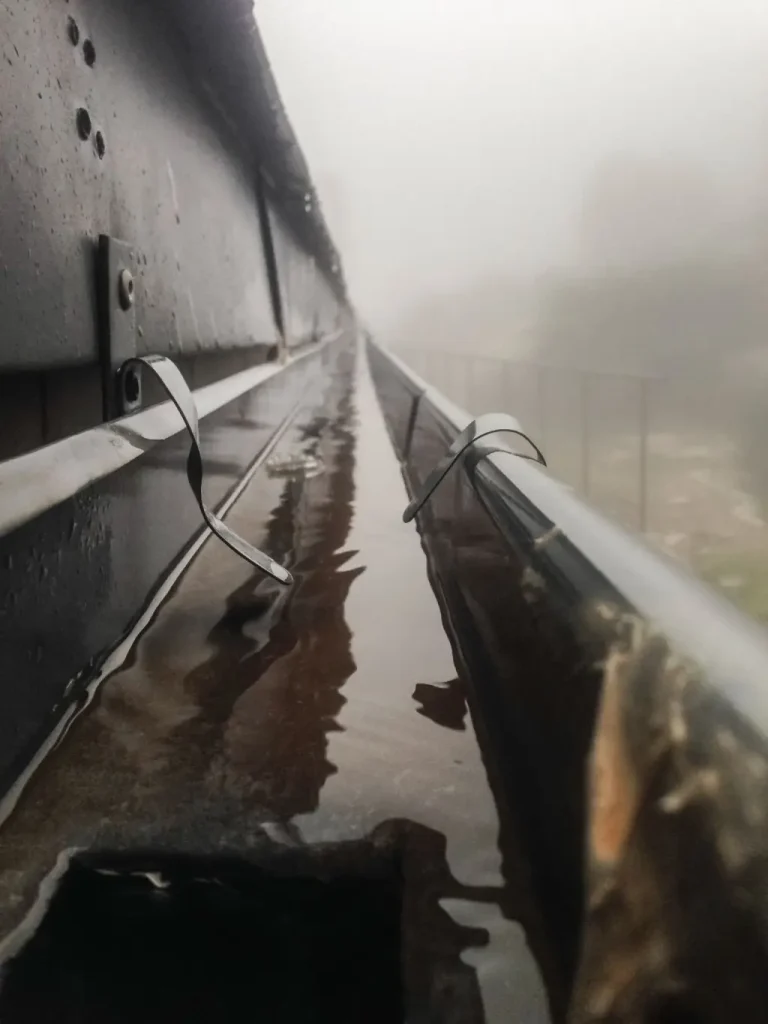
Gutter materials affect how well a gutter system holds its shape under the weight of water and ice. Metal gutters hold up best in Utah, where the same run sees summer storms and winter freezes. On a metal roof, matching the gutter material also prevents corrosion.
Aluminum Gutters
Aluminum gutters are the most common choice, and their cost-effectiveness is hard to beat. Aluminum will not rust and is light enough to install on almost any fascia. A thicker gauge stays sturdy under heavy runoff, which makes 6-inch aluminum the standard upgrade for storm-prone homes.
Copper Gutters and Galvanized Steel
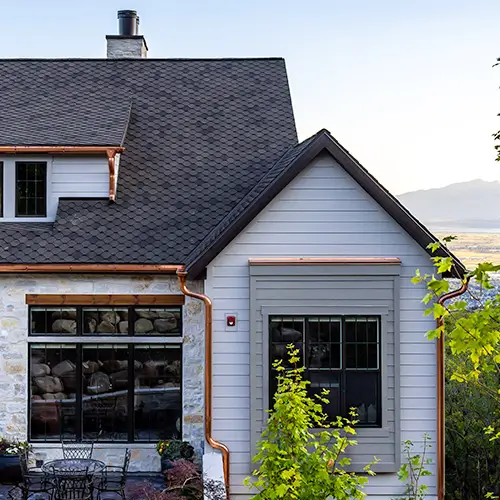
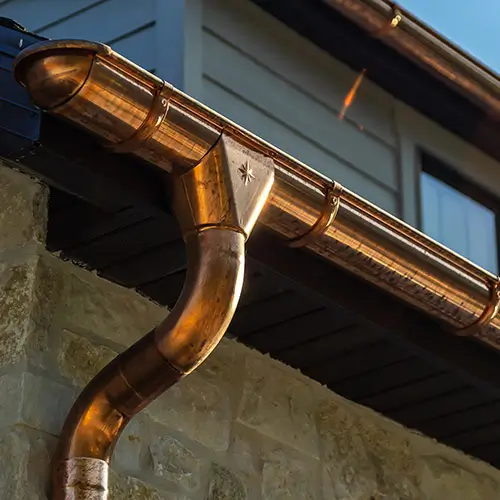
Copper gutters last for decades and develop a patina over time, which makes them a long-term investment. Copper also comes in a half-round profile that suits traditional homes.
Galvanized steel is stronger than aluminum and can withstand impacts from falling ice. Its coating wears over the years, and the steel starts to rust once it does. Both metals cost more to install than aluminum.
Vinyl Gutters
Vinyl gutters cost the least, but they are the weakest choice for heavy storms. Vinyl turns brittle in cold weather, and long runs sag when they fill with water or snow. In Utah, vinyl tends to crack at the joints after a few winters.
Material Match: Choose the material for the climate first and the look second. Where storms are hard and nights freeze, sturdy aluminum or steel outlasts vinyl.
Why Seamless Gutters Handle Heavy Storms Better
Seamless gutters are formed on site from one continuous piece, so a long run has no joints except at the corners. Sectional gutters have seams every 10 feet or so, and each seam is a spot where leaks can start under heavy loads.
Fewer seams also means less gutter damage over time, since water and debris catch at every joint. On the rest of the house, that means less staining on the fascia and less rot in the wood behind it.
Hangers and Slope
Gutter hangers hold the weight of a full gutter, so a 6-inch system needs them spaced closer, about every 2 feet in snow country. Crews install them into solid framing so they stay sturdy. Loose hangers lead to sagging sections.
Even a seamless run needs a slight slope toward each outlet, about ¼ inch for every 10 feet. Without it, pooling water sits in low spots and leaks out at the seams. Proper drainage depends on slope and hangers working together through a careful installation.
Watch Out: Drips along the house at the same joint after every storm mean a seam has failed. Resealing buys a season or two, and a seamless run ends the problem.

Getting Gutter Installation Right for Your Home
Even the best gutter size for heavy rain only works if the whole gutter system goes up correctly. A professional gutter installation matches the gutter and outlets to your roof, then sets the slope and seals every corner. That is what helps protect the house when a big storm hits.
A few tips for getting it right:
- Measure before you size: A good installer measures the area and pitch of every roof section rather than guessing from the old gutters.
- Size the outlets with the gutter: Larger 3×4 outlets, and enough of them, keep a 6-inch gutter from backing up.
- Ask about materials and gauge: Thicker material resists dents from branches and falling ice.
- Plan repairs and upgrades together: If part of the system needs repair, upgrading the size at the same time saves a second visit.
Fall is a good time to install new gutters, before winter storms and spring runoff test them. Most installers offer a free estimate, so finding out whether your current gutters are big enough costs nothing.
Good to Know: Upgrading from 5-inch to 6-inch gutters usually means new hangers and larger outlets, too. Ask for the full system in one quote.
Size Your Gutters for the Storms Utah Gets
The best gutter size for heavy rain matches your roof and your local storms. For most Utah homes, that means 6-inch gutters with larger outlets. Done right, it’s an investment that protects your home for decades.
Since 1998, our team at Ace Gutter has sized and installed seamless systems for homes and businesses across Utah. We measure every roof before recommending a size, so you get the capacity you need.
Request a quote from us today. We’ll review how your current gutters handle storms and show you whether an upgrade makes sense. If your 5-inch system is working, we will tell you that too.
Frequently Asked Questions About Gutters for Heavy Rain
Are 6-Inch Gutters for Heavy Rain Worth the Upgrade?
For most homes with regular overflow, yes. A 6-inch gutter holds more water and works with larger outlets, so it keeps up in storms that swamp a 5-inch run. If your gutters rarely spill over, 5-inch gutters are probably fine.
What Are the Best Gutters for Heavy Runoff on a Steep Roof?
A wide 6-inch K-style or box gutter catches fast runoff before it overshoots the front. Outlets placed near valleys handle the spots where water concentrates. On very steep pitches, a splash guard at the corners keeps water in the trough.
Can I Upgrade Part of My Gutter System?
Yes, but mixing sizes on one run can cause problems at the joints. The usual approach is to upgrade the full run on the roof sections that overflow most. A crew will look at the whole gutter system before recommending a partial change.
Do Gutter Guards Help in Heavy Storms?
Guards keep leaves and debris out, which prevents the clogs that cause overflow. Homes surrounded by trees benefit the most. A guard will not fix a gutter that is too small for the roof.
Do Bigger Gutters Hurt Curb Appeal?
Not usually. A 6-inch K-style gutter looks close to a 5-inch from the street, especially when color-matched to the fascia. Half-round and copper options add curb appeal on older homes with classic trim.

Need Help? Get a free assessment
Get a call back within 1 hour
(During business hours).
Recent Posts

Share
Recent Posts
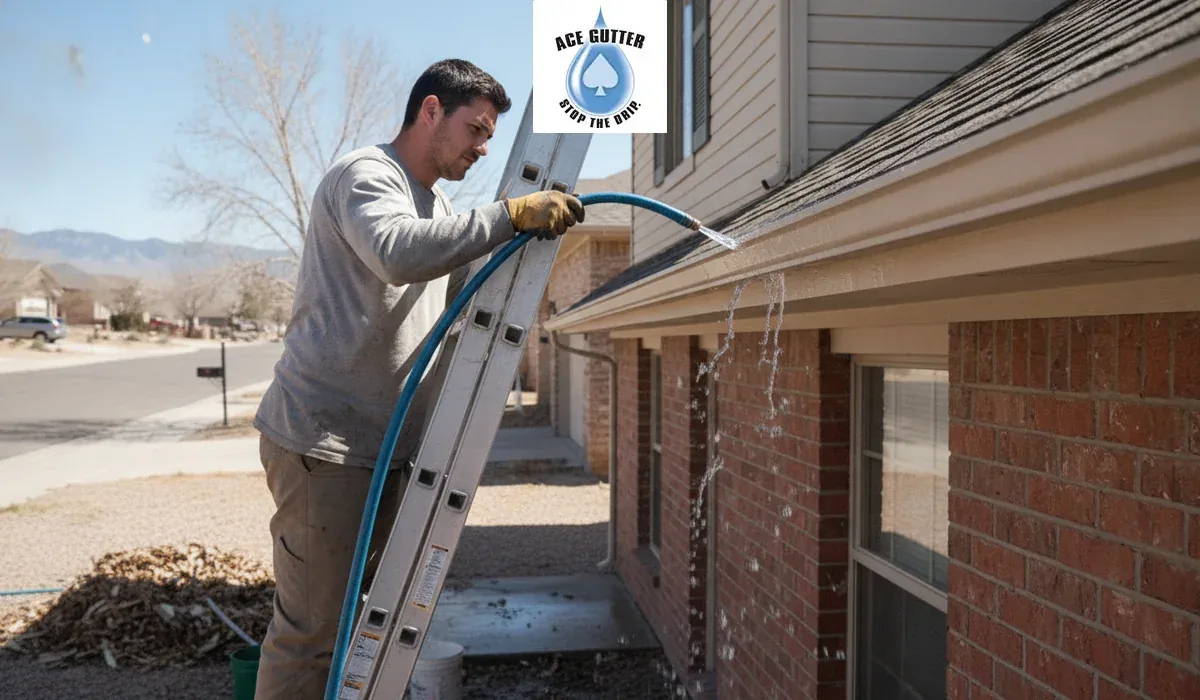
How Freeze-Thaw Cycles Can Damage Utah Gutter Systems
November 10, 2026
TL;DR: when this happens, water melts by day and refreezes at night, expanding inside seams and downspouts until something gives. Keeping gutters clear...
Heavy Snow and Ice Are Coming: 7 Gutter Problems to Fix Before Utah Winter
November 4, 2026
TL;DR: Winter gutter problems in Utah usually come down to clogs, ice dams, standing water, and loose sections. Snow weight and freeze-thaw cycles...
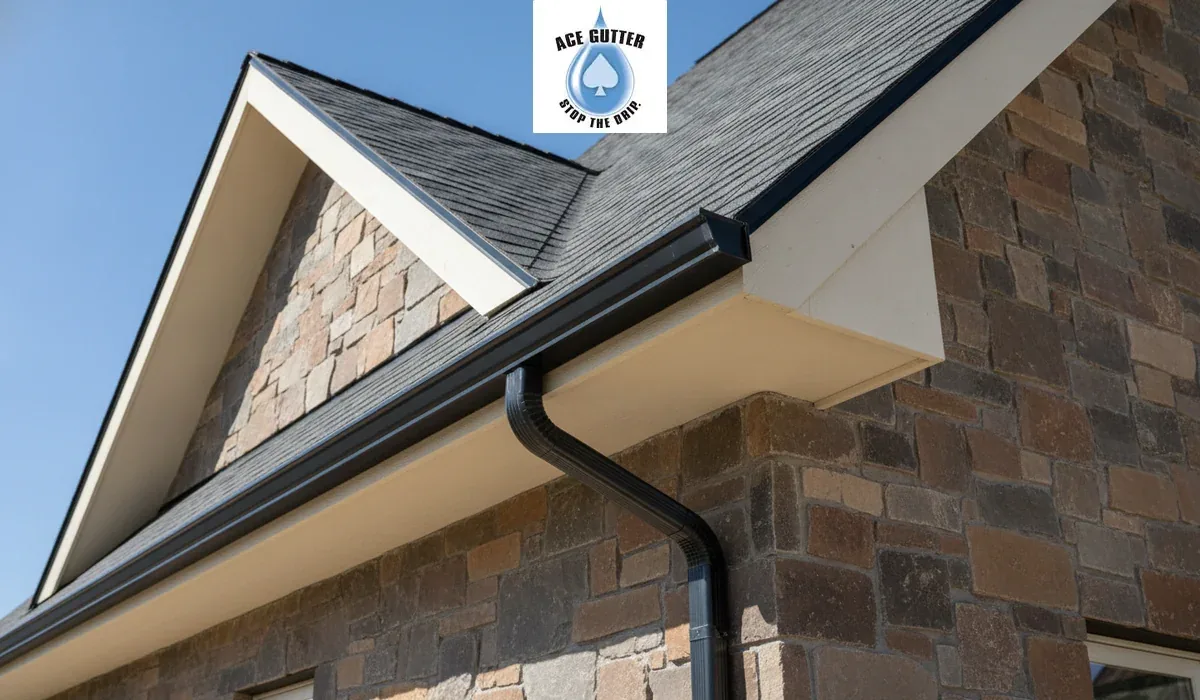
What Gutter Size Is Best for Handling Heavy Rain?
October 28, 2026
TL;DR: For most homes that see frequent storms, a 6-inch gutter system paired with larger downspouts is best for heavy rain. Roof size,...