October 22, 2026
Jud Smith
TL;DR:
Roof heating cable installation cost depends on how many feet of cable your roof edges and gutters need, plus the electrical work to power it. Running costs stay modest in Utah because the cable runs only during snow and freezing weather.
very winter, the same icicles hang off the same corner of your roof, and water stains show up on the ceiling below. That pattern points to ice dams, and a heat cable system is one of the most direct ways to stop them at the roof edge.
Before you add cable, it helps to know what it will cost to run. U.S. residential electricity rates rose 26.7% in four years, so the power bill matters as much as the installation cost.
Roof heating cable installation cost depends on cable length and the electrical work needed to power it. This guide explains both sides of the cost and when an Ice Melt System makes sense for your home. It also covers the cheaper fix that sometimes works better.
In this post, you will learn:
- What a heat cable system does and where it runs
- What drives the installation price, from length to wiring
- How to estimate running costs with your own electric rate
- When to schedule installation before the first storm
Quick Take: Heat cable keeps a channel open so meltwater drains off the roof. It manages ice dams, and fixing attic heat loss keeps them from forming in the first place.
What a Heat Cable System Does
A heat cable system uses low-wattage electric cable to keep ice from sealing off the roof edge and the gutters below it. The cable warms a narrow path, so melting snow keeps moving instead of refreezing at the eave.
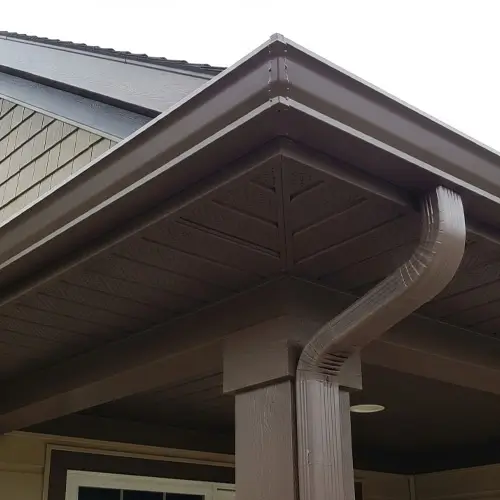
That ice-free channel carries water to the gutters, where more heat cable keeps it moving through freezing nights. Downspouts need cable too, since a frozen downspout backs ice up the whole run. That is where downspout problems often start.
Where the Cable Runs
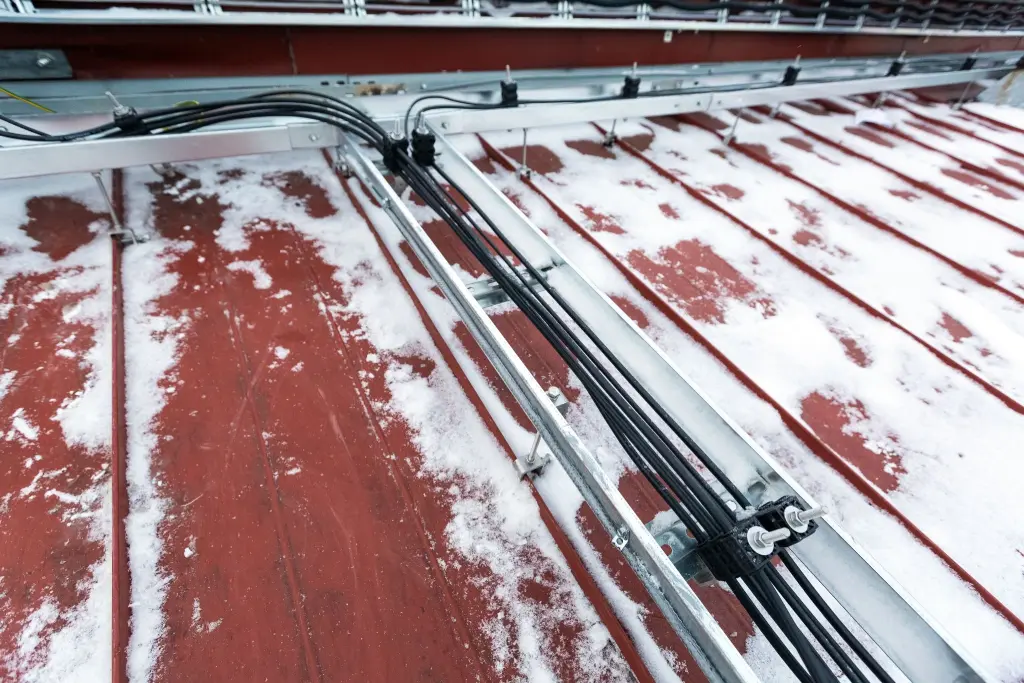
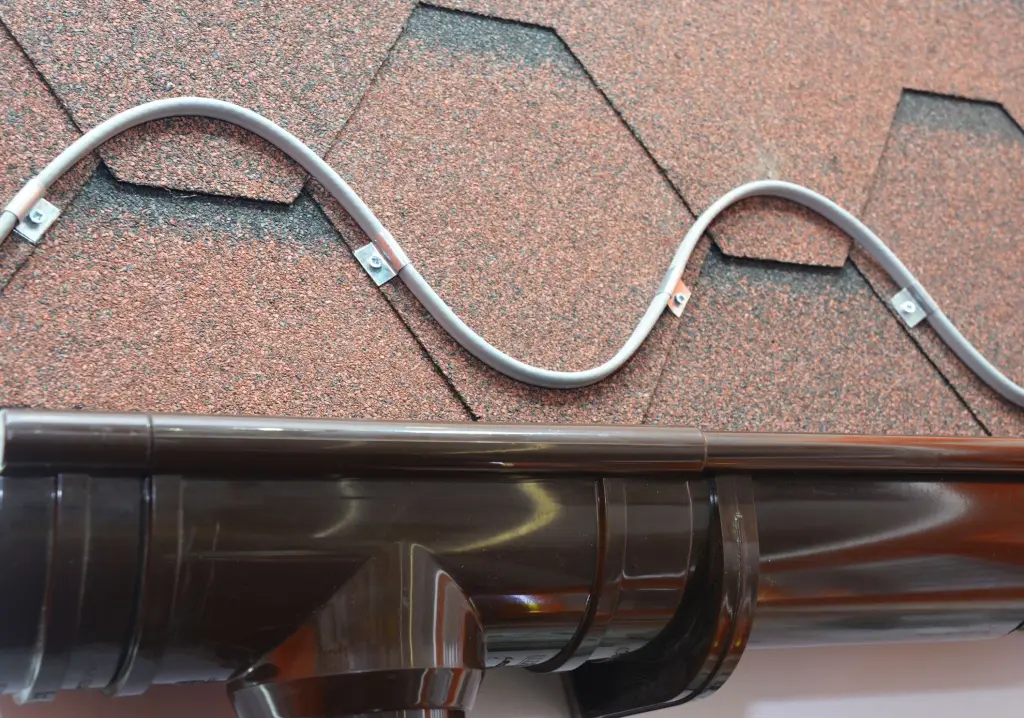
Installers lay the cable in a zigzag along the roof edge and secure it with clips. The loops reach up past the eaves to the spot above the outside wall, where ice dams typically form. From there, the cable runs along the bottom of each gutter and down each downspout, with a short loop at the end.
Valleys get their own heat cable run, since snow and water collect there first. Getting cable into the right place matters more than the brand or the total length.
How It Works: The cable’s steady heat keeps a path open along the roof edge, gutters, and downspouts. Meltwater runs off through that path before it freezes.
Roof Heating Cable Installation Cost
Roof heating cable installation cost depends on how much cable the roof needs and how hard the roof is to work on. A single-story roof with easy access takes less labor than a steep two-story roof with several valleys.
Every installation also needs power. In addition to the cable, the job may include a new outdoor outlet or a dedicated circuit. Each of these moves the price, which is why an honest quote starts with a look at the roof.
The main factors that set the price:
| Cost factor | What it covers | How it moves the price |
| Cable length | Roof edges, valleys, gutters, and downspouts | More feet of cable means more material and labor |
| Roof access | Pitch and height | Steep or tall roofs take longer and need more safety gear |
| Power supply | New outlet or dedicated circuit | New electrical work adds to the installation |
| Cable type and controls | Self-regulating cable and controllers | Better controls cost more up front and less to run |
Two homes with the same footprint can end up with very different bids once these factors add up.
Measuring the Length
Measuring starts at the roof edges, then adds the zigzag loops, the gutter runs, and each downspout. Installers find the total by walking the roof, since the zigzag uses far more cable than the straight footage of the eaves suggests.
Plug-In vs. Hardwired Heat Cable
A plug-in heat cable runs from an outdoor outlet and suits a short run to a single problem spot. Larger systems are typically hardwired to a dedicated circuit, which takes an electrician and adds to the installation price. Either way, the cable should be installed to code on a protected circuit.
Before You Get a Bid: Mark the spots where ice dams formed last winter and note where your outdoor outlets are. That gives the installer what they need to price the job accurately.
Roof Heating Cable Operating Cost
Utah’s average residential electricity rate runs 28% below the national average, which keeps heat cable operating costs affordable. Operating cost depends on the heat cable’s wattage and how many hours it runs.
Self-regulating heat cable draws more power when the roof is cold and wet, and less as it warms up. That makes it cheaper to run than constant-wattage cable, which puts out the same heat no matter the temperature.
A Running Cost Example
Take a home with 100 feet of heat cable rated at 5 watts per foot. That draws 500 watts, or half a kilowatt, for every hour it runs. At 13 cents per kilowatt-hour, close to Utah’s current average, running it 10 hours a day costs about 65 cents a day.
Over a couple of months of snowy weather, that comes to about $40. Note that this is only an example, so plug in your own cable length and the wattage from the product label.
Controls That Lower Electricity Cost
A manual switch leaves the heat cable on until someone turns it off. A thermostat switches it on when the temperature nears freezing, and a moisture sensor limits it to times when snow or ice is present.
Those controls cut the time the system spends running. That is the biggest lever for roof-heating cable electricity costs.
Money Saver: Turn the system off at the end of the season, and switch it back on before the first storm. A cable left running through spring wastes power every day.
Heat Cable vs. Fixing Ice Dams at the Source
Ice dams start with heat leaking into the attic. Warm air from the home rises into the attic area and warms the roof deck, melting snow from underneath. That meltwater runs down to the cold eaves and freezes into ice, trapping more water behind it.
Heat cable keeps water moving, but it leaves the heat loss above the ceiling untouched. Air sealing and attic insulation fix the cause, and in some cases they stop ice dams on their own.
The best approach is often both: seal the attic first, then run heat cable on the spots on the roof that still ice up.
The two approaches compare like this:
| Heat cable | Air sealing and insulation | |
| What it fixes | The symptom, by keeping water draining | The cause, by keeping heat from reaching the roof |
| Where it works | Roof edges, valleys, gutters, and downspouts | The attic and ceiling |
| Running cost | Electricity every time it runs | None once the work is done |
| Best for | Problem spots that ice up every winter | Ice dams along the whole roof edge |
The right mix depends on where the ice forms and how much heat the attic is losing.
Worth Checking: If ice dams show up along the whole roof edge every winter, have the attic checked before installing cable. A few hours of air sealing may shrink the run of heat cable you need.

When Professional Installation Makes Sense
A short plug-in cable over one problem spot is a reasonable DIY job. A complete system across the roof edges and gutters is a different kind of project, and professional installation pays off there. The work happens on ladders in winter conditions, and the electrical side has to meet code.
A good installer will handle a few things a homeowner may not think to check:
- Placement over the outside wall: Installers lay the cable up past the point above the outside wall. Cable installed too low leaves ice forming above it.
- The right clips for your roof: Clips matched to the shingle or metal panel hold the cable in place without damaging the surface.
- Clean gutters first: Debris left in the gutters traps water and buries the cable, so clean the gutters before the cable goes in.
- Wiring and controls: A dedicated circuit and a thermostat keep the system safe and limit run time.
Ask each installer to mention how many feet of cable they plan to use and where it will run. A written plan that includes the electrical work makes it easy to compare roof heating cable installation costs from one quote to the next.
Good Timing: Installation is easiest in the fall, before snow covers the roof. Systems installed early are tested and ready when the first storm arrives.
Keep Your Roof Edges Clear This Winter
Roof heating cable installation cost is easier to plan once you know how much cable your roof needs. Utah’s low electricity rates keep running costs small, so the bigger decision is getting the installation right.
Our team at Ace Gutter has handled gutters and ice melt systems across Utah since 1998. We plan each system around where ice actually forms on your roof.
Request a quote from us today. We will measure the cable runs on your roof and give you a free quote that covers the full installation. If your attic is the real problem, we will point that out first.
Frequently Asked Questions About Roof Heating Cable Cost
What Is the Roof Heating Cable Electricity Cost per Month?
The answer depends on cable length and how long it runs. With a thermostat or sensor, most systems only run a couple of hours on stormy days, which keeps the monthly bill low. Plug your own numbers into the example above for a closer estimate.
Do Heat Cables Need to Run All Winter?
No. They only need to run when a few inches of snow sit on the roof and melting snow is moving toward the eaves. A thermostat or moisture sensor turns the system on and off to keep the edge ice-free.
Can I Install Heat Cable Myself?
Small plug-in kits are sold for DIY use, and they work if you buy a roof-rated model and follow the instructions exactly. A hardwired system needs an electrician. Either way, working on an icy roof edge takes real care.
How Long Does a Heat Cable System Last?
Quality self-regulating cable can last many years when installed correctly, and proper installation is the biggest factor in its lifespan. Early failures usually come from roof rakes and loose clips that let the cable rub. Even cable only a few years old should be tested each fall.
Does Heat Cable Damage Shingles?
Not when it is installed with the right clips. Clips hold the cable in place on the shingles without nails through the roof surface. Problems start when the cable is nailed down or pulled tight across shingles in cold weather.

Need Help? Get a free assessment
Get a call back within 1 hour
(During business hours).
Recent Posts
Share
Recent Posts

Roof Heating Cable Installation and Running Costs
October 22, 2026
TL;DR: Roof heating cable installation cost depends on how many feet of cable your roof edges and gutters need, plus the electrical work...

Is Your Gutter System Ready for an El Niño Winter in Utah?
October 14, 2026
TL;DR: A very strong El Niño is forecast for the 2026-27 Utah winter, bringing warmer temperatures and more freeze-thaw cycles, not guaranteed snow....
How Well-Maintained Gutters Can Increase Your Home’s Value
October 13, 2026
TL;DR: Well-maintained gutters help preserve your home’s value by directing water away from the roof, siding, foundation, and landscaping. Regular cleaning, timely repairs,...