July 6, 2026
Jud Smith
Winters along the Wasatch Front and throughout Utah are nothing short of spectacular, bringing world-class powder to our mountains and scenic snowscapes to our neighborhoods. However, for Utah homeowners, that heavy snowfall also brings a less welcome seasonal visitor: ice dams.
When snow accumulates on your roof, destructive cycle begins. Heat escaping from your home melts the bottom layer of snow, causing water to trickle down toward your roof’s edge. Once it reaches the cold, uninsulated eaves and gutters, it refreezes.
This creates a solid block of ice known as an ice dam that prevents future meltwater from draining safely away. Instead, the trapped water backs up under your shingles, seeping into your attic, ruining insulation, rotting exterior wood, and warping interior drywall. Worse yet, the immense weight of these ice blocks can completely rip rain gutters right off your home.
According to Home Advisor, ice dam removal can cost up to $2,000.
To prevent this winter nightmare, many homeowners turn to automated roof ice melt system options. But when is the best time to invest in a residential ice melt system?
While it is easy to forget about winter weather during the sunny summer or breezy spring months, proactive timing is the secret to protecting your home efficiently, safely, and on a budget.
In this blog, we’ll cover:
- The best time to install ice melt systems for roofs
- How to choose the best roof ice melt system for your property
- The costly pitfalls of waiting until winter for roof ice melt system installation
- How working with an experienced professional will protect your home
The Ultimate Installation Window: Late Summer to Early Fall
If you want the short answer, the absolute best time to plan your roof ice melt system installation on your Utah home is between late August and late October, way before there is any melting snow.
During this late-summer to early-fall window, the weather conditions are optimal, exterior construction businesses have flexible schedules, and your home is under zero immediate threat from winter weather challenges. Planning ahead during these months allows you to tackle the building project calmly and systematically so your home is fully winterized before the first flakes fall.
Let’s look at the specific reasons why late summer and early fall reign supreme for scheduling your installation with a professional team.
The Benefits of Early Seasonal Timing for Ice Melt Systems for Roofs
1. Safer and Easier Installation Conditions
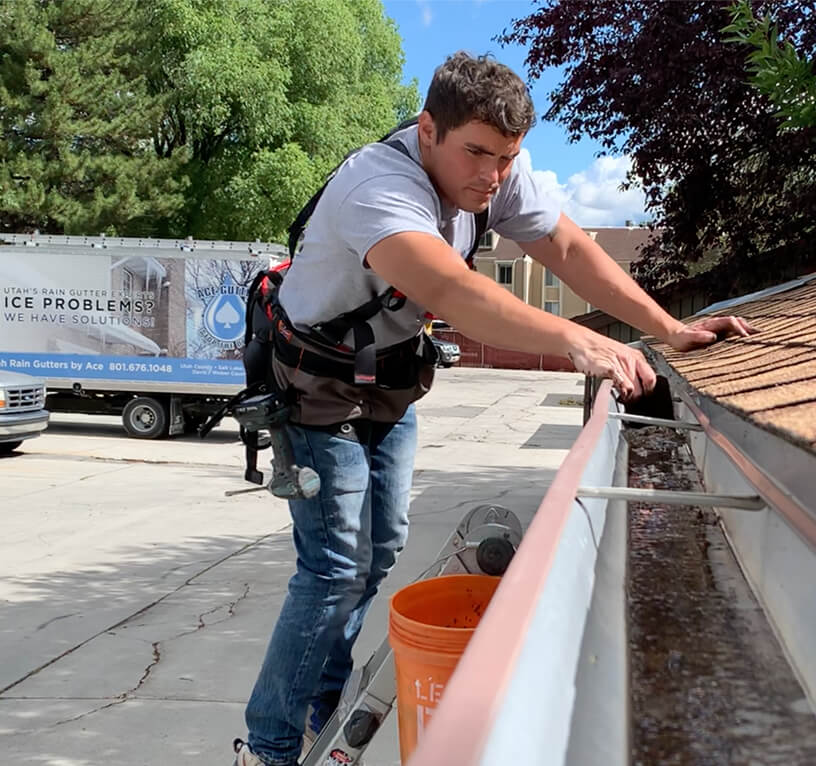
Installing heat cables or heated roof panels requires professional technicians to spend hours working on your roofline, navigating high peaks, roof valleys, and gutter networks.
When a roof ice melt system is set up in the late summer or early autumn, the roof surfaces are dry and (ideally) free of debris. Technicians can walk safely, accurately map out trouble areas, and securely fasten the hardware. Attempting a retrofitted installation once the temperature drops means working around morning frost, slick roofs, or frozen gutters—all conditions that slow progress and introduce unnecessary safety risks.
2. Maximum Flexibility with Contractor Scheduling
Exterior home improvement companies experience a massive surge in service calls the moment the first major blizzard hits Utah. Suddenly, hundreds of homeowners realize they have unresolved gutter clogs or old ice dam vulnerabilities, causing local phone lines to ring off the hook.
By booking your assessment and installation in August, September, or October, you beat the winter rush. You will enjoy faster response times, highly flexible scheduling options that align with your personal calendar, and the undivided attention of expert technicians who can help you design the best roof ice melt system layout for your property.
3. Time for Custom Engineering and Material Selection
Not all residential ice melt system products are identical. Depending on your home’s architecture, altitude, and historical weather patterns, a cookie-cutter solution won’t cut it. Booking early provides ample time for a thorough consultation to choose the ideal components for your property:
Heat Trace Cables (Zigzag Heat Tape)
This is an incredibly popular, cost-effective, and highly flexible solution recommended for most Northern Utah climates. These cables weave along your roof’s eaves, valleys, and internal gutter lines, providing a warm, clear path for water to flow freely down to the ground.
Gutter Ice Melt System Components
Experienced gutter companies typically offer both 120-volt and 240-volt options custom-tailored to your home’s electrical capacity, ensuring your internal gutter lines and downspouts remain completely clear of ice blocks.
Heated Roof Panels
These are the ultimate heavy-duty solution for homes situated in high-altitude, high-snowfall areas such as Park City, high bench neighborhoods, or canyon communities. These energy-efficient panels offer robust ice dam prevention while delivering a sleek, refined architectural design that boosts your home’s curb appeal.
The Costly Pitfalls of Waiting Until Winter for Roof Ice Melt System Installation
Human nature often drives us to fix problems only when they become impossible to ignore. Unfortunately, waiting until you see massive, heavy icicles hanging from your gutters to call for help is a high-stakes gamble. Opting for an emergency winter installation comes with severe downsides.
Pre-Existing Structural Damage
If you wait until mid-January to address ice buildup, water may have already penetrated your roof deck. Putting in a residential ice melt system can prevent future ice dams, but it can’t undo the rot, mold, or stained drywall caused by water that has already leaked inside.
Logistical Delays and Higher Labor Costs
Clearing away inches of solid ice and hard-packed snow just to access the roofline and gutters takes substantial time and specialized effort. This extra labor inevitably increases the complexity and overall cost of the wintertime installation.
The Frustration of Extended Waitlists
When a winter storm triggers widespread ice dams across Layton, Sandy, and Provo, emergency service waitlists fill up fast. You could find yourself waiting weeks for an available appointment while an active ice dam continues to damage your home.
Key Factors Utah Homeowners Should Consider Before Winter Arrives
Before scheduling your late-summer or early-fall installation, there are a few important elements to review so your upcoming project goes off without a hitch.
Comprehensive Roof Inspection
Take a close look at the architectural anatomy of your roof, and ask:
- Do you have steep valleys where multiple roof planes meet?
- Do certain sections sit in perpetual shadow, never getting a chance to melt naturally under the winter sun?
- Are there entryways, walkways, or driveways below the roofline where falling icicles could pose a major safety hazard?
Identifying these high-risk zones ahead of time allows your estimator to target the heat cables exactly where they are needed most to build the best roof ice melt system for your specific layout.
Seamless Integration with Your Rain Gutter System
A comprehensive roof ice melt system can’t work effectively in a vacuum. It must operate in tandem with your exterior drainage system. For maximum protection, a dedicated gutter ice melt system should extend heating elements directly into your rain gutters and downspouts all the way to ground level.
If your gutters are old, sagging, leaking, or easily clogged by falling autumn leaves, your early-fall ice melt project is the perfect opportunity to upgrade. Combining ice melt systems for roofs with new, high-quality seamless gutters or advanced leaf guards helps melted water stay in motion and exit your property safely without freezing inside your downspouts.
Electrical Capacity Assessment
Roof ice melting systems run on electricity. Before installation begins, you need to check if your home’s electrical panel can handle the load. Proactive planning in the fall gives you plenty of time to coordinate with a licensed electrician if a dedicated circuit needs to be added to power your new system safely.
Protect Your Utah Home with Ace Gutter
Don’t wait until your roof is buried under snow and dangerous icicles start forming above your front door. The absolute best time to coordinate your roof ice melt system installation is before the cold weather takes hold.
Serving Utah homeowners across the Wasatch Front since 1998, Ace Gutter is your trusted local expert for dependable, premium exterior protection. With an incredible track record and a 4.9/5 rating built across more than 1,200 Google reviews, our expertly trained, fully licensed teams in Layton, Sandy, and Provo are ready to safeguard your residential or commercial property.
We use only top-tier, premium materials to construct custom-fitted systems engineered specifically to withstand Utah’s demanding winter climate.
Contact Ace Gutter today at (801) 676-1048 or fill out our secure online form to schedule your free, no-obligation consultation and find the best roof ice melt system for your home. Prepare early, protect your investment, and enjoy total peace of mind all winter long!

Need Help? Get a free assessment
Get a call back within 1 hour
(During business hours).
Recent Posts
How to Improve Drainage and Water Flow in Aging Gutter Systems?
6 Factors That Can Shorten the Lifespan of Your Gutters

What to Know Before Installing Leaf Guards on Your Existing Gutter System?

How to Fix Standing Water in Gutters and Prevent Future Damage

What Type of Gutter System Works Best With a Metal Roof?
Share
Recent Posts
How to Improve Drainage and Water Flow in Aging Gutter Systems?
October 2, 2026
If you are seeing puddles around your foundation, streaks along the siding, or soggy spots in the yard, your gutters may be struggling...
6 Factors That Can Shorten the Lifespan of Your Gutters
September 24, 2026
TL;DR: Weather, clogs, poor maintenance, installation issues, material quality and physical damage can shorten gutter lifespan. Regular upkeep and timely repairs can help...
What to Know Before Installing Leaf Guards on Your Existing Gutter System?
September 16, 2026
TL;DR: Leaf guards can usually be installed on existing gutters if the system is secure, properly sloped, and draining correctly. The right guard...