July 27, 2026
Jud Smith
TL;DR:
Box gutters provide additional capacity for homes with large roof areas, concentrated runoff, long rooflines, or repeated overflow. Their performance depends on correct sizing, slope, outlet placement, and downspout capacity.
Water pours off your roof in one heavy sheet, and your gutters can’t keep up. You watch it spill over the front edge, soak the flower bed, and pool right where your foundation meets the ground. That moment is exactly what a box gutter is built to prevent.
A 6-inch box gutter installation has a wider, more squared profile than many standard residential gutters, giving the system additional space to collect and direct roof runoff. Depending on the product and roof design, box gutters may be mounted along the roof edge or integrated into the roofline. Their larger trough can help move runoff from large roofs, complex roof layouts, and areas with heavy seasonal water flow.
The 6-inch size refers to the gutter’s cross-section, which affects how much water can pass through before overflow starts. For homes in Utah, especially in Northern Utah, this can be useful during spring snowmelt, heavy rain, or fast summer storms that send a sudden rush of water off the roof.
This guide explains how box gutters work, which homes benefit most, and what to consider before choosing this type of system. The best gutter choice depends on roof size, slope, drainage layout, debris load, and the home’s long-term water control needs.
Key Insight: Box gutters may be a good choice when clean standard gutters still overflow during heavy rain or snowmelt. A full drainage assessment can confirm whether the issue is gutter capacity, downspout size, slope, or placement.

How Box Gutters Differ From Traditional Gutters
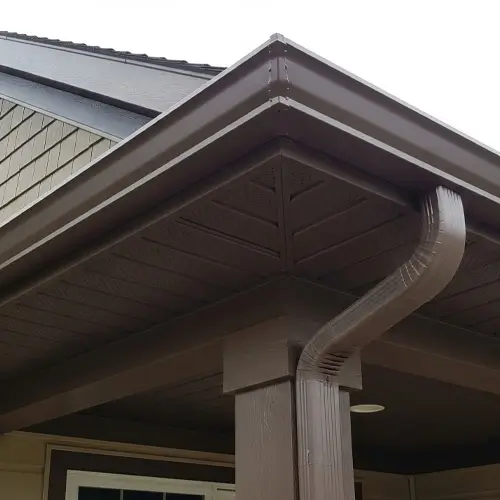
Box gutters have a wider, squared profile, while K-style gutters have a decorative front edge that resembles crown molding. Installation methods vary depending on the gutter product and roof design.
The wider trough can collect and move more runoff before water spills over. Box gutters can also create a clean, streamlined appearance, making them suitable for homes where the roofline should remain simple and uncluttered.
Still, gutter capacity is only one part of the choice. These water drainage systems need firm support, correct slope, and sealed joints because trapped water can lead to leaks or damage over time.
For sizing basics, see this rain gutter sizing guide for Utah homes.
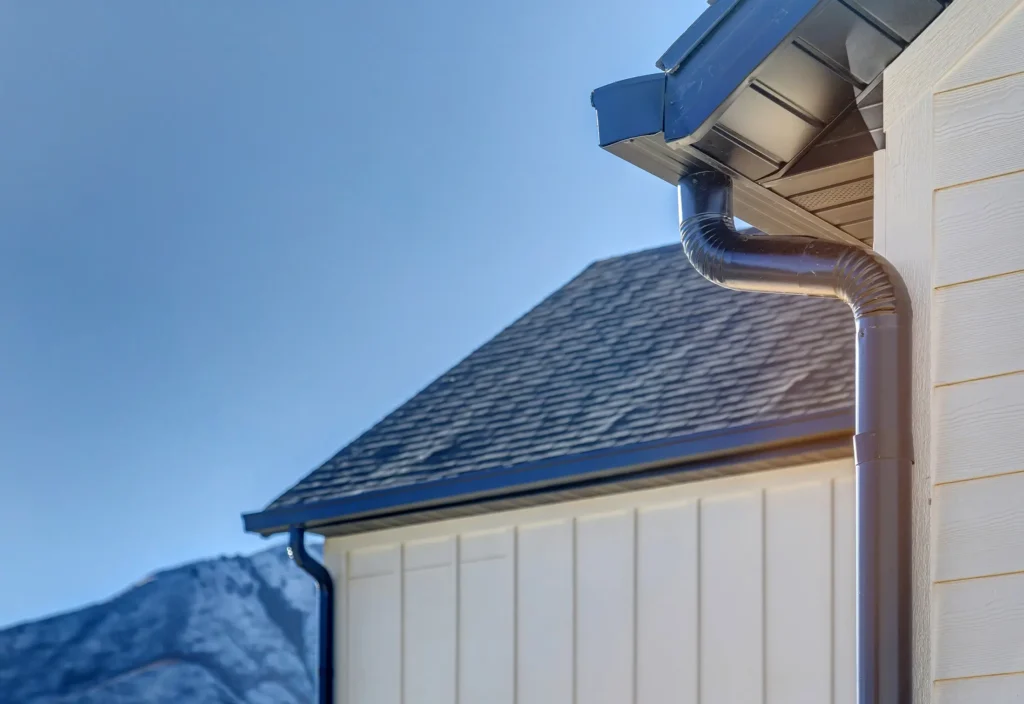
How It Works: The wider, squared channel gives runoff more space before it reaches the gutter edge. Water then moves toward strategically placed outlets and downspouts that carry it away from the home.
Which Home Features Signal a Need for Higher-Capacity Gutters
A high-capacity gutter system is most useful when the roof sends more water to the gutter than a standard system can move away. Large homes, long roof runs, steep roof planes, and upper rooflines can all create a high flow load. If water shoots over the front edge during storms, the gutter may be too small or poorly placed.
For homeowners asking, “Do I need box gutters?” the answer starts with these signs.
| Home or roof factor | Lower-capacity system may work | Larger-capacity box gutter may fit better |
| Home size | Small to mid-size roof with short runs | Large roof area or wide roof planes |
| Roof pitch and runoff | Simple roof planes with evenly distributed runoff | Roof slopes or valleys that concentrate fast runoff into limited sections |
| Rain and snow load | Light runoff with no backup history | Heavy rain, spring snowmelt, or fast runoff |
| Past overflow | No staining, erosion, or spillover | Repeat overflow, siding stains, or soil washout |
| Roof layout | Simple roof with few valleys | Many valleys, upper rooflines, or long runs |
For homes with two stories or upper rooflines, overflow may show up as washed-out mulch, wet foundation edges, or stains below corners. A related guide on how to prevent gutter overflow in your two-story home can help identify common trouble spots.
Is This Happening at Your Home?
Overflow from clean gutters, soil erosion below corners, wet foundation edges, and staining beneath roof valleys may indicate that the existing system cannot handle concentrated runoff.

Water Management and Seasonal Performance in Utah
The best gutters for heavy rainfall are the ones matched to the roof, climate, and downspout layout. In Northern Utah, homes may face spring runoff after snowpack starts to melt, followed by storms that add more water to the same system. The National Weather Service notes that Utah’s spring flooding most often comes from rapidly warming temperatures melting snow faster than saturated ground can absorb it. These conditions highlight the importance of matching gutter and downspout capacity to the amount of runoff reaching the roof edge.
Summer storms in Salt Lake County, Weber County, and Davis County can also bring short, hard bursts of rain. Water drainage systems with wider troughs and correct downspout placement can reduce splashback, soil erosion, and water pooling near the foundation. In freeze-thaw periods, good attic air control, ice melt systems, and correct drainage all work together.
What This Means For You: A system that performs well during steady rain may still overflow when snowmelt or a short summer storm sends water to the roof edge much faster. Seasonal runoff patterns should be considered during sizing.
Installation Complexity and Long-Term Durability Considerations
Box gutter installation cost is usually higher than standard gutter work because labor, material, and roofline fit are more involved. Aluminum is common because it balances weight and corrosion resistance. Steel adds strength but needs careful coating and upkeep.
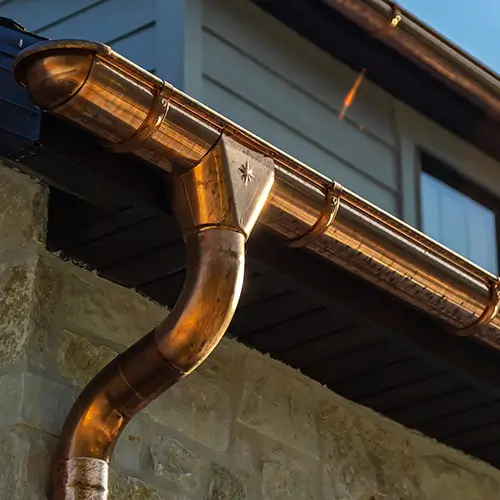
Copper offers strong corrosion resistance and is commonly used for premium gutter systems, although its longevity depends on fabrication, installation, exposure, and maintenance. This is part of why it shows up so often in higher-end box gutter work.
A specialist familiar with Utah rooflines, snowmelt, and local code can assess load, slope, and drainage paths before work starts. For more detail, see why gutter installation is best left to Utah specialists.
What Affects Long-Term Value: The most durable system is not always the most expensive material. Proper fabrication, secure support, sealed joints, and correct drainage often matter more than material choice alone.
Maintenance and Leaf Guard Options for Box Gutters
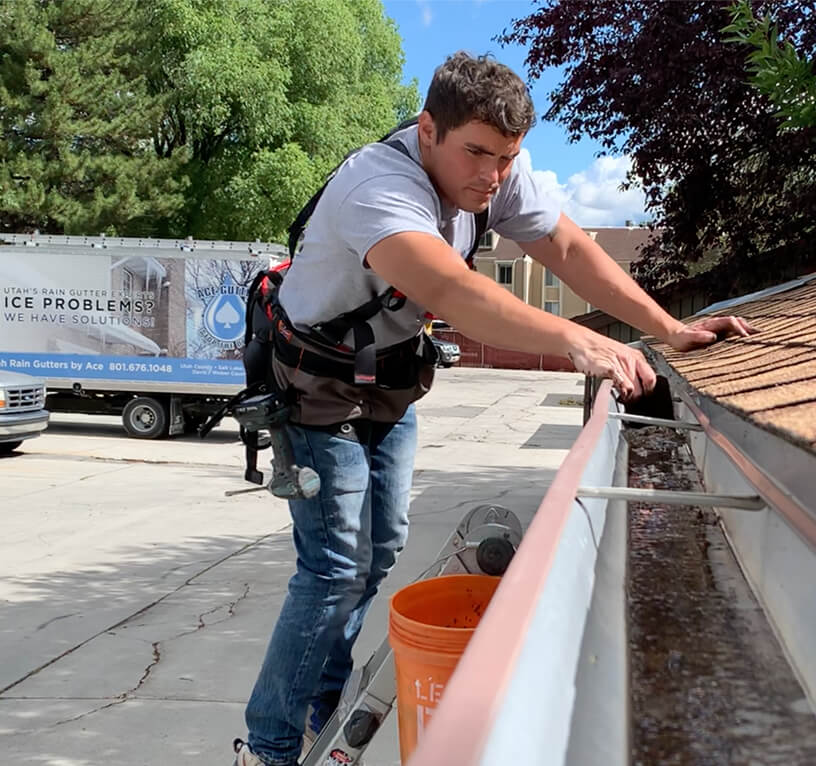
Box gutters still collect leaves, grit, pine needles, and roof debris. Their larger size can hold more material, so a clog may stay hidden until water backs up or stains appear. A visual check after major storms and seasonal debris drops can catch early signs of pooling, loose seams, or blocked outlets.
Leaf guards can reduce debris inside the gutter, but they do not remove all upkeep. Mesh barriers block fine material better than many open styles, foam inserts can slow leaf entry but may trap grit, and brush guards are simple to remove for cleaning.
For Utah homes with trees, snow, and windblown debris, the best option depends on roof slope, tree cover, and access. This guide to the do’s and don’ts of gutter protection and maintenance explains smart upkeep habits.
What Matters Most: Leaf guards should reduce debris without restricting water flow or making the gutter harder to inspect. Choose a system that still allows access to seams, outlets, and downspouts for routine maintenance.
Choosing the Right Gutter System for Your Utah Home
Six-inch box gutters are not a universal upgrade. They are a strong fit for Utah homes with large roof areas, low-slope designs, upper rooflines, or repeat overflow during storms and snowmelt. The main value comes from matching gutter size to roof demand, downspout layout, and seasonal water flow. This is one of the clearest box gutter benefits for homes that already struggle with drainage.
The system itself is only part of the result. Proper fit, careful slope, sound material choice, and leaf guard planning all support a safe, functional home. Close attention to detail during installation and upkeep helps reduce leaks, foundation stress, and exterior damage over time.
Homeowners who see overflow, pooling, or soil washout can benefit from a local gutter review before choosing a new system. A roof and drainage assessment can clarify whether residential box gutters are the right fit or if a simpler size change would solve the issue.
Ready to compare your options? Get a gutter consultation from us to compare practical options for your property’s drainage needs.
Frequently Asked Questions About Box Gutters and 6-Inch Systems
Are box gutters more expensive than traditional K-style gutters?
Yes, box gutters usually require a higher investment than K-style gutters. The price is higher because the work may involve roofline fit, custom sizing, added support, careful sealing, and more labor. Material choice also affects cost, with aluminum, steel, and copper each carrying different price points.
What is the difference between a 5-inch gutter and a 6-inch box gutter in terms of water capacity?
A 6-inch gutter system has a larger cross-section than a 5-inch gutter, so it can generally move more water when paired with appropriately sized outlets and downspouts. Exact capacity depends on gutter shape, slope, roof area, outlet size, and the number of downspouts, so sizing should be based on the complete roof drainage plan.
Can box gutters be installed on any home, or do certain architectural styles work better?
Some homes are better suited for box gutter installation than others. Low-slope roofs, modern rooflines, large homes, and properties with hidden roof-edge designs are strong candidates. Retrofits can be harder when the existing fascia, roof deck, or framing does not allow enough space or support.
How often should box gutters be cleaned, and can you do it yourself?
Box gutters should be checked seasonally, and do-it-yourself cleaning is safest only on low, easy-to-access rooflines. Cleaning needs depend on trees, roof slope, wind exposure, and leaf guard use. High roofs, steep slopes, or integrated systems are better left to trained crews because damage may be hidden from view.
Do box gutters require more maintenance than traditional gutters?
They can require more detailed inspection than traditional gutters. Since box gutters are less visible, leaks or pooling may be harder to spot early. Leaf guards, correct slope, and clear downspouts can reduce the burden, but regular checks are still part of keeping the system sound.

Need Help? Get a free assessment
Get a call back within 1 hour
(During business hours).
Recent Posts

6 Factors That Can Shorten the Lifespan of Your Gutters

What to Know Before Installing Leaf Guards on Your Existing Gutter System?

How to Fix Standing Water in Gutters and Prevent Future Damage

What Type of Gutter System Works Best With a Metal Roof?

How to Know When Your Chimney Cap Needs Replacement
Share
Recent Posts
6 Factors That Can Shorten the Lifespan of Your Gutters
September 24, 2026
TL;DR: Weather, clogs, poor maintenance, installation issues, material quality and physical damage can shorten gutter lifespan. Regular upkeep and timely repairs can help...
What to Know Before Installing Leaf Guards on Your Existing Gutter System?
September 16, 2026
TL;DR: Leaf guards can usually be installed on existing gutters if the system is secure, properly sloped, and draining correctly. The right guard...
How to Fix Standing Water in Gutters and Prevent Future Damage
September 8, 2026
TL;DR: Standing water in gutters is usually caused by debris buildup, poor gutter slope, blocked downspouts, or damaged sections that prevent water from...