December 19, 2024
Jud Smith
TL;DR:
Ice dams form when melting roof snow refreezes near the roof edge, blocking drainage and increasing the risk of leaks. Utah homeowners can use roof rakes, calcium chloride, or warm water for minor buildup. Large or recurring ice dams may require professional removal and an ice melt system for added winter protection.
Winter in Utah is a mix of beauty and a bit of chaos, isn’t it? The snowy mountains and crisp air are amazing, but then there’s the not-so-fun stuff—like dealing with ice dams on your roof.
If you’ve spotted those pesky ridges of ice forming along the edges, you know they can lead to leaks, water stains, and some pretty hefty repair bills.
But don’t worry! Taking care of ice dams doesn’t have to be overwhelming.
In this guide, we’ll break down simple, effective ways to remove them and keep your roof safe all winter long. Whether you’re all about DIY or thinking of calling in the pros, we’ve got you covered.
Let’s dive in!
Why Are Ice Dams So Common in Utah?
With consistent, heavy snowfall and a higher risk of storms, Utah winters offer a perfect setup for ice dams. Here’s why:
- Daytime melting and nighttime freezing increase the risk of ice dams. Utah’s sunny winter days can melt snow, but it refreezes when the temperatures drop at night.
- Warm roofs are equally responsible for ice dam formations. When the heat escaping from your home warms your roof, it melts the snow unevenly and leads to ice dams.
- Heavy, overnight snowfalls are becoming increasingly common in Utah. Unfortunately, this creates layers of snow that trap heat and moisture, resulting in ice dams.
So, how do you know if you have an ice dam? If you notice any of these signs, you might need to call a roofing pro immediately.
- Large icicles hanging from your roof or gutters.
- Water stains on your ceilings or walls.
- Ice buildup on the edges of your roof.
Key Takeaway: Ice dams are mainly caused by uneven roof temperatures, where warmer sections melt snow and colder roof edges allow the water to refreeze. Proper insulation, air sealing, and attic ventilation can help reduce this temperature difference.
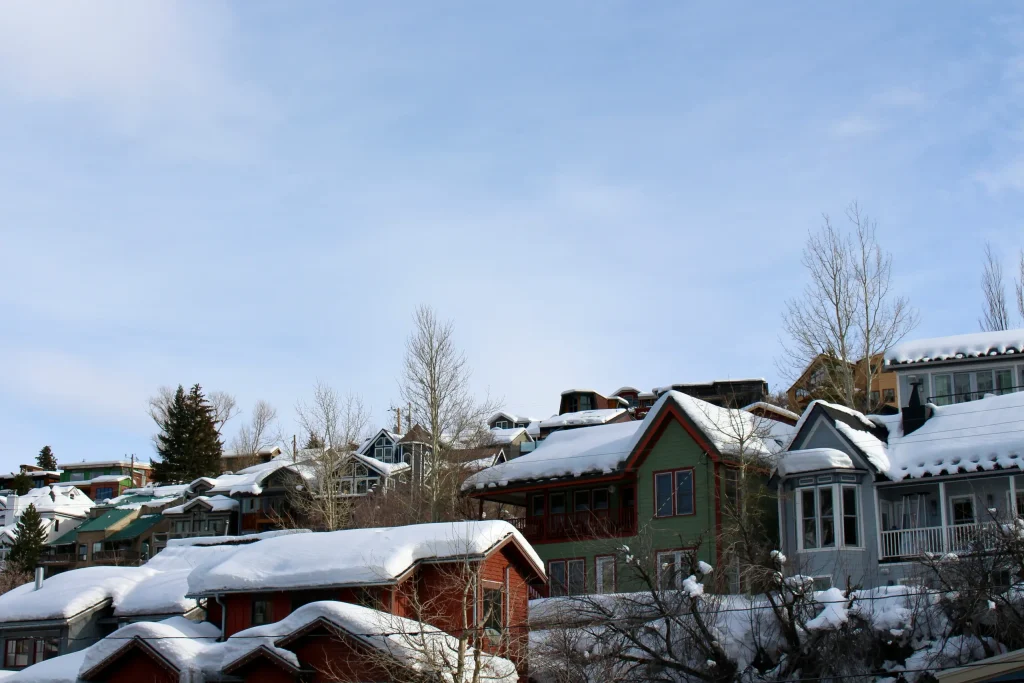
How to Safely Remove Ice Dams
Dealing with ice dams can feel overwhelming, especially during Utah’s harsh winters. However, with the right tools and methods, you can remove them effectively and safely without damaging your roof. Here’s the best way to remove ice dams:
1. Use a Roof Rake
A roof rake is an essential tool if you are dealing with heavy snowfall. It’s designed to clear snow from your roof safely, helping to reduce the risk of ice dam formation.
- Choose The Right Rake: Opt for a rake with a long, extendable handle so you can reach high parts of your roof while standing safely on the ground.
- Work Methodically: Stand on the solid, leveled ground and gently pull the snow down towards you. Always work from the edge inward, avoiding upward or sideways motions that could damage shingles.
- Focus On Key Areas: Concentrate on clearing the first 3–4 feet near the roof’s edge. Removing snow from this zone minimizes the chances of melting snow refreezing and forming a dam.
When clearing the snow, be gentle. Scraping too hard can loosen or damage the shingles, especially in freezing conditions. Remember, your goal is to remove excess snow, not to make the roof bare.
Tip: Use a roof rake after significant snowfall rather than waiting for snow to partially melt and refreeze. Removing excess snow early can help limit the conditions that contribute to ice dams.
2. Melt the Ice with Calcium Chloride
Once an ice dam has formed, you will need to melt it to prevent roof damage. Calcium chloride is effective and safe for most roofs when used correctly. Avoid using rock salt, as it can corrode shingles, gutters, and landscaping.
- Prepare the Solution: Fill a nylon stocking, sock, or cloth bag with calcium chloride pellets. This allows the material to be placed on the roof safely without scattering.
- Position It Correctly: Lay the stocking across the ice dam, perpendicular to the roof’s edge. The calcium chloride will gradually melt the ice, creating channels for trapped water to drain off the roof.
- Monitor the Process: Keep an eye on the melting progress. Check for water runoff to see if it’s draining into the gutters properly. Be sure to clean your gutters, so the water can travel to the drain without spilling over.
As the ice melts, watch out for falling ice chunks or water runoff. You and those helping you should stand clear of areas directly below the roof while the calcium chloride does its work. It’s a simple yet the best way to remove ice dams.
Watch Out: Never scatter calcium chloride pellets directly across the roof or use more than necessary. Concentrated de-icer can affect roofing materials and nearby vegetation if it is misapplied or carried away by runoff.
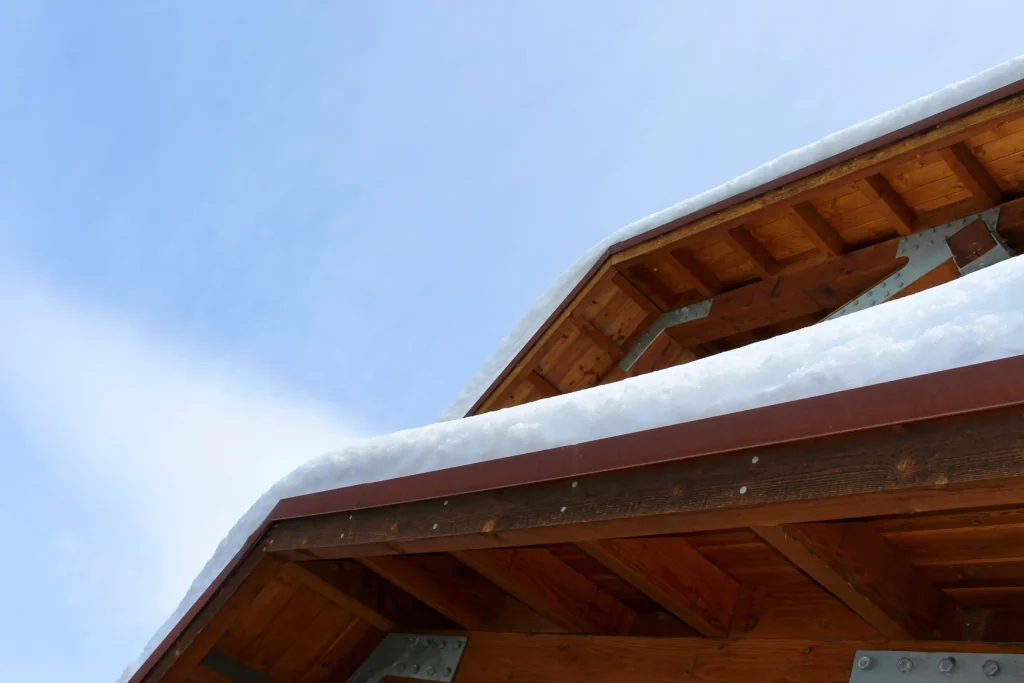
3. Pour Warm Water
If you need a quick ice dam removal, use warm water to temporarily melt the dam. It is particularly useful when water pooling behind the dam poses an immediate risk of leaks.
Here’s what you can do:
- Use a watering can or hose to pour warm (not boiling) water over the ice dam.
- Start from the top and let the warm water trickle down, melting the ice gradually.
- Be careful when pouring the water to avoid sleeping or hurting yourself.
Keep in mind that this method is a short-term fix. Once the water cools, it may refreeze, potentially worsening the ice dam if not addressed further. It’s a stopgap arrangement until you can call a professional to remove the dam and install ice melt systems.
What To Expect: You may see water begin flowing shortly after applying warm water, but the opening can close again as temperatures fall. Monitor the area from a safe position rather than repeatedly approaching the roof.
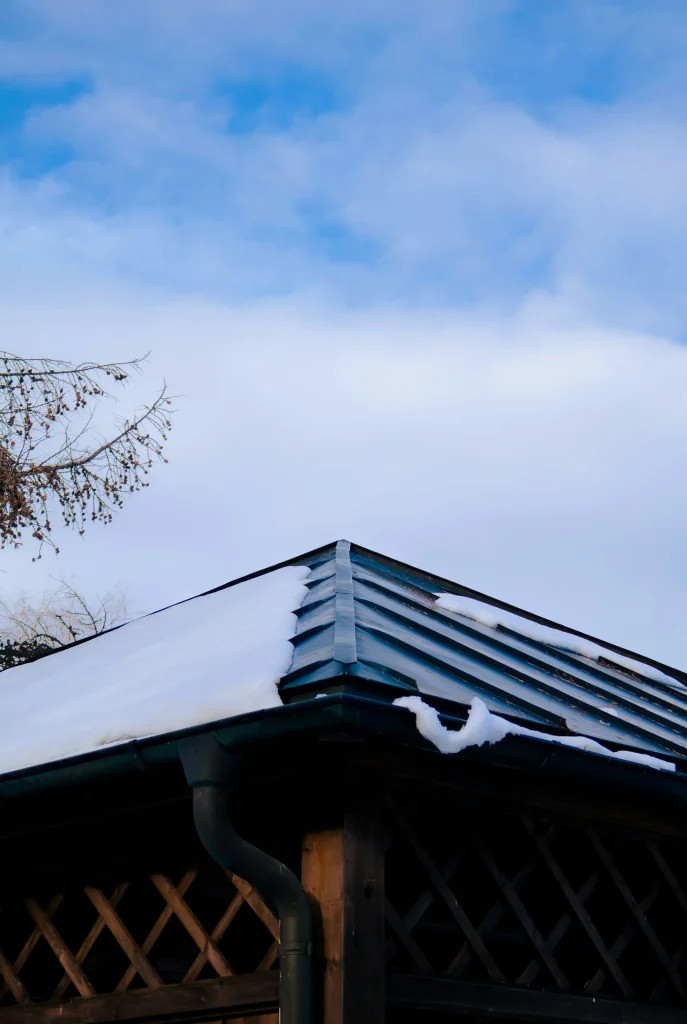
Don’t Go Through This Alone, Call A Professional
If the ice dam is large, persistent, or located in a hard-to-reach area, calling a professional is often the safest and best way to remove ice dams.
Here’s why:
- Expert Tools: Professionals use specialized equipment, such as low-pressure steamers, to melt ice dams without damaging your roof or shingles. This method is safe, thorough, and works even in extreme winter conditions.
- Avoid Accidents: Climbing onto a slippery roof in icy weather can be extremely dangerous. Professionals are trained to handle these conditions and have the right safety equipment.
- Prevent More Damage: Hiring a professional ensures the ice dam is removed correctly, minimizing the risk of roof or gutter damage during the process.
- Install Ice Melt Systems: Experts can install ice melt systems and heated gutters to help you avoid this problem in the future.
Expert Perspective:
- Assess the roof and attic for issues contributing to recurring ice dams.
- Address insulation, ventilation, and heat-loss issues to help prevent recurrence.
- Remove ice safely while minimizing damage to shingles and gutters.
Final Thoughts
Ice dams are a common winter problem in Utah, but they are manageable. If you are into DIY, you can use tools like roof rakes and calcium chloride to remove them safely. If not, you are better off hiring a professional, especially if the ice dam is old and hard to remove. Also, consider installing heat tapes and heated gutters to prevent this problem in the future.
If you’re dealing with a stubborn ice dam in Utah, call Ace Gutter Inc. immediately. Our experts will ensure your roof stays protected all winter long. Contact us today!
Frequently Asked Questions
1. What causes ice dams to form on Utah roofs?
Ice dams develop when roof snow melts and refreezes along colder roof edges. Utah’s temperature swings, heavy snowfall, and heat escaping through the roof can increase the chance of ice buildup.
2. Can I remove an ice dam myself?
Minor ice dams may be managed from the ground with a roof rake or calcium chloride. Avoid climbing onto an icy roof, since slippery conditions and falling ice can create serious hazards.
3. Is rock salt safe for removing ice dams?
Rock salt is generally not recommended because it can damage shingles, gutters, and nearby landscaping. Calcium chloride is commonly used instead because it can melt channels through the ice with less risk of surface damage.
4. What are common signs of an ice dam?
Large icicles, ice buildup along roof edges, water stains on ceilings, and moisture near exterior walls can indicate an ice dam. These signs may mean melting snow is no longer draining correctly.
5. How can I reduce future ice dam problems?
Keep gutters clear, remove heavy snow near roof edges, and address excess roof heat where possible. Heat cables or other ice melt systems can also create drainage paths during freezing weather.

Need Help? Get a free assessment
Get a call back within 1 hour
(During business hours).
Recent Posts
How to Improve Drainage and Water Flow in Aging Gutter Systems?
6 Factors That Can Shorten the Lifespan of Your Gutters

What to Know Before Installing Leaf Guards on Your Existing Gutter System?

How to Fix Standing Water in Gutters and Prevent Future Damage

What Type of Gutter System Works Best With a Metal Roof?
Share
Recent Posts
How to Improve Drainage and Water Flow in Aging Gutter Systems?
October 2, 2026
If you are seeing puddles around your foundation, streaks along the siding, or soggy spots in the yard, your gutters may be struggling...
6 Factors That Can Shorten the Lifespan of Your Gutters
September 24, 2026
TL;DR: Weather, clogs, poor maintenance, installation issues, material quality and physical damage can shorten gutter lifespan. Regular upkeep and timely repairs can help...
What to Know Before Installing Leaf Guards on Your Existing Gutter System?
September 16, 2026
TL;DR: Leaf guards can usually be installed on existing gutters if the system is secure, properly sloped, and draining correctly. The right guard...