May 13, 2026
Jud Smith
A winter roof can look calm from the ground, but ice along the eaves tells a different story. In Utah, where cold nights follow sunny winter days, meltwater can refreeze fast. That cycle creates ice dams, which can force water under shingles, into soffits, behind siding, and through ceilings.
The issue is not limited to heavy snow years. Salt Lake City averages 56.5 inches of snow in a typical season, while mountain areas such as Park City and the Wasatch Back often receive far more.
When roof heat, snow depth, and clogged gutters combine, ice dam roof removal becomes less about clearing ice and more about keeping your home safe and functional. And that’s exactly why we have created this post, to help you through the process.
We have covered what causes ice dams, how to remove ice dams, common methods and their risks, and what you can do to prevent them from coming back.
What Causes Ice Dams?
Ice dams form when the upper part of a roof warms enough to melt snow, while the lower roof edge stays below freezing. Meltwater runs down until it hits the colder eaves, where it freezes and builds a ridge. More water then backs up behind that ridge.
This usually happens when warm indoor air leaks into the attic. Poor air sealing, thin insulation, blocked vents, and recessed lights can all heat the roof deck from below. Utah homes face added risk because winter sun can warm roof surfaces during the day, while temperatures drop sharply after sunset, prime conditions for refreeze at the roof edge.
For a clear understanding of how melting, freezing, and roof heat interact, see the National Weather Service’s guide on preventing roof ice dams.
Why Do Gutters Make the Problem Worse?
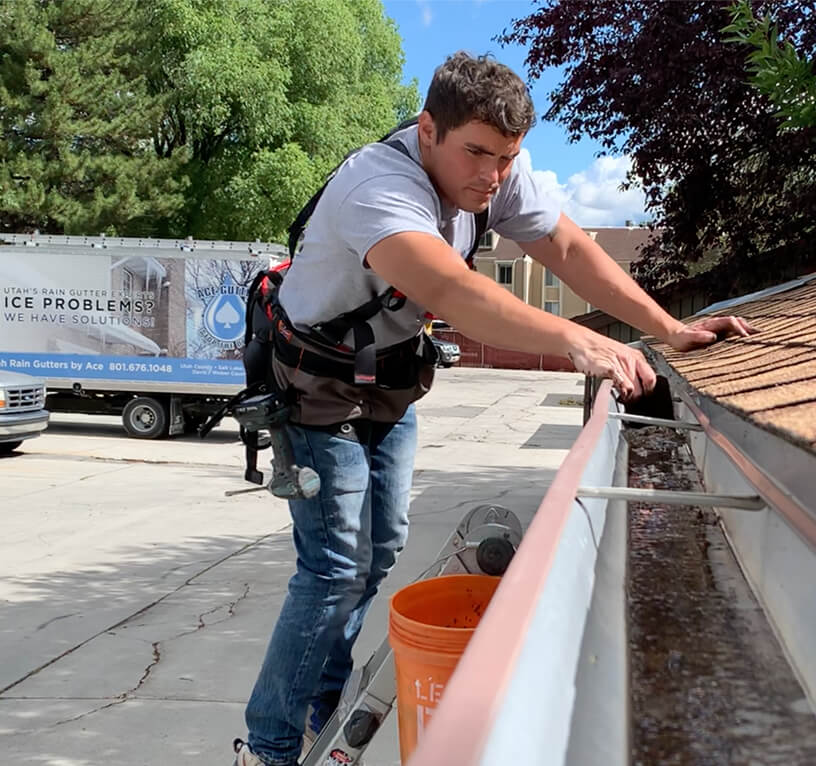
Gutters do not cause ice dams on their own, but they can make them larger. When debris blocks water flow, meltwater sits in the trough and freezes solid.
Once the gutter fills with ice, new meltwater has nowhere to drain. It can refreeze over the gutter lip, climb under the first rows of shingles, or weigh down the fascia enough to pull fasteners loose.
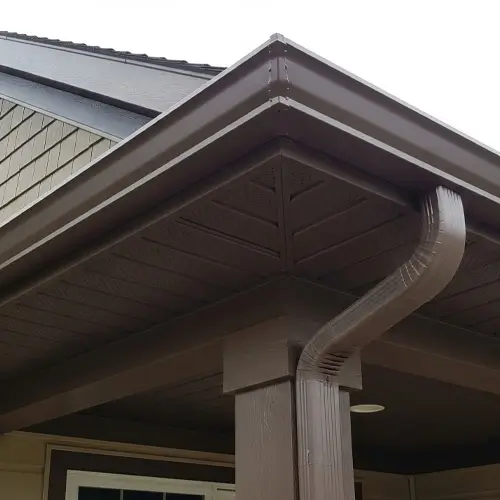
This is where gutter ice dam removal becomes a necessity. Restoring drainage helps trapped water escape and reduces load on the roof edge, keeping your home dry and stable through winter.
How Professional Ice Dam Removal Works?
Professional ice dam roof removal is a controlled process. The goal is to remove snow and ice without harming shingles, flashing, skylights, vents, or gutters. A trained crew first assesses the roof from the ground, checking snow depth, ice thickness, gutter condition, and safe access points, before any work begins.
Step 1: Remove Excess Snow
The first priority in how to remove ice dams is reducing the amount of snow feeding the buildup. Professionals carefully clear the lower section of the roof using roof rakes or specialized snow-removal tools, generally working from the ground whenever possible for safety.
The goal is not to strip the roof completely bare, but to remove enough snow to slow melting and prevent more water from collecting behind the dam. A thin layer of snow is often left behind intentionally to avoid scraping or damaging shingles.
Step 2: Clear Drain Paths in the Gutters
Attention then shifts to drainage. Channels are opened in ice-filled gutters so meltwater can move away from the house, and downspouts are checked for frozen plugs.
Experienced providers avoid prying frozen gutters apart. Pulling on ice can twist hangers, crack seams, or damage fascia. The focus is on creating flow without stressing the roof edge.
Step 3: Use Steam or Safe Heat Methods
Steam is widely regarded as one of the safest methods for ice dam removal. A low-pressure steamer cuts through ice without harsh force, melting channels through the dam so trapped water can drain.
Unlike a pressure washer, ice dam removal steam uses heat at low pressure, protecting your roof while clearing ice in a controlled way. It is especially effective near valleys, dormers, and roof edges.
Step 4: Check for Interior Water Signs
After water starts to drain, the next concern is hidden moisture. Stains near windows, damp drywall, or peeling paint can point to water that backed up under the roof covering.
Document visible damage with photos, and address wet drywall and insulation quickly to reduce mold risk. A roof can look fine outside while moisture remains inside the wall or ceiling cavities.
Common Ice Dam Removal Methods and Their Risks
Not every ice dam roof removal is as safe or effective as it sounds. Some methods can provide short-term relief, while others may cause more damage to your roof, gutters, or siding. Here is a closer look at the most common approaches and the risks that come with them.
Calcium Chloride Socks
One of the safer temporary solutions involves filling a nylon stocking with calcium chloride and placing it across the ice dam. As it melts, it creates a narrow drainage channel that allows trapped water to escape instead of backing up under the shingles.
This reduces active leaking until professional removal is completed. However, it is important to avoid using rock salt as it corrodes gutters, stains siding, and can damage nearby landscaping.
Hot Water
Pouring hot water onto an ice dam may seem like a quick fix, but the results are usually temporary. In Utah’s freezing temperatures, the melted water can refreeze quickly, creating even thicker ice later on.
It can also leave behind dangerously slick walkways and heavy icicles around the roof edge. While hot water may help during an emergency, it should never be treated as a long-term ice dam removal solution.
Chipping or Hammering Ice
Using chisels, hammers, axes, or metal shovels is one of the riskiest ways for removing ice dams on the roof. Ice is often tightly bonded to shingles, gutters, and roof edges, so striking it with force can crack shingles, loosen flashing, damage fascia boards, or even puncture the roofing system itself.
In most cases, aggressive chipping causes more harm than the ice dam alone. A slow melt-and-drain approach is far safer and does a much better job of protecting the roof structure.
Prevention After Removal
Removing ice dams from the roof solves the immediate issue, but preventing them from returning means addressing the conditions that caused them in the first place. In Utah, this usually comes down to controlling attic heat, improving ventilation, and keeping water moving off the roof before it freezes.
- Seal gaps around attic hatches, recessed lights, plumbing vents, and bathroom fans to reduce heat escaping into the attic. Add insulation only after air leaks are properly sealed.
- Keep soffit and ridge vents clear so cold air can circulate through the attic and carry excessive heat out. Vent baffles can maintain airflow where insulation tends to block vents.
- Clean gutters and downspouts before winter arrives to keep meltwater draining properly. Even a small clog can trap water and contribute to ice buildup along the roof edge.
- Check gutters for loose hangers, sagging sections, or separated seams before temperatures drop. Small drainage problems often become much larger once freezing conditions set in.
- Consider heat cables or ice melt systems in areas that repeatedly collect ice, such as valleys or heavily shaded roof sections. These systems work best alongside proper insulation and ventilation, not as a standalone fix.
When Ice Dam Removal Needs Immediate Attention
Some signs call for prompt action, like water dripping near windows, stains spreading on ceilings, sagging gutters, large icicles over walkways, and ice pushing under shingles, all of which point to a higher risk.
Safety should guide every choice. Roofs covered with snow and ice are dangerous, even on single-story homes. Ladders shift on frozen ground, and icicles can break without warning. Professional ice dam roof removal is the safer route when leaks are active, ice is thick, or the gutter is packed solid.
Stop Ice Dams Before They Stop You
Ice dams form through a chain of conditions such as heat loss, snow cover, cold eaves, and blocked drainage. Breaking that chain safely requires the right order, like snow removal, gutter clearing, controlled ice removal, and interior moisture checks.
Your roof and gutter system work together, and protecting both through Utah’s freeze-thaw winters takes real attention to detail. That is exactly what Ace Gutter brings to every job.
From professional gutter ice dam removal to ice melt system installation and full gutter maintenance, Ace Gutter has been protecting Utah homes and businesses since 1998.
With a 4.9-star rating with 1,200+ reviews and service across Salt Lake, Davis, Weber, Utah County, and beyond, your home is in experienced hands. Reach out to us before the next storm and keep your roofline safe all season long.
Call: (801) 676-1048
Email: support@acegutterinc.com

Need Help? Get a free assessment
Get a call back within 1 hour
(During business hours).
Recent Posts
Share
Recent Posts

What Type of Gutter System Works Best With a Metal Roof?
September 2, 2026
TL;DR: For metal roofs, fascia-style and wide K-style gutters are strong choices because they can handle fast runoff when properly sized. Focus on...

How to Know When Your Chimney Cap Needs Replacement
August 28, 2026
Chimney caps sit at the top of the flue, where they block rain, snow, leaves, pests, and animals while still letting smoke and...
Can Leaf Guards Be Installed on Older Gutter Systems?
August 19, 2026
TL;DR: Older gutters can often support leaf guards when they are secure, properly sloped, free of major leaks, and attached to sound fascia....