May 8, 2026
Jud Smith
Utah’s weather is not always easy on homes, to put it lightly. Between heavy snow piling up along the Wasatch Front in winter and intense summer heat baking rooftops across the valleys, your roof has to handle a lot throughout the year.
Most homeowners focus on shingles when they think about roof protection, but soffit and fascia are often the parts working hardest behind the scenes. They keep moisture out, support your gutters during storms and snowmelt, improve attic ventilation, and block pests from finding their way inside.
Want to know more about how fascia and soffit protect your roof and what they actually do along your roofline? Read this guide as we explain everything in detail.
What Soffit and Fascia Do Along the Roofline?
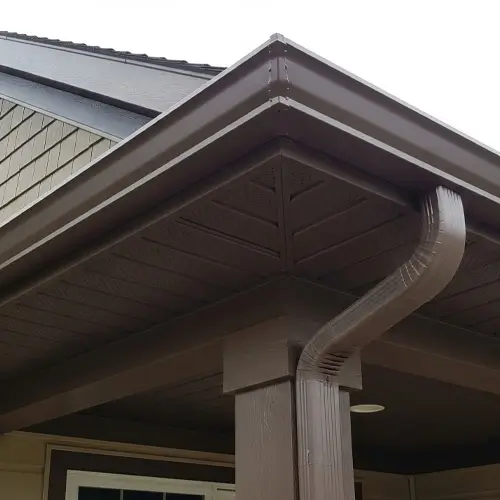
Soffit is the finished panel that runs under your roof overhang, covering the gap between your outer wall and the roof edge. Most soffit panels include small vents that let fresh air flow into your attic, which makes a bigger difference than you’d expect.
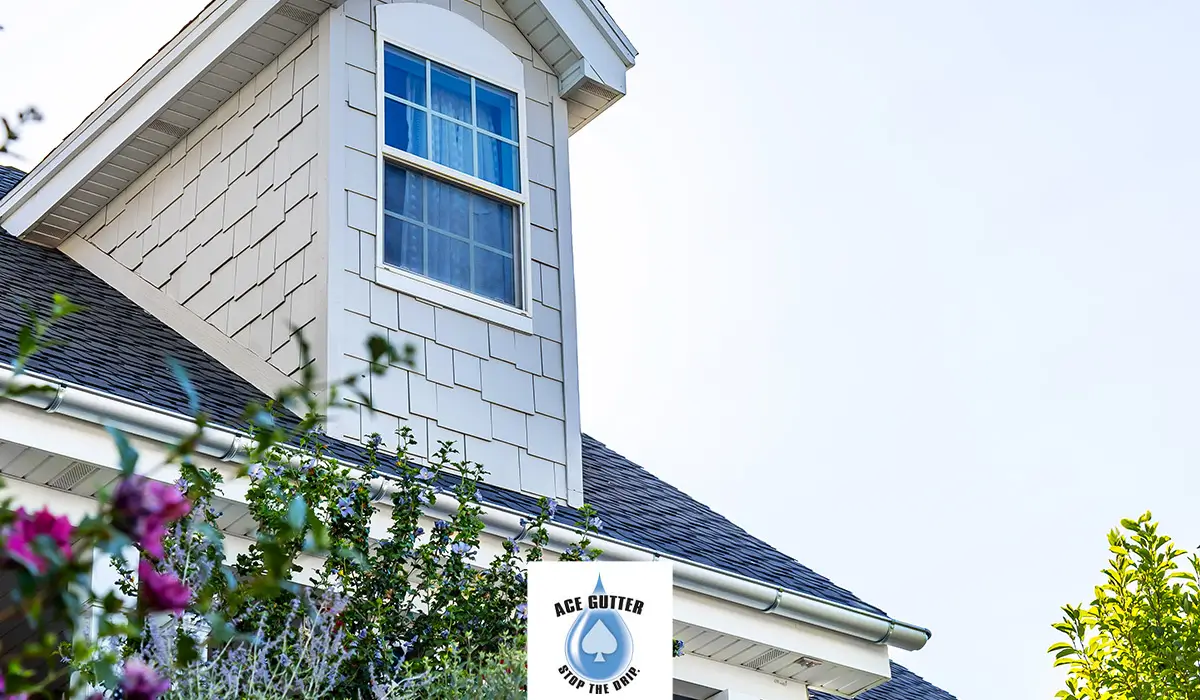
Fascia is the vertical board running along the roof edge. It sits right behind your gutters, supports their weight, and closes off the ends of your roof rafters. Without it, rain, snow, birds, insects, and debris would have a direct path into your roof frame.
Together, they create a protected edge between your roof, attic, walls, and gutter system. That’s the core of how fascia and soffit protect roof structure.
How Soffit Supports Ventilation and Moisture Control
Your attic needs two things to stay healthy: intake air and exhaust air.
Soffit vents handle the intake side. Fresh air enters under your eaves, travels through the attic, and exits near the ridge. That steady airflow keeps heat and moisture from building up.
When that airflow breaks down, problems follow. In winter, warm attic air melts snow on the roof, and that water refreezes near the eaves as ice dams. During summer, trapped heat shortens shingle life and drives up your cooling bills.
Year-round, trapped moisture leads to mold, mildew, and wood rot, which is exactly why the EPA stresses that homes must be kept dry and well?ventilated to discourage mold.
Why Vent Placement Matters?
Your soffit vents need clear openings to do their job. Insulation, paint buildup, bird nests, and debris are all common blockers. Even if you have ridge vents at the top, a blocked soffit vent means the whole system stalls.
Check your soffit vents at least once a year, especially after storms or fresh exterior paint. If insulation is blocking the eaves from inside, attic baffles can keep those air channels open. It’s a small fix that supports a much bigger system.
How Fascia Protects Gutters and Roof Edges?
Your gutters are only as secure as the fascia behind them. Since gutters carry the weight of water, leaves, snow, and ice, they need a firm surface to hold onto. When fascia rots or pulls loose, gutters sag, tilt, or separate from the roofline, and that’s when water starts going where it shouldn’t.
This is a key part of how fascia and soffit protect your roof. Solid fascia keeps gutters pitched correctly so water flows toward downspouts instead of pooling along the edge. It also acts as a barrier between your roof decking and whatever weather Utah throws at it.
What Happens When Gutters Pull Away?
A gutter that’s pulling away from the fascia creates hidden damage fast. Water runs behind the gutter instead of through it, soaking the fascia, softening the soffit, and eventually sending moisture toward your foundation. In cold climates, that trapped water freezes and widens the gap even further.
Utah homes with steep roofs are especially vulnerable. Snow sliding into gutters and ice adding weight can cause fast failure if the fascia behind them is already weak. A quick inspection after winter can catch early movement before gutters tear loose completely.
Water Damage Risks Around Soffit and Fascia
Water is the biggest threat to your roofline. Clogged gutters, missing drip edge, loose shingles, and poor flashing can all send water into the fascia and soffit. Once moisture reaches the wood, damage spreads out of sight, often well before you notice anything from the ground.
Rot starts small. Paint bubbles, trim darkens, and boards begin softening over time. By the time pieces are breaking apart, water may already be inside your framing. That’s why timely fascia and soffit repair is so important. Catching it early keeps the damage contained to the outer roofline.
Common Sources of Roofline Moisture
Clogged gutters are the most common culprit behind roofline moisture. When the flow is blocked, water rises and spills over the back edge onto your fascia. A missing or bent drip edge can let water curl under shingles and run straight onto the board.
Roof leaks near valleys, skylights, or chimneys can also show up at the eaves. Ice dams force water under shingles. Poor attic airflow adds moisture from inside. Treat your gutters, roof edges, attic air, and trim as one connected system.
Signs Soffit and Fascia May Need Attention
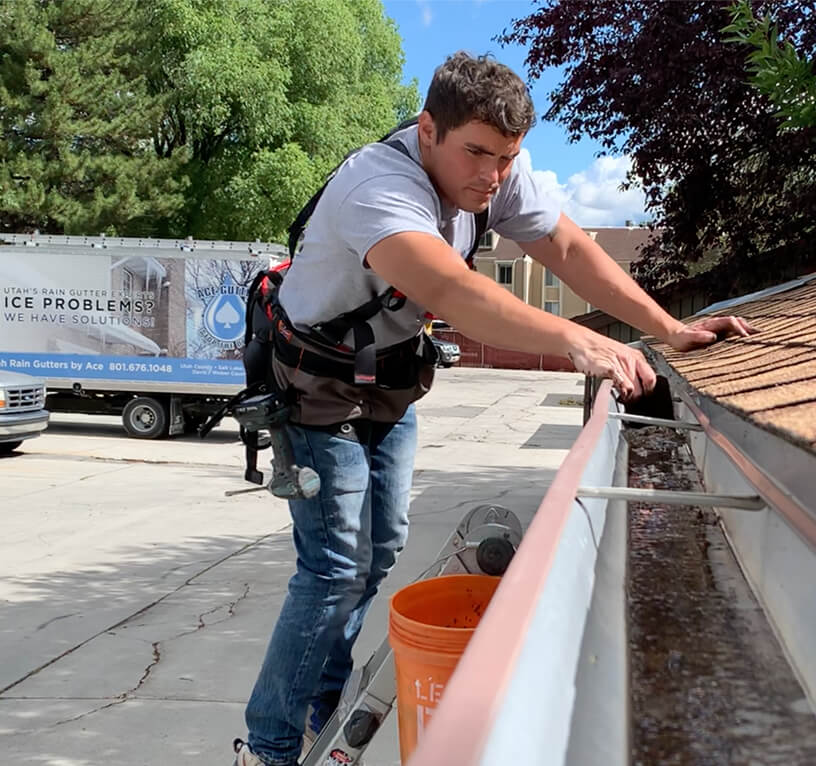
You don’t need to climb a ladder to spot most roofline problems. The most common signs your fascia and soffit need replacing include peeling paint, sagging gutters, soft or cracked boards, dark stains under eaves, mold, and visible gaps near the roof edge. Pest activity up there is also a red flag.
Noise in your attic matters too. Birds, wasps, squirrels, and insects often get in through broken soffit or loose fascia. Once they’re inside, they can damage insulation, wiring, and air seals, affecting your comfort, safety, and energy bills.
Simple Checks From the Ground
Grab a pair of binoculars and scan your roofline. Look for wavy gutter lines, dark staining under eaves, missing vent strips, and boards that no longer sit flat. After rain, watch whether water exits your downspouts or spills over the gutter edges.
Inside the attic, look for damp insulation, musty odors, rusted nails, or daylight near the eaves. Any sign of moisture should be traced to its source. Surface repairs without fixing the water path just invite the same damage back.
Repair, Replacement, and Installation Choices
The right fix depends on how far the damage has spread. Small sections may only need fascia and soffit repair combined with gutter cleaning or sealing. Widespread rot, poor airflow, or pest damage usually calls for full replacement.
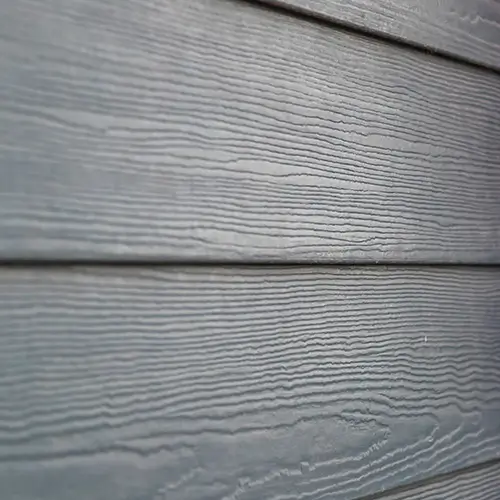
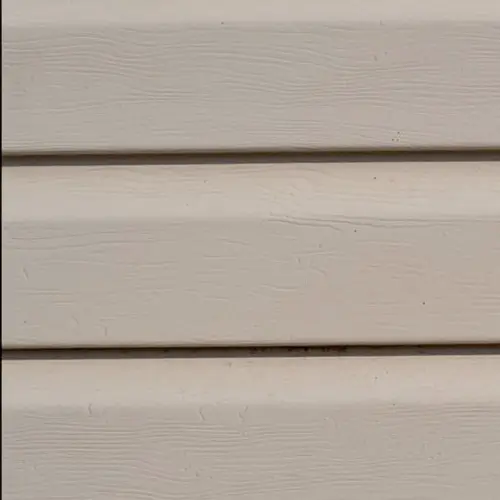
Material choice matters too. Wood offers a classic look but needs regular paint and upkeep. Aluminum and vinyl resist rot and are lower maintenance. Fiber cement and engineered products work well in certain climates and budgets. Whatever you choose, proper fit and water control come first.
When Replacement Makes More Sense
A full gutter soffit and fascia replacement often makes more sense when gutters are failing, and the boards behind them are already weak. Replacing only the gutter in that case hides old damage and leaves new hardware attached to an unstable surface.
A broader fascia soffit and guttering replacement plan also helps when the roofline has poor slope, blocked vents, or a history of water stains. Coordinating the work lets each part support the next, and that kind of planning is what separates a lasting repair from a repeat problem.
Why Proper Installation Is Critical?
Quality work in installing fascia and soffit starts with straight, secured boards anchored to solid framing. Gutters should be properly sloped so water drains correctly, with sturdy supports and clear downspouts. Soffit vents also need open airflow paths that aren’t blocked by insulation, debris, or layers of paint.
Small installation mistakes create big problems later. Leaking gutter seams rot the fascia. Blocked soffit vents trap attic moisture. Poorly cut boards invite pests. Getting the details right the first time protects the appearance and the long-term function of your roof.
Maintenance Habits That Extend Roofline Life
Roofline maintenance doesn’t have to be complicated. Clean your gutters every spring and fall, more often if you have trees nearby. Make sure downspouts carry water well away from your foundation. Check your roof edges after heavy wind, hail, snow, or ice.
Utah’s freeze-thaw cycles put extra stress on gutters and roof edges. Snow melt can refreeze at the eaves when attic heat escapes through poor air sealing. Keeping gutters clear and soffit vents open reduces that risk significantly.
Ice melt systems can help in areas with repeat buildup, but sound roofline design is always the better starting point.
A simple yearly checklist covers gutter flow, downspout discharge, fascia condition, soffit vent openings, attic moisture signs, and pest entry points. Running through it once a season keeps every part of the system working the way it should.
Plan the Work in the Right Order
Roofline projects work best when you follow the problem from source to surface. If shingles or flashing are leaking, fix those before touching the trim. When gutters are clogged or misaligned, sort out drainage before replacing damaged boards. In case the fascia is rotten, don’t hang new gutters over weak material.
A practical sequence usually looks like this:
- Inspect the roofline and identify the source of the problem
- Fix any roof leaks or flashing issues
- Remove damaged or rotten wood
- Repair or replace the soffit and fascia
- Repair or replace the gutters
That order prevents repeat damage and protects the quality of everything downstream.
Protect Your Roofline the Right Way With Ace Gutter
Your soffit and fascia do far more than finish the look of your roofline. They move air through your attic, anchor gutters, keep pests out, and guard the roof frame from water damage. When they’re in good shape, your entire roof system performs better, and your home stays safer through every Utah season.
That’s exactly what Ace Gutter is here to help you with.
Serving Northern Utah since 1998, we bring hands-on expertise to soffit, fascia, gutter installation, repair, and full roofline replacement.
Whether you’re spotting early warning signs or planning a complete roofline upgrade, our team treats every home like it’s their own, with honest assessments, quality materials, and workmanship that holds up to Utah’s toughest weather.Ready to protect your home from the roofline down? Get a free estimate from us today.

Need Help? Get a free assessment
Get a call back within 1 hour
(During business hours).
Recent Posts
How to Improve Drainage and Water Flow in Aging Gutter Systems?
6 Factors That Can Shorten the Lifespan of Your Gutters

What to Know Before Installing Leaf Guards on Your Existing Gutter System?

How to Fix Standing Water in Gutters and Prevent Future Damage

What Type of Gutter System Works Best With a Metal Roof?
Share
Recent Posts
How to Improve Drainage and Water Flow in Aging Gutter Systems?
October 2, 2026
If you are seeing puddles around your foundation, streaks along the siding, or soggy spots in the yard, your gutters may be struggling...
6 Factors That Can Shorten the Lifespan of Your Gutters
September 24, 2026
TL;DR: Weather, clogs, poor maintenance, installation issues, material quality and physical damage can shorten gutter lifespan. Regular upkeep and timely repairs can help...
What to Know Before Installing Leaf Guards on Your Existing Gutter System?
September 16, 2026
TL;DR: Leaf guards can usually be installed on existing gutters if the system is secure, properly sloped, and draining correctly. The right guard...