June 4, 2026
Jud Smith
Winter in Utah doesn’t give you much warning. One morning, you wake up to a frozen driveway, ice-packed gutters, and a roof that’s quietly building up an ice dam.
If your ice melt system didn’t kick in the way it should have, chances are one (or more) of these common mistakes is to blame.
This guide breaks down the most frequent ice melt system mistakes Utah homeowners make, and more importantly, how you can avoid them.
Whether you’re setting up a new system or maintaining an existing one, you’ll walk away knowing exactly what to fix, what to check, and how to keep your home safe when the freeze hits hard.
1. Treating Every Roofline the Same
Not all rooflines behave the same way in winter. Your south-facing slope might clear snow in a day, while the north-facing side holds ice for a week. Valleys, dormers, and skylights create problem zones where meltwater tends to refreeze before it ever reaches the gutter.
A solid snow ice melting system plan starts with the full meltwater path, from the roof edge, through the gutter, down the downspout, and away from your home. If only one section gets heat, ice can still form further down the line. Map the whole route before you install anything.
2. Getting Cable Spacing Wrong
Heat cable spacing directly affects how well your system performs. Space the cables too far apart, and you get cold zones where ice sits. Install them in random patterns, and you waste energy without solving the actual problem.
Always follow the manufacturer’s spacing recommendations for every surface, as roof edges, gutters, downspouts, and walkway systems each have their own installation requirements.
When cables are laid correctly, heat transfers evenly, and melt zones stay consistent. Skipping this step is one of the easiest ways to end up with a snow ice melting system that looks installed but barely works.
Warning signs of poor spacing include strips of ice between heated sections, frozen downspouts while gutters stay clear, or snow that melts at the roof edge but refreezes at the outlet.
3. Ignoring Gutters and Downspouts Before Winter
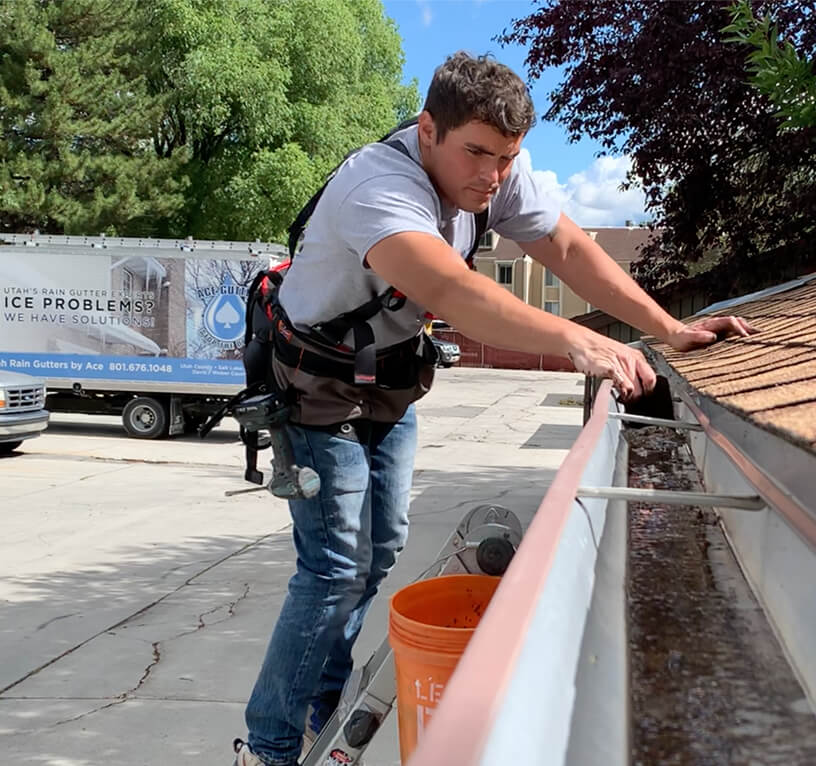
Your ice melt system maintenance routine needs to start with your gutters in the fall. Leaves, pine needles, roof grit, and debris can block gutters before the first freeze even arrives.
Once temperatures drop, those small clogs become solid ice plugs, and suddenly your heated system looks like it’s not working, even when the real issue is blocked drainage.
Before winter, run water through your gutters and check for slow drainage, sagging sections, and open downspouts. Make sure water exits away from walkways and your foundation.
4. Using Manual Controls Without a Plan
Manual systems can work well, but only if you use them at the right time. Turn the system on after ice has already bonded to the surface, and it’ll take much longer to clear. Leave it running too long, and you’re burning energy for no reason.
If you want to prevent ice melting problems from turning into refreeze hazards, consider automated controls with temperature and moisture sensors. They activate the system when conditions actually call for it, which is especially helpful during overnight storms or sudden weather shifts.
And don’t overlook sensor placement. A sensor tucked under an overhang stays dry while snow piles up nearby. One in direct sun warms faster than your shaded roof sections. Place sensors in the coldest, most exposed areas of your property for accurate readings.
5. Skipping Pre-Season System Testing
Your ice melt system sits unused for months, then faces its biggest test during the first major storm. Without testing beforehand, you won’t catch loose connections, failed controls, tripped breakers, or damaged cables until it’s too late.
Good ice melt system maintenance means running a full test in early fall, before Utah’s weather changes. Power the system on, confirm controls respond, and do a visual check for cracked insulation, pulled cable, missing clips, and exposed wires.
If you spot electrical issues, bring in a qualified professional because roof and gutter systems need to meet safe hands.
6. Expecting the System to Do All the Work
Snow ice melting systems reduce buildup, but don’t eliminate the need for snow removal. During heavy storms, snow generally falls faster than the system can melt it. Wind drifts snow over heated areas. Deep snow can actually insulate the surface and slow the whole process down.
Pair your system with a clear winter plan. Clear heavy snow early, keep drains open, and check high-risk spots after major storms. On roofs, watch for large overhangs of snow or ice above doors, decks, and parking areas. Always remember, the system is a tool, not a complete solution.
7. Using the Wrong Deicer Near the System
Not all deicers are created equal. The wrong product can damage concrete, corrode metals, harm plants, and leave residue near your gutters, downspouts, and door thresholds. Some products also stop working effectively at very low temperatures.
Choose your deicer based on surface type, temperature range, and what the manufacturer recommends.
Major U.S. insurers note that calcium chloride is safer than rock salt for ice dams, and recommend using it in controlled amounts to avoid surface damage and runoff that could harm nearby landscaping.
8. Overlooking Attic Insulation and Heat Loss
Some of the worst ice dam problems start inside your home. Warm air leaking into the attic heats the roof deck and melts snow from below. That water runs down to the cold roof edge and freezes, and your ice melt system ends up fighting a problem it didn’t create.
Proper attic insulation, air sealing, and ventilation keep your roof deck closer to outdoor temperatures, and even home insurance experts recommend this approach to minimize ice?dam formation and associated water damage.
9. Failing to Document Your System Layout
If a contractor replaces your gutters, repairs the roof, or cuts into concrete, they need to know where your heating cables run. Without documentation, those cables can be damaged accidentally, and you may not find out until your system fails mid-winter.
Keep a system map that shows cable routes, sensor locations, which breaker controls the system, and which areas are heated. Add photos and product details. It takes an hour to put together, but it can save you from a very expensive repair down the line.
10. Waiting for Ice to Form Before Fixing Known Issues
Small problems don’t stay small in winter. A loose gutter pulls away under ice weight, a slow-draining downspout may freeze shut, and a damaged clip can let the cable shift out of position. Once snow covers everything, repairs become harder, riskier, and more expensive.
Preventive care beats reactive repair every time. Clean gutters, test cables, confirm drainage, and address visible issues before the first storm hits. After major storms, do a quick visual check from the ground. That steady habit is what keeps your home safe through Utah’s harshest months.
Ready to Protect Your Home This Winter? Ace Gutter Has You Covered
Avoiding these ice melt system mistakes comes down to one thing, preparation. The right layout, clean gutters, working controls, and routine ice melt system maintenance before winter make all the difference when freeze-thaw cycles hit.
At Ace Gutter, we’ve been protecting Utah homes and businesses since 1998. From ice melt system installation to gutter cleaning, repair, and full exterior protection, we handle it all so you don’t have to worry when the snow rolls in.
With over 1,200 Google reviews and teams serving Salt Lake County, Davis County, Park City, Utah County, and beyond, we’re the local experts Utah homeowners trust.Don’t wait for a problem to find you. Reach out to us today and get your home winter-ready before the first storm hits.

Need Help? Get a free assessment
Get a call back within 1 hour
(During business hours).
Recent Posts
How to Improve Drainage and Water Flow in Aging Gutter Systems?
6 Factors That Can Shorten the Lifespan of Your Gutters

What to Know Before Installing Leaf Guards on Your Existing Gutter System?

How to Fix Standing Water in Gutters and Prevent Future Damage

What Type of Gutter System Works Best With a Metal Roof?
Share
Recent Posts
How to Improve Drainage and Water Flow in Aging Gutter Systems?
October 2, 2026
If you are seeing puddles around your foundation, streaks along the siding, or soggy spots in the yard, your gutters may be struggling...
6 Factors That Can Shorten the Lifespan of Your Gutters
September 24, 2026
TL;DR: Weather, clogs, poor maintenance, installation issues, material quality and physical damage can shorten gutter lifespan. Regular upkeep and timely repairs can help...
What to Know Before Installing Leaf Guards on Your Existing Gutter System?
September 16, 2026
TL;DR: Leaf guards can usually be installed on existing gutters if the system is secure, properly sloped, and draining correctly. The right guard...