May 21, 2026
Jud Smith
Your chimney is one of the most exposed parts of your home, especially here in Utah where the weather can shift from a blistering summer afternoon to a freezing, snow-filled night in a matter of hours.
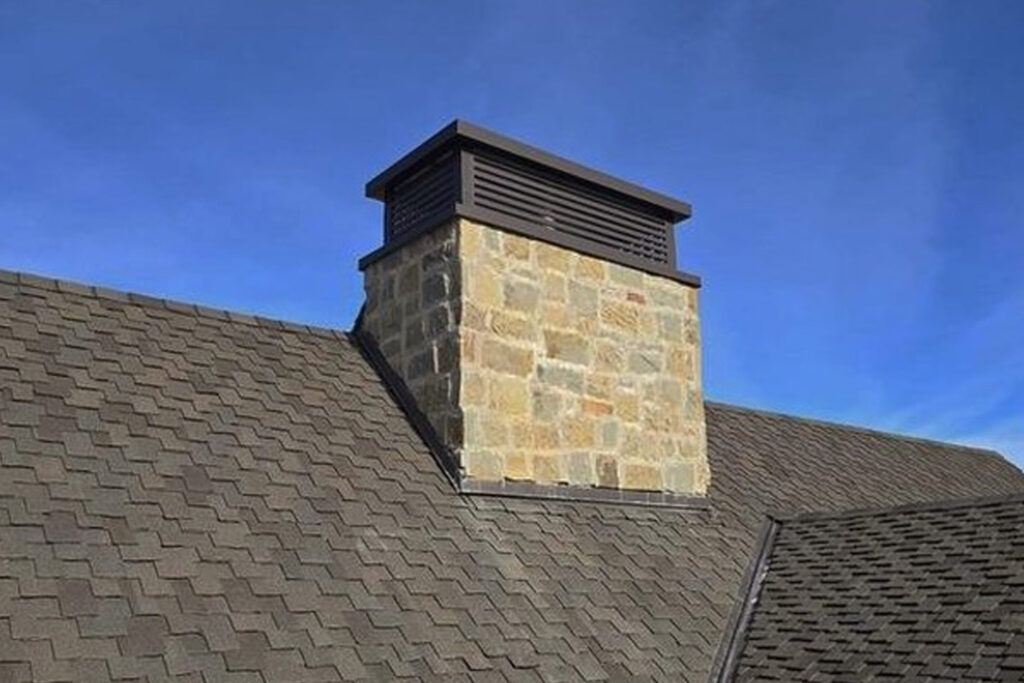

While the brick and masonry might look permanent, the open flue at the top is a significant vulnerability. Without a proper chimney cap, you are essentially leaving a front door open to the elements, local wildlife and structural decay.
In this guide, we will explore the different types of chimney caps available, the benefits a solid chimney cap provides and how to choose the perfect chimney cap for your specific needs. We’ll cover …
- How to protect against moisture
- How to improve energy efficiency
- How to choose the right chimney cap for your home
- How to take action before the next storm
Why Every Utah Home Needs a Chimney Cap
In Utah’s variable climate, a chimney cap is a very important line of defense. High altitudes and frequent freeze-thaw cycles along the Wasatch Front punish unprotected masonry, making a chimney cover crucial.
Here are the top four functions that your chimney cap provides.
1. Moisture Protection
Water is a chimney’s greatest enemy. Rain and snow can seep into the flue, causing the metal liner to rust and the mortar joints to deteriorate.
During the winter, this moisture freezes and expands, cracking the masonry from the inside out. A chimney cap acts as an umbrella, shedding water away from the flue and the entire chimney crown.
2. Wildlife and Pest Control
An open chimney is an open invitation for birds, squirrels and raccoons looking for a warm place to nest. These animals can bring in flammable nesting materials, create unpleasant odors and even die inside the flue, causing dangerous blockages.
A solid pack class a cap with a well-fitted mesh screen and other chimney cap accessories effectively keeps these uninvited guests out.
3. Spark Arresting and Fire Safety
For those who enjoy a wood-burning fireplace, a cap with a spark arrestor is a must. It features a mesh screen designed to catch burning embers before they can land on your roof or nearby dry leaves from tall trees, significantly reducing the risk of a house fire.
This is particularly important for homes near Utah’s dry foothills and canyons.
4. Improved Energy Efficiency
In the winter, an uncapped chimney allows cold air to sink into your home, forcing your heating system to work harder. A cap helps prevent these drafts in windy conditions, keeping your home more comfortable and your energy bills lower.
According to the U.S. Department of Energy, maintaining home seals is a key part of preventing environmental damage and loss of efficiency. This all starts with a chimney cap that is the right size and type for your home.
The Different Types of Chimney Caps
Choosing the right cap starts with understanding the different designs and their specific functions.
Single Flue vs Multi-Flu
Single-flue caps are designed to cover a single flue pipe. They typically attach directly to the flue tile using screws. Single flue chimney caps are the most common and cost-effective options for standard homes.
If your chimney has multiple vents, such as one for a fireplace and another for a furnace, mount multi-flue caps to provide a broad cover for the entire chimney top. Multi flue chimney caps often mount to the chimney crown (the concrete pad at the top), offering better overall protection for the masonry surface itself.
Specialized Functional Caps
Some chimneys suffer from poor airflow, causing smoke to back up into the house. Draft-increasing caps use the wind to create a vacuum effect that pulls smoke up and out more efficiently.
In windy areas such as Utah’s canyon benches, wind can push air back down the chimney. Anti-downdraft caps are engineered to redirect wind and prevent these cold gusts from entering your home.
Top-sealing dampers are a combination of a cap and a damper that seals the very top of the flue when the fireplace is not in use. It is far more airtight than a traditional throat damper, making it a favorite for energy-conscious homeowners.
Comparing Materials: Which One Lasts?
The material you choose will determine how often you need to replace your cap and how well it stands up to Utah’s snow and sun.
| Material | Durability | Best For | Typical Lifespan |
| Galvanized Steel | Good | Budget-conscious projects | 5–15 years |
| Aluminum | Rust-proof | Lightweight needs | Indefinite (if not stressed) |
| Stainless Steel | Excellent | All-around protection | 50+ years |
| Copper | Excellent | Premium aesthetics | 50+ years |
Stainless steel is the gold standard we often recommend for Utah residents. It is incredibly durable, resistant to rust and strong enough to keep out determined pests.
If you want a “set it and forget it” solution, stainless steel or copper is the way to go, and the price is right as well. They aren’t special order, so you can access them in no time.
How to Choose the Right One for Your Utah Home
When selecting a cap, consider these five key factors.
Size Matters
A cap that is too small can restrict airflow, leading to smoke problems, while one that is too large may not provide adequate protection against rain. You must accurately measure your flue tile or crown dimensions for single wall chimneys or other types.
Climate Exposure
If your home is near a canyon or on a high bench, you likely need a wind-resistant or anti-downdraft cap to handle high wind gusts.
Fuel Type
Make sure your cap is compatible with what you burn. Wood-burning fireplaces need a spark arrestor, while gas flues have different venting requirements.
Aesthetics
For high-end or historic homes, a decorative copper cap or a custom shroud can significantly increase curb appeal and property value.
Professional Installation
Roof work is dangerous, and fitting a cap to weathered masonry takes professional judgment. A poorly installed cap can blow off in an Utah windstorm, potentially damaging your roof or gutters. The mount design should be right, and it can come completely assembled for easy installation.
Understanding the Dangers of a Missing Cap
Leaving your chimney open is a gamble with your property’s value. Preventative maintenance helps you avoid the massive costs of restoration, which can reach up to $15,000, according to Angie’s List.
Without a cap, you risk …
- Damaged Liners: Water causes metal flue liners to corrode and clay liners to crack.
- Chimney Fires: Debris such as leaves or bird nests can catch fire inside the flue if they simply slide in.
- Mold Growth: Moisture inside the chimney can lead to mold that spreads into your home’s walls.
So, make sure you select a chimney cap that protects your home well and has an anchoring system that is either round or square, based on chimney design.
Take Action Before the Next Storm
A chimney cap is a small investment that prevents thousands of dollars in masonry repairs and water damage. By keeping out pests, moisture and debris, your fireplace will remain a safe and efficient feature of your home for years to come.
If you are unsure about the condition of your chimney or which cap is right for your home, it’s time to call the experts. At Ace Gutter, we provide professional Chimney Cap Installation & Replacement in Utah to help safeguard your investment.
Learn more about our rain gutter services and how they work with your chimney protection on our blog. Contact Ace Gutter today for a free estimate on chimney caps, gutter repair or any of our other exterior home services. Let us help you keep the Utah weather exactly where it belongs: outside.

Need Help? Get a free assessment
Get a call back within 1 hour
(During business hours).
Recent Posts

How to Know When Your Chimney Cap Needs Replacement
Can Leaf Guards Be Installed on Older Gutter Systems?
What Type of Gutter Guard Handles Shingle Granules and Fine Debris?
How Long Do Gutter Guards Last and When Should You Replace Them?

What Are Box Gutters and Which Homes Benefit From Their Higher Capacity?
Share
Recent Posts
How to Know When Your Chimney Cap Needs Replacement
August 28, 2026
Chimney caps sit at the top of the flue, where they block rain, snow, leaves, pests, and animals while still letting smoke and...
Can Leaf Guards Be Installed on Older Gutter Systems?
August 19, 2026
TL;DR: Older gutters can often support leaf guards when they are secure, properly sloped, free of major leaks, and attached to sound fascia....
What Type of Gutter Guard Handles Shingle Granules and Fine Debris?
August 11, 2026
TL;DR: Fine-mesh gutter guards are generally the strongest choice for controlling shingle granules and other small roof debris. Proper fit, steady water intake,...