June 18, 2025
Jud Smith
When you think about your roof, you may worry about missing shingles or leaky gutters. But what about your attic? Many homeowners in Utah overlook attic air flow. Healthy roofs need good attic ventilation. And the secret to that is typically your roof soffits and fascia.
At Ace Gutter Inc., we specialize in handling issues related to siding, roof soffits, and fascia. Drawing on our experience, we’ll explain why soffit vents and roof fascia matter. We’ll also walk you through how they keep your attic cool, dry, and healthy.
Let’s get started.
What is a soffit and fascia on a house?
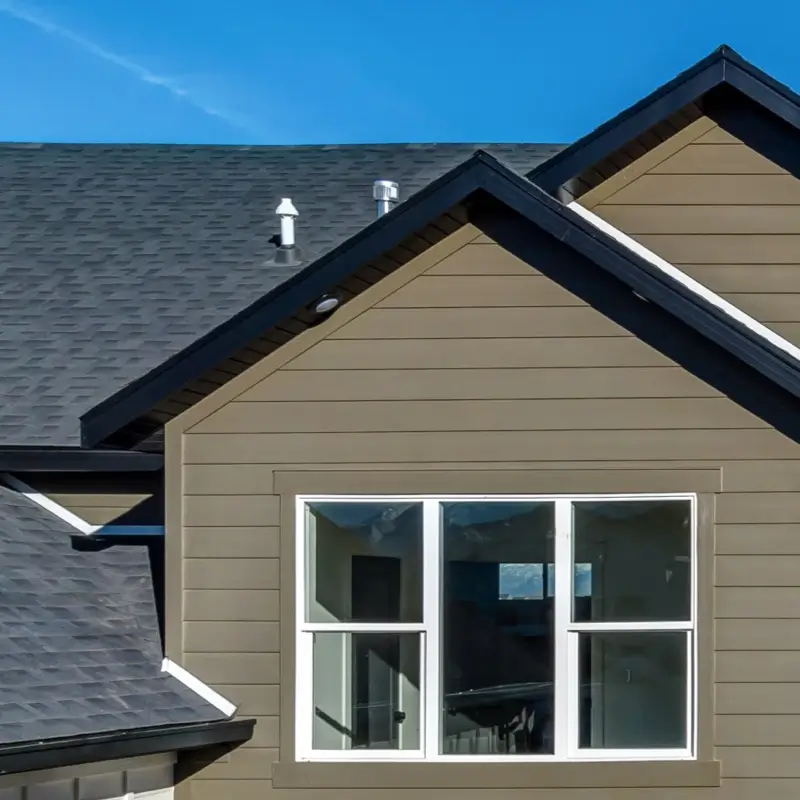
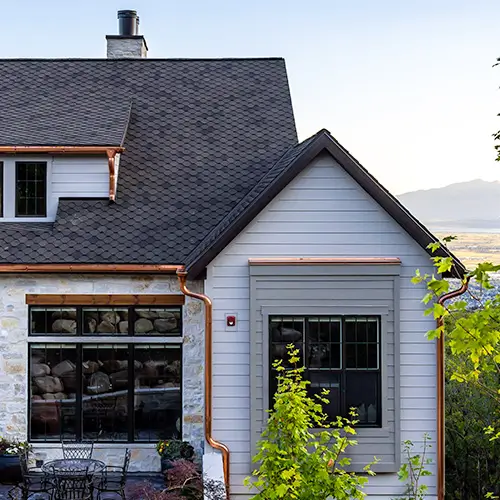
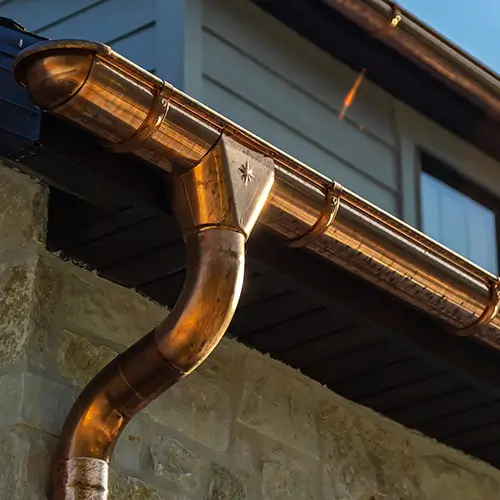
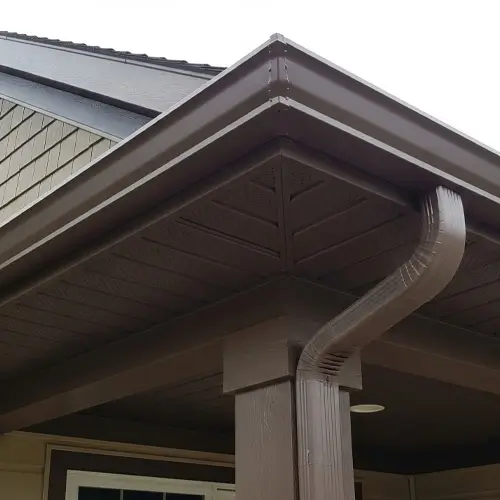
The soffit is the part of the roof you see when you stand under the eaves and look up. It bridges the gap between the siding and the roof’s edge. The fascia is the board that runs along the end of your roof. It’s where you attach gutters.
Both roof soffits and fascia help keep the house safe from the elements and maintain its curb appeal. But they play an equally critical role in attic ventilation. That, in turn, keeps mold and water damage at bay.
A Quick Glance at Attic Ventilation
Utah is a state of extremes, where summers are hot and winters are bone-chilling cold. This extreme weather creates big swings in attic temperature and moisture. But proper attic ventilation lets fresh air in and pushes stale air out.
Typically, the fresh air comes in through the roof soffits, and the exhaust is through the ridge or roof vents. The rule of thumb is to have at least one square foot of ventilation for every 150 to 300 square feet of attic space, depending on your insulation.
When your attic ventilation isn’t good enough, you may face:
- Higher Energy Bills: Poor attic ventilation traps hot or cold air, making your HVAC work extra hard. This sends your energy bills through the roof and strains your HVAC system. If left unchecked, you’re looking at frequent breakdowns and increased cost of repairs.
- Mold and Rot: Without good airflow, moisture builds up in your attic. This leads to mold growth and wood rot, damaging your home’s structure. Mold can lead to many health issues, including worsening existing conditions like asthma.
- Ice Dams: Utah typically gets several inches of snow overnight or in a short time. Improper ventilation keeps your attic too warm, melting roof snow. That melted snow refreezes at the edges, forming ice dams that can cause leaks and roof damage. While you can always use ice melt systems to address this issue, it’s a good idea to check your attic ventilation, too.
How Soffit Vents Work
Soffits are located under the eaves of your roof and bridge the gap between the exterior wall and the roof edge. Soffit vents bring in fresh air from outside. Think of them like tiny windows for your attic.
Most roofs need both intake and exhaust, and the soffit ventilation is the intake part. Here’s what happens:
- Outside air comes in through the soffit vents.
- This fresh air pushes up through the attic.
- Hot, moist air escapes at the top (through a ridge or roof vent).
This creates steady airflow under your roof, which helps regulate temperature and moisture. In Utah, where weather swings are intense, poorly maintained soffit ventilation could turn your attic into a sauna every summer, not to mention a mold magnet.
What About Roof Fascia?
Fascia is the backbone of the roof’s edge. Yes, it adds to your curb appeal and supports the rain gutters. But it also makes sure soffits have something to connect to. It seals up the edge so pests, birds, and water can’t find their way in.
When you’ve got a rotten fascia board, soffit vents can get blocked or damaged. Blocked vents can mess up the airflow in your attic, putting more pressure on your HVAC system.
If rainwater leaks behind the gutters, it soaks into the roof fascia. From there, it heads right for your soffits and attic, which are a perfect environment for mold growth.
Mold’s ability to grow in porous materials typically makes it harder to remove completely. Addressing the underlying moisture problem is the only way to address this issue. That’s why both your roof soffits and fascia need to be in excellent shape.
Common Roof Soffits and Fascia? Problems in Utah
Given how tough Utah’s overall weather is, you’ll need to watch out for roof soffits and fascia problems like:
- Blocked or Painted-Over Soffit Vents: Many Utah homeowners unintentionally block soffit vents during painting or insulation projects. When these vents can’t breathe, the air stops flowing through your attic, trapping heat and moisture. Without proper airflow, your attic quickly becomes a breeding ground for mold, mildew, and rot.
- Damaged or Missing Soffits: Sometimes, previous roof repairs or pests leave soffits broken or even completely missing. Birds, squirrels, or insects easily take advantage of these openings, nesting inside your attic and further damaging insulation, wires, and woodwork. Once soffits are compromised, airflow suffers, leading to significant moisture buildup and costly repairs.
- Rotten or Warped Roof Fascia: Utah’s intense sun, heavy rains, and freezing winters put enormous strain on fascia boards. Moisture exposure causes roof fascia to rot, warp, or crack over time. Damaged fascia compromises gutter support, allowing water to leak behind gutters and soak into soffits or walls, further escalating the problem.
- Gunked-Up Gutters: Leaves, dirt, and debris often clog gutters, causing overflow. Overflowing gutters saturate roof soffits and fascia repeatedly. This accelerates rot and creates persistent moisture issues, which eventually threaten your entire roof.
Signs Your Attic Needs Better Ventilation
How do you know if your attic ventilation isn’t doing its job? Look for these signs:
- Weird attic smells (moisture = mold).
- Frost or dampness on attic insulation.
- Peeling paint on roof edges (this is often near the fascia).
- Ice dams or thick icicles in winter.
- Hot and stuffy upstairs rooms in summer.
If you identify these problems, check on your attic vents, roof soffits, and fascia first. Call in a professional to have them inspected and repaired, or replaced (if required).
Final Thoughts
Don’t ignore your soffit vents or roof fascia. They protect your attic and your whole house from the inside out. Good soffit ventilation keeps air moving in and out of your attic, while healthy roof fascia stops water and pests, and holds the whole system together. Meeting these attic ventilation requirements can help you cut energy bills and prevent nasty mold problems.
If you haven’t checked your roof soffits and fascia in a while, you can count on Ace Gutter Inc. We’re primarily a gutter cleaning company, but we can also help you with siding, soffit, and fascia for small projects and repairs. Contact us now to see how we can help.

Need Help? Get a free assessment
Get a call back within 1 hour
(During business hours).
Recent Posts
Share
Recent Posts

How to Fix Standing Water in Gutters and Prevent Future Damage
September 8, 2026
TL;DR: Standing water in gutters is usually caused by debris buildup, poor gutter slope, blocked downspouts, or damaged sections that prevent water from...

What Type of Gutter System Works Best With a Metal Roof?
September 2, 2026
TL;DR: For metal roofs, fascia-style and wide K-style gutters are strong choices because they can handle fast runoff when properly sized. Focus on...

How to Know When Your Chimney Cap Needs Replacement
August 28, 2026
Chimney caps sit at the top of the flue, where they block rain, snow, leaves, pests, and animals while still letting smoke and...