September 2, 2026
Jud Smith
TL;DR:
For metal roofs, fascia-style and wide K-style gutters are strong choices because they can handle fast runoff when properly sized. Focus on gutter capacity, downspout sizing, material compatibility, and secure installation for reliable long-term drainage.
Picture this: it’s a heavy summer storm, and rain is racing down your metal roof in a steady stream. Within minutes, gallons of water are rushing toward the roofline. If your gutters cannot handle that speed and volume, water can spill over the edges, leaving your siding, foundation, and landscaping exposed to runoff.
That is why you need the best gutter system for a metal roof that can handle rapid water flow without struggling under heavy rainfall. Fascia-style gutters are a strong option as they sit close to the roofline and provide a direct path for fast-moving runoff. Their clean, streamlined profile also pairs well with the modern appearance of metal roofing.
Metal panels shed rain quickly, particularly during intense storms. A properly sized gutter system can capture that flow and direct it into the downspouts before it overshoots the edge.
This blog explains why fascia-style gutters work well with metal roofs, what features to look for, and what to consider before hiring a professional for installation.
What Are Fascia Style Gutters
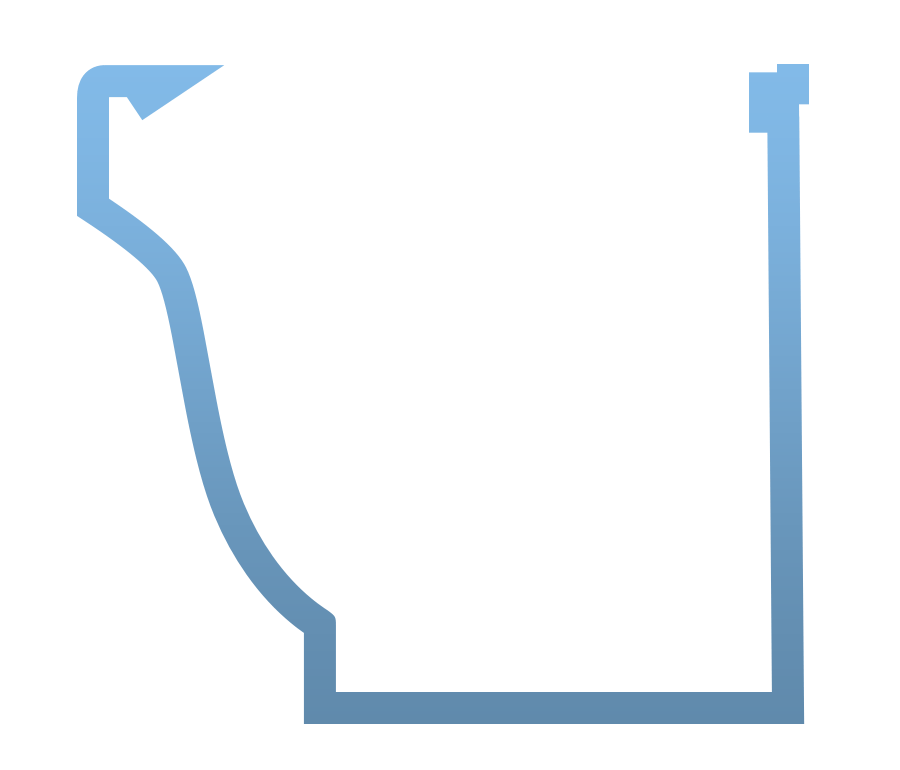
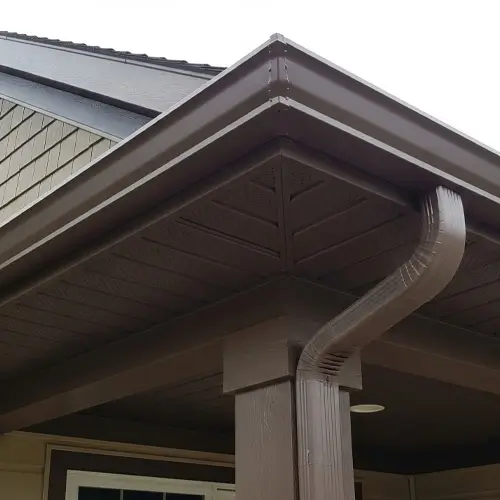
Fascia-style gutters replace or cover the fascia board along the edge of the roof. Instead of hanging below the roofline on separate brackets, they mount flat against the structure and act as both trim and drainage channel. That integrated design gives them a clean, continuous edge.
Different from Traditional Hanging Gutters
Traditional gutters attach with hangers spaced along the roofline. Depending on the system and installation method, fascia-style gutters may sit more flush against the fascia and create a more integrated appearance. Proper fastening and hanger spacing are important for supporting the gutter under water, snow, and debris loads.
Also Known as Straight Face Gutters
Many contractors call these straight face gutters because of their flat front face. The vertical profile creates a tidy, squared-off appearance that suits contemporary architecture. This shape also helps the gutter sit neatly against the roofline, which is especially useful when pairing it with clean-lined metal roofing.
Common Materials and Finishes
These gutters come in several metal-compatible materials, such as:
- Aluminum: lightweight, rust-resistant, and widely available
- Steel: strong and good for heavy runoff regions
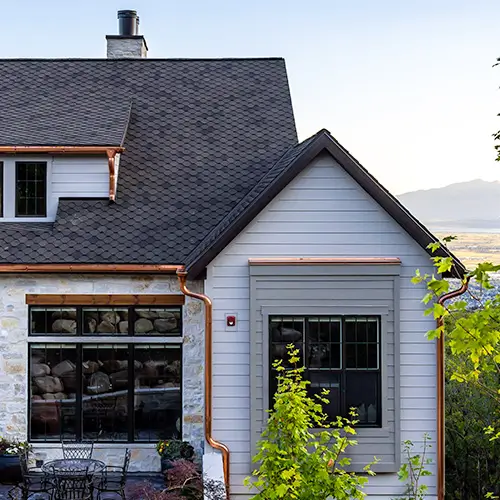
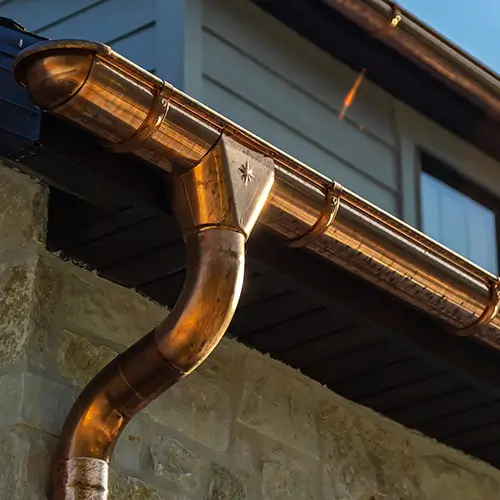
- Copper: premium look with a long service life
Key Takeaway: Fascia-style gutters are especially suitable for homes with clean rooflines, limited exposed fascia, or metal roofing where a more integrated drainage system is preferred. Their suitability still depends on roof pitch, runoff volume, and installation conditions.

Benefits of Straight Face Gutters for Metal Roofs
Straight face gutters offer practical and visual advantages that align well with metal roofing. Their larger channel and flush mounting solve the two biggest challenges metal roofs create: speed and volume of water.
Clean, Modern Rooflines that Complement Metal Roofing
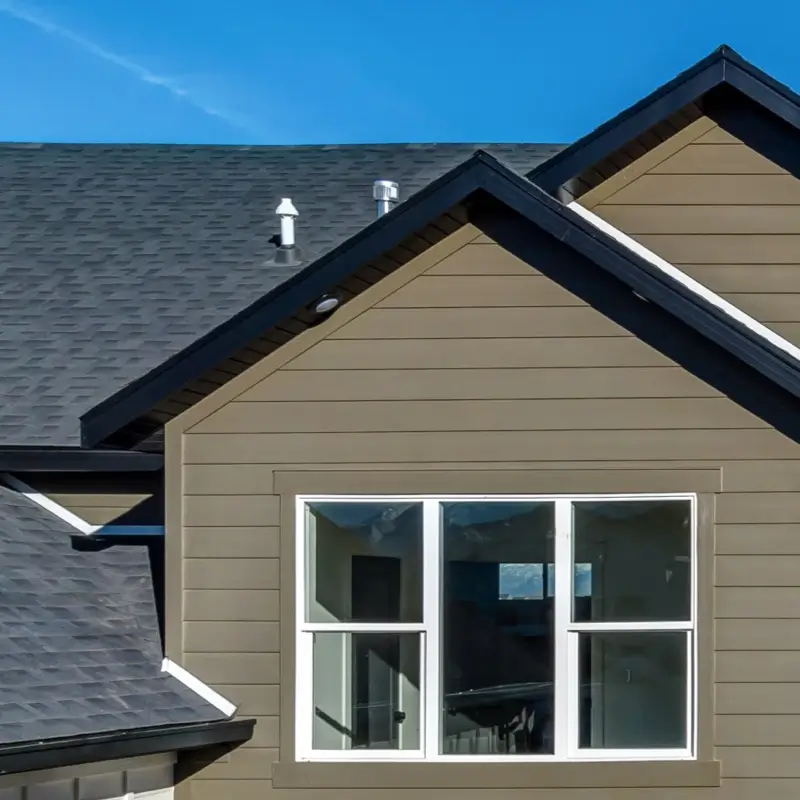
Metal roofs have a sleek, streamlined appearance, and flat-faced gutters help maintain that clean look. Instead of standing out as a separate add-on, they create a crisp roofline that feels integrated with the overall design.
Higher Water Capacity for Fast Runoff
Fascia-style gutters can be designed with a deep, wide channel that helps manage the fast-moving runoff metal roofs can produce during heavy rain. Actual capacity depends on the gutter’s dimensions, downspout sizing, and overall system design.
Fewer Visible Brackets
Since fascia gutters mount directly to the roofline, most fasteners stay hidden behind the front face. This creates a cleaner exterior appearance while reducing exposed areas where debris can collect or corrosion may begin.
Practical Benefit: Because straight face gutters sit close to the roofline, they can provide a more integrated drainage setup for metal roofs while keeping the exterior profile neat and unobtrusive.
Comparing Gutter Profile Options for Metal Roofs
Metal roofing moves rainwater quickly, so gutter selection should balance water-handling capacity with the property’s architectural style and budget. Here’s a table that can simplify the blur:
| Gutter Profile | Capacity | Appearance | Metal Roof Suitability | Cost |
| Fascia-Style | High | Flat, modern | Excellent | Mid to high |
| K-Style | Medium to high | Decorative, crown-molding look | Good | Low to mid |
| Half-Round | Medium | Rounded, classic | Better suited to traditional styles | Mid to high |
Capacity and Appearance Trade-Offs
Fascia-style prioritizes water volume and a clean, minimal appearance. K-style (being one of the most dominant styles in the US) adds decorative detail while retaining good capacity. Half-round offers the most traditional look, but its rounded channel provides less capacity than the other profiles at a similar width.
Pro tip: For metal roofs, fascia-style and K-style are generally the better fits for handling fast runoff. Half-round works well where architectural character matters more, particularly on historic homes or properties with copper accents.

Choosing the Best Gutter System for Metal Roofs
A high-capacity profile with compatible metal and a strong mount is the clear recommendation for metal roofs. Beyond that headline choice, here are three technical factors that determine long-term performance:
Managing Rapid Runoff and Overshoot
Metal roofs release water faster than shingles, so the gutter system has to capture and move runoff quickly. A wider channel paired with correctly sized downspouts helps drain water before it backs up or shoots past the roof edge. In heavy storms, choosing a slightly larger gutter width can provide useful extra protection against overshoot.
Preventing Galvanic Corrosion
Metal compatibility is just as important as gutter size. When incompatible metals touch, galvanic corrosion can eat away at fasteners, seams, and connection points over time. Matching the gutter material with the roof and hardware helps prevent that reaction. For example, aluminum gutters with aluminum brackets avoid the problems that can occur when steel and copper come into contact.
Handling Snow and Ice Loads
In cold climates, gutters also need to handle snow and ice sliding off metal roofs. Since metal roofing is slick, sudden snow movement can put extra pressure on poorly anchored gutters. Direct-mount fascia systems offer stronger support by fastening to the framing, while snow guards can slow snow movement and reduce strain on the gutter system.
Before You Decide:
- Check roof size and runoff volume
- Match gutter and roof materials
- Size downspouts for peak rainfall
- Confirm secure mounting and hanger spacing
- Account for local snow and ice conditions

How to Install Fascia Gutters
Fascia gutter installation follows a straightforward process, from initial preparation to final fitting. Completing each stage correctly helps prevent leaks, sagging, and poor drainage later.
Measuring and Preparing the Fascia
Begin by checking the fascia board for rot, cracks, or warping. Replace any damaged sections before installation. Measure each gutter run carefully to maintain proper alignment and avoid unnecessary material waste.
Securing Brackets and Hangers
Attach hidden brackets to solid framing rather than relying on the fascia surface alone. Correct spacing helps distribute the weight of water evenly across the system. For two-story properties, allow for additional labor and access equipment when planning the installation.
Setting the Right Slope for Drainage
Gutters need a slight slope toward each downspout, with the drainage path carrying water to a sloping final grade at least 5 feet from the foundation or to an underground catchment system at least 10 feet away. Avoid installing gutters completely level simply to match the clean lines of a metal roof. A proper slope keeps water moving through the system instead of allowing it to collect inside the gutter.
Installation Check:
- Confirm the fascia is structurally sound
- Measure each gutter run accurately
- Secure brackets into solid framing
- Maintain a consistent slope toward downspouts
- Test water flow before completing the installation
Working With Professional Fascia Gutter Installers
Utah properties can experience heavy rain, snow, and seasonal weather shifts, making proper gutter installation especially important for metal roofs. This is where experienced fascia gutter installers can account for fast runoff, snow movement, fastening requirements, and material compatibility.
Before hiring a contractor, ask:
- Have you installed fascia gutters on metal roofs in Utah before?
- What gutter material will you use, and is it compatible with my metal roof?
- How will you size the downspouts for rapid runoff?
- What slope will you use, and how will you verify it during installation?
- Can you provide references from similar metal-roof projects?
- What material and labor warranties are included?
Pro tip: You can also do these before hiring:
- Check reviews, licensing, and insurance.
- Ask how the selected gutter profile handles leaves and debris and whether micro-mesh gutter guards could reduce cleaning needs.
- Get the material specifications, installation details, and both material and labor warranties in writing before work begins.
Bottom Line: The installer matters as much as the gutter profile itself. Proper sizing, secure attachment, and correct drainage are what determine long-term performance.
Final Thoughts
Choosing the right gutter system for a metal roof comes down to handling fast runoff, using compatible materials, and securing the system properly. Fascia style gutters and wide K-style gutters can provide the capacity needed for heavy rainfall while complementing the clean appearance of metal roofing. Proper slope, compatible metals, and correctly sized downspouts further support reliable drainage.
At Ace Gutter, we bring hands-on experience to metal-roof gutter projects for homes and businesses. Our team can assess your roof, recommend a suitable gutter system, and handle the installation with attention to fit, drainage, and long-term performance.
Contact us for more details.
Frequently Asked Questions
What gutter system works best with a metal roof?
A properly sized fascia-style or wide K-style gutter can work well with a metal roof. The best option depends on roof size, runoff volume, downspout capacity, climate, and installation requirements.
Are fascia style gutters better than traditional gutters?
Fascia-style gutters offer a clean, streamlined look that works well with many modern roofs. Traditional K-style gutters are another strong option, particularly when a more decorative front profile suits the home’s architecture. The better choice depends on gutter size, installation method, and the property’s drainage needs.
Can fascia gutters handle metal roof runoff?
Yes, fascia gutters manage metal roof runoff well when sized correctly. Their deep, wide channel carries high water volume, and pairing them with properly sized downspouts prevents backups.
Do fascia gutters cost more to install?
Fascia gutters can require more installation work because they need precise fitting and secure attachment along the roofline. The final installation depends on factors such as the gutter material, home height, and condition of the fascia.
How long do straight face gutters last?
The lifespan of straight face gutters depends on the material, installation quality, climate, and maintenance. Routine cleaning and inspections can help extend the life of the system, while materials such as copper generally offer greater longevity than standard aluminum.

Need Help? Get a free assessment
Get a call back within 1 hour
(During business hours).
Recent Posts
Share
Recent Posts

What Type of Gutter System Works Best With a Metal Roof?
September 2, 2026
TL;DR: For metal roofs, fascia-style and wide K-style gutters are strong choices because they can handle fast runoff when properly sized. Focus on...

How to Know When Your Chimney Cap Needs Replacement
August 28, 2026
Chimney caps sit at the top of the flue, where they block rain, snow, leaves, pests, and animals while still letting smoke and...
Can Leaf Guards Be Installed on Older Gutter Systems?
August 19, 2026
TL;DR: Older gutters can often support leaf guards when they are secure, properly sloped, free of major leaks, and attached to sound fascia....