July 3, 2025
Jud Smith
Summers in Utah can reveal the limitations of gutter guards, particularly if you were hoping they would solve all your drainage problems without any maintenance.
These guards, from mesh, foam, or brush types, can struggle when heatwaves, sudden summer storms, or long stretches of dry, dusty wind bring everything from pine needles to silt down onto your roof.
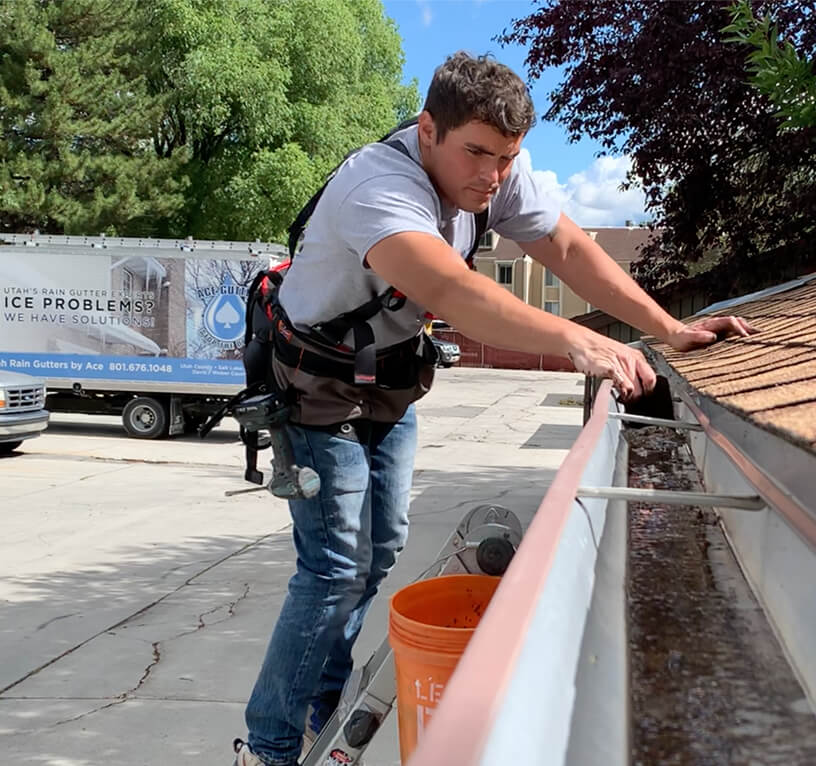
Even the best-rated gutter guards need routine attention. Most roofing professionals recommend giving your gutter guards a thorough cleaning and inspection at least twice a year.
If you’re planning to install gutter guards in Salt Lake City for the first time, make sure you choose a system that’s right for your roof and yard. Otherwise, you might find yourself cleaning out those guards several times each summer.
In this post, we’ll discuss the most common gutter guard problems that show up during the summer and walk you through clear, practical steps to help you stop them from coming back.
Here we go:
1. Clogging from Seedlings, Pollen, and Debris
You might assume gutter clogs are mostly a fall issue, but summer can be just as messy. Trees like cottonwood, maple, and pine drop a surprising amount of tiny debris all season long. If your gutter guards don’t have a tightly woven mesh, small enough to catch seeds and pollen, you’ll still wind up with blocked gutters.
Clean Out Buildup Before It Becomes a Blockage
Install gutter guards with a micro-mesh design, made so the holes are smaller than a grain of rice. These guards block nearly all fine debris, even cottonwood fluff and pine needles. During peak summer, set a reminder to check your gutters every month to make sure they’re flowing as they should.
2. Heat Warping and Material Breakdown
The summer sun in states like Utah, Arizona, or Texas can be harsh on low-quality plastic gutter guards. These cheaper options may start to warp, crack, or go brittle after only a few summers because of strong UV rays.
Choose Heat-Resistant Gutter Guard Materials
Some of the best-rated gutter guards are made from UV-resistant materials like powder-coated aluminum or stainless steel. These materials rarely warp or crack, so you’ll replace your guards less often and deal with fewer problems over time.
3. Pest Intrusions
Warm, dry gutters can attract critters during the summer, like birds, squirrels, or insects looking to build a nest. Gutter guards with bent edges, loose panels, or gaps make it easy for these animals to get inside, leading to everything from bird nests to wasp hives.
Seal Up Entry Points to Keep Pests Out
Check your gutter guard installation regularly for gaps, loose fittings, or sections that pests could squeeze through. If birds or squirrels keep finding their way in, consider upgrading to a guard with reinforced metal edges or built-in fasteners that clamp tightly to your gutters. This makes it much harder for animals to pry up the guard or sneak underneath.
4. Improper Installation
Even the best-rated gutter guards with high-quality mesh or aluminum can fail if they aren’t installed correctly. If guards aren’t angled to match your roof line, water may collect and overflow. When they’re fitted loosely, leaves and debris can sneak under the edges. Skipping installation steps like these is a common reason for summer gutter problems.
How to Install Gutter Guards the Right Way
If you’re confident with tools, installing gutter guards yourself is possible. Just follow the manufacturer’s instructions closely and fasten the guard so it’s flush with the roof.
For homes with complex roof shapes or tall second stories, professional gutter guard installation is the safer choice. An expert will set the proper angle for drainage, lowering the chance of water overflow or leaks in future storms.
5. Water Overflow During Heavy Rains
Heavy summer storms can overwhelm standard gutter guards if their design slows rainwater from entering the gutter fast enough. When this happens, water spills over the edge, which can damage your home’s foundation or wash away soil and plants in your yard.
Adjust Slope and Guard Type for Better Flow
If you live somewhere with frequent downpours, choose the best-rated gutter guards for high water volume. These models often have built-in channels, a sloped design, or wide perforations that help direct even heavy rain quickly into your gutters, so you’re less likely to see water spilling over during the next big storm.
Are Gutter Guards Worth It in the Long Run?
Gutter guards are a smart investment if you choose a style that matches your roof and have them set up properly by a professional. If your home sits under lots of trees or you battle clogs every season, gutter guards can save serious time and cut down on risky ladder work.
However, even the best-rated gutter guard still needs routine checks. Plan to inspect and rinse them off every spring and fall to keep water flowing freely.
Cheaper plastic guards can warp in the sun or let small debris through, sometimes making clogs even worse. Go for sturdy metal guards and professional installation if you are in Salt Lake City; you’ll face fewer problems and much less gutter grit over the years.
How Much Do Gutter Guards Cost?
The price of gutter guards depends on the material, brand, and whether you’ll be installing them yourself or bringing in a professional. Here’s what you can expect to pay:
- DIY guards: $0.50–$3 per linear foot.
- Professionally installed: $7–$12 per linear foot.
- High-end or custom systems: $20+ per linear foot.
Compared to the price of fixing water-damaged fascia, repairing your foundation, or paying for frequent gutter cleanings, installing them professionally can save you money in the long run.
Final Thoughts
Summer can be tough on your gutters, even if you have guards in place. Fortunately, most issues are avoidable with proper materials, routine inspections, and correct installation. If you’ve noticed problems like overflow, debris buildup, or warping, it might be time to reconsider your current setup.
When your gutter guards stop doing their job, it’s time for a smarter solution. Call us at (801 676-1048) or fill out our form, and Ace Gutters Inc. will find the right gutter system for your home. We’ll thoroughly inspect your system and make it ready for heavy rain, debris, and whatever Utah summer throws your way.

Need Help? Get a free assessment
Get a call back within 1 hour
(During business hours).
Recent Posts

6 Factors That Can Shorten the Lifespan of Your Gutters

What to Know Before Installing Leaf Guards on Your Existing Gutter System?

How to Fix Standing Water in Gutters and Prevent Future Damage

What Type of Gutter System Works Best With a Metal Roof?

How to Know When Your Chimney Cap Needs Replacement
Share
Recent Posts
6 Factors That Can Shorten the Lifespan of Your Gutters
September 24, 2026
TL;DR: Weather, clogs, poor maintenance, installation issues, material quality and physical damage can shorten gutter lifespan. Regular upkeep and timely repairs can help...
What to Know Before Installing Leaf Guards on Your Existing Gutter System?
September 16, 2026
TL;DR: Leaf guards can usually be installed on existing gutters if the system is secure, properly sloped, and draining correctly. The right guard...
How to Fix Standing Water in Gutters and Prevent Future Damage
September 8, 2026
TL;DR: Standing water in gutters is usually caused by debris buildup, poor gutter slope, blocked downspouts, or damaged sections that prevent water from...