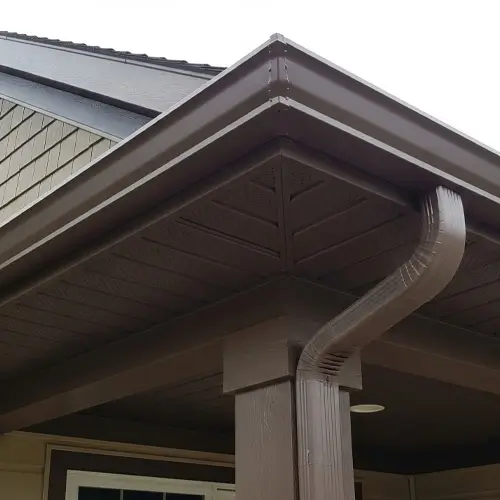
October 1, 2025
Jud Smith
Utah ranks among the highest-risk states in the country for wildfires. No surprise to anyone who’s lived through a dry, windy summer here.
Most homeowners tackle the big stuff like clearing brush, installing fire-resistant landscaping, and possibly even upgrading to a metal roof. But what usually gets missed is something smaller and just as risky: your gutters.
If your home sits near a canyon, a tree line, or a patch of dry grass, your gutters could be the weak link in your fire prep. Wildfires don’t move in neat lines; wind can carry embers for miles. And when those embers land in a gutter full of dry leaves, pine needles, or bird nests… You know where this is going.
Luckily, this is one of the easier problems to fix. You don’t need a full remodel or expensive upgrades.
Let’s walk through how gutters factor into fire risk, and how regular gutter cleaning and gutter protection systems can help keep your home safer.
Utah’s Wildfire Reality
Utah’s wildfire season is getting longer, hotter, and more dangerous.
Higher temperatures, lower snowpack, and more frequent droughts have made many parts of Utah, especially in the Wasatch Front, southern Utah, and the foothill regions, more vulnerable to wildfires.
It’s not just remote cabins at risk. Fires can and do jump highways, tear through neighborhoods, and destroy homes in well-developed areas.
According to the Utah Division of Forestry, Fire, and State Lands, 55% of wildfires in 2024 were human-caused, meaning many start near roads, parks, and backyards.
So, even if you’re not “off the grid,” your home could still be in danger.
How Gutters Become a Fire Hazard
It’s not the gutters themselves that are the problem. It’s what ends up inside them.
During wildfires, embers can travel for miles on the wind. If those embers land in a gutter full of debris, they light up. What starts as a few glowing bits can quickly turn into a fire crawling up the side of your house.
In Utah, gutters can collect:
- Dry pine needles
- Aspen and maple leaves
- Dust and dirt that hold moisture at first, but dry out fast in the sun
- Bird nests, insect buildup, and other animal debris
- Loose bits of roofing material
Since gutters are out of sight, most people don’t think about them until they’re clogged or overflowing. But they sit right under the roofline. Once something catches fire there, it can spread to the eaves, attic, or shingles.
At that point, you’ll have a much harder time putting a stop to it.
Why Utah Homes are Especially Vulnerable
Utah’s conditions make gutter systems a bigger fire concern than in many other states. Three main factors stack the odds:
1) Dry Climate
Utah’s climate is naturally dry, and with frequent droughts, things dry out even faster. Leaves and pine needles that land in your gutters don’t stay damp for long. Even after a decent rain, a stretch of warm, sunny days can turn the debris into perfect fire fuel.
2) Strong Winds
High winds are a regular part of Utah weather, with gusts topping 50 mph in many areas. Not only do these winds push wildfires to spread faster, but they also carry embers long distances and blow fresh debris into your gutters.
3) Close to Wildlands
Utah has a lot of open space. Whether you live near a canyon, a wooded hill, or a dry patch of grass, chances are you’re closer to potential wildfire fuel than you realize. The scenic views come with more exposure to wind-blown embers.
How Gutters Can Help Prevent Fires IF You Keep Them Clean
A clean, well-maintained gutter system can help protect your home during a wildfire. Here’s how.
1) Keep Fuel Off Your Roofline
This is one of the simplest, most effective wildfire prevention tips you can follow. Clean gutters don’t give embers anything to land on or ignite. If your gutters are clear, the wind-blown sparks have nowhere to go. It’s one of the simplest ways to remove dry, flammable material from your home’s exterior.
2) Keep Water Flowing Where It Should
You may not think of water drainage as a fire issue, but it plays a role. Poor drainage can lead to cracked foundations or dry crawlspaces, both of which create air gaps that can draw in embers. Working gutter systems keep water moving away from your home and reduce those weak spots.
3) Protects the Value of Fire-Resistant Roofing
If you’ve invested in a Class A fire-rated roof or a metal system, you want it to do its job. But if the edges are packed with debris, your investment is compromised. Clean gutters help your fire-resistant roof perform the way it was intended, instead of giving fire an easy entry point.
Gutter Maintenance Tips for Wildfire Season
You don’t need fancy equipment to fire-proof your gutters. But you do need consistency.
1) Clean Your Gutters Twice a Year
Plan a full gutter cleaning in late spring and again in early fall. Spring cleaning clears out pollen, seed pods, and early leaves, while fall gets rid of the heavier leaf drop. Doing this right before peak wildfire season makes sure your gutters aren’t holding dry fuel when embers are most likely to fly.
2) Add Mid-Summer Inspections
During peak fire season (July through September), do a quick visual check every few weeks. Windstorms can blow debris into the gutters overnight, especially if you live near trees or open space. Even if you don’t see clogs, look for dry material sitting on top of the gutter line.
3) Cut Back Overhanging Branches
Branches hanging over your roof give embers an easy landing spot. Trim trees so no branches reach within 10 feet of your roofline. This reduces debris in your gutters and creates a cleaner “defensible zone” around your home.
4) Hire Professional Help When Needed
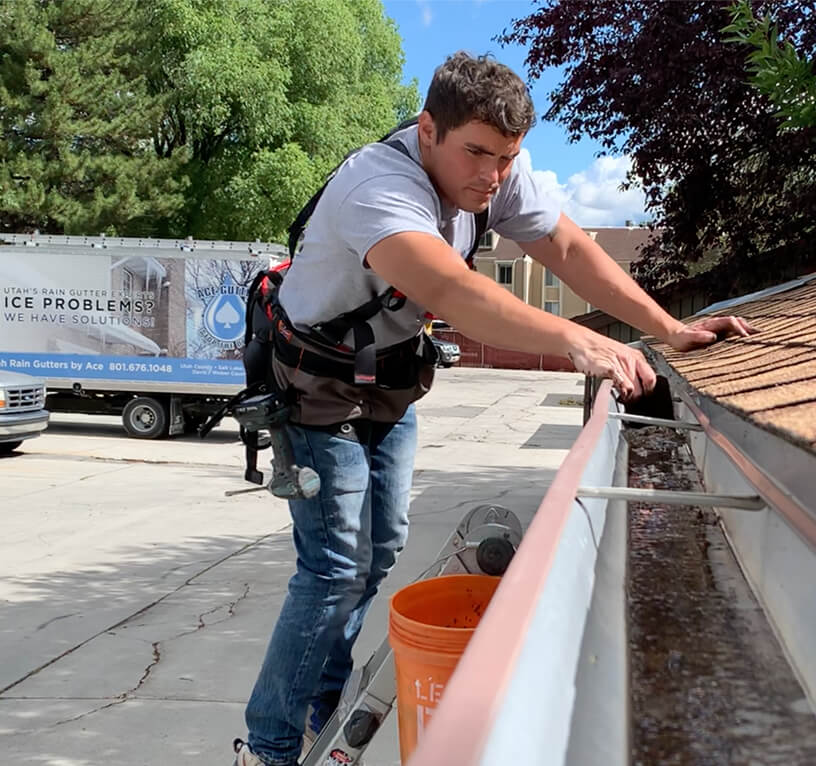
If you’re not comfortable on a ladder, or if your home has a steep roof or second story, bring in a professional. Many gutter cleaning companies in Utah now offer fire safety inspections or bundle cleanings with roof and vent checks. A quick service call could save you a lot of stress later.
Bonus: What About Gutter Guards?
Gutter guards can help reduce buildup, but they’re not a cure-all. In fact, they can sometimes give a false sense of security if you don’t stay on top of them.
Here’s what to know:
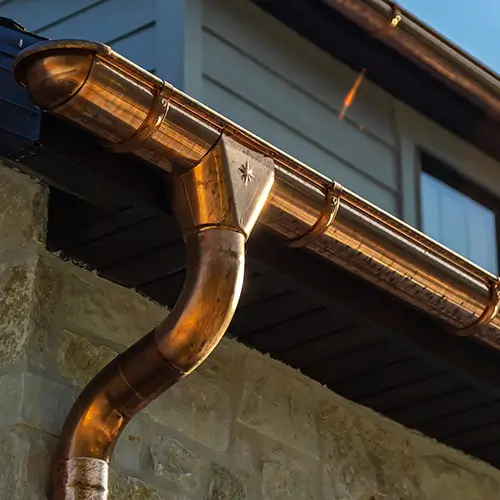
- Choose metal, not plastic. Plastic guards can melt in extreme heat and may even become part of the problem during a fire. Opt for non-combustible metal options.
- Watch for trapped debris. Some guards (mostly mesh and screen types) can collect pine needles or leaves on top, forming a dense, flammable mat.
- Keep an eye on water flow. Gutter guard systems should help water move freely. If water is spilling over the edge or pooling near your foundation, something is likely clogged underneath.
For the best results, pair gutter guard installation with regular inspections and cleanings. Check that water still flows freely through the system and that nothing is collecting where embers could land.
Final Thoughts
According to guidelines from the National Fire Protection Association (NFPA), the first five feet around your home, including the roof edge, are the most important zone to keep free of flammable material.
Your gutter protection systems fall squarely into that zone.
If you live in wildfire-prone areas of Utah, clean and inspect your gutters regularly. Upgrade the material if needed. And make them part of your wildfire defense plan.
Not sure where to start? Ace Gutter can help. We offer gutter cleaning, repairs, and replacements across Utah: perfect for getting your home ready before the wildfire season.
Schedule a service today and give yourself one less thing to worry about.

Need Help? Get a free assessment
Get a call back within 1 hour
(During business hours).
Recent Posts
How to Improve Drainage and Water Flow in Aging Gutter Systems?

6 Factors That Can Shorten the Lifespan of Your Gutters

What to Know Before Installing Leaf Guards on Your Existing Gutter System?

How to Fix Standing Water in Gutters and Prevent Future Damage

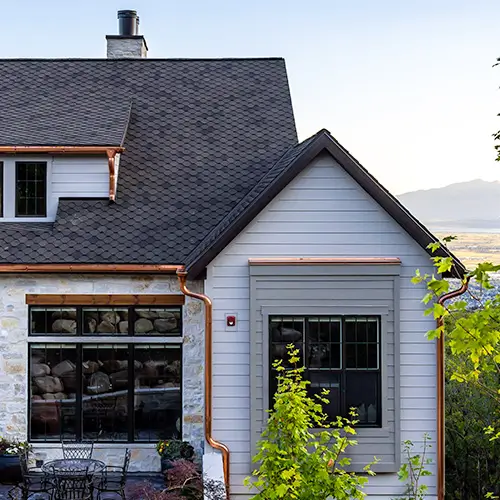
What Type of Gutter System Works Best With a Metal Roof?
Share
Recent Posts
How to Improve Drainage and Water Flow in Aging Gutter Systems?
October 2, 2026
If you are seeing puddles around your foundation, streaks along the siding, or soggy spots in the yard, your gutters may be struggling...
6 Factors That Can Shorten the Lifespan of Your Gutters
September 24, 2026
TL;DR: Weather, clogs, poor maintenance, installation issues, material quality and physical damage can shorten gutter lifespan. Regular upkeep and timely repairs can help...
What to Know Before Installing Leaf Guards on Your Existing Gutter System?
September 16, 2026
TL;DR: Leaf guards can usually be installed on existing gutters if the system is secure, properly sloped, and draining correctly. The right guard...