September 16, 2026
Jud Smith
TL;DR:
Leaf guards can usually be installed on existing gutters if the system is secure, properly sloped, and draining correctly. The right guard can reduce debris buildup and maintenance, but damaged gutters should be repaired before installation.
Cleaning gutters twice a year can become a frustrating chore. You can try climbing a ladder to scoop out wet leaves, pine needles, and roof grit, but that is messy work, and it rarely stays done for long.
For many homeowners, that ongoing maintenance is what makes leaf guards for existing gutters worth considering. A gutter guard installation on gutters already in place can be a practical upgrade that helps reduce clogs and keeps water moving where it should.
The good news is that adding guards to gutters already in place is a practical, affordable improvement in most cases. Guards fit over current channels, block debris, and let rainwater flow freely. If the existing gutters are in good condition, they can stay in place with a layer of protection added on top.
This blog walks through the real benefits, how to check whether gutters are ready, and the guard styles worth knowing. It also covers installation basics, the DIY versus professional decision, and light upkeep, so homeowners can choose with confidence.
Benefits of Leaf Guards
The most prominent benefit of leaf guard systems is less time on a ladder. When debris stays out, gutters stay clear, and that changes how a home is cared for. The interest in these products will only keep rising. Statistically speaking, it’s expected to reach USD 1.42 billion by 2030.
Here is what quality guards deliver over the long run:
- Fewer cleanings each year: Leaf guards can reduce how often gutters need to be cleaned, though periodic checks are still recommended.
- Fewer clogs and overflows: Blocked gutters send water spilling over the edge. Guards keep water moving toward the downspout.
- Protection for fascia and foundation: Overflow rots wood fascia and pools near the foundation. Keeping gutters clear helps steer water away from both.
What This Means For You: Leaf guards reduce debris buildup and help gutters move rainwater away from your home more consistently.
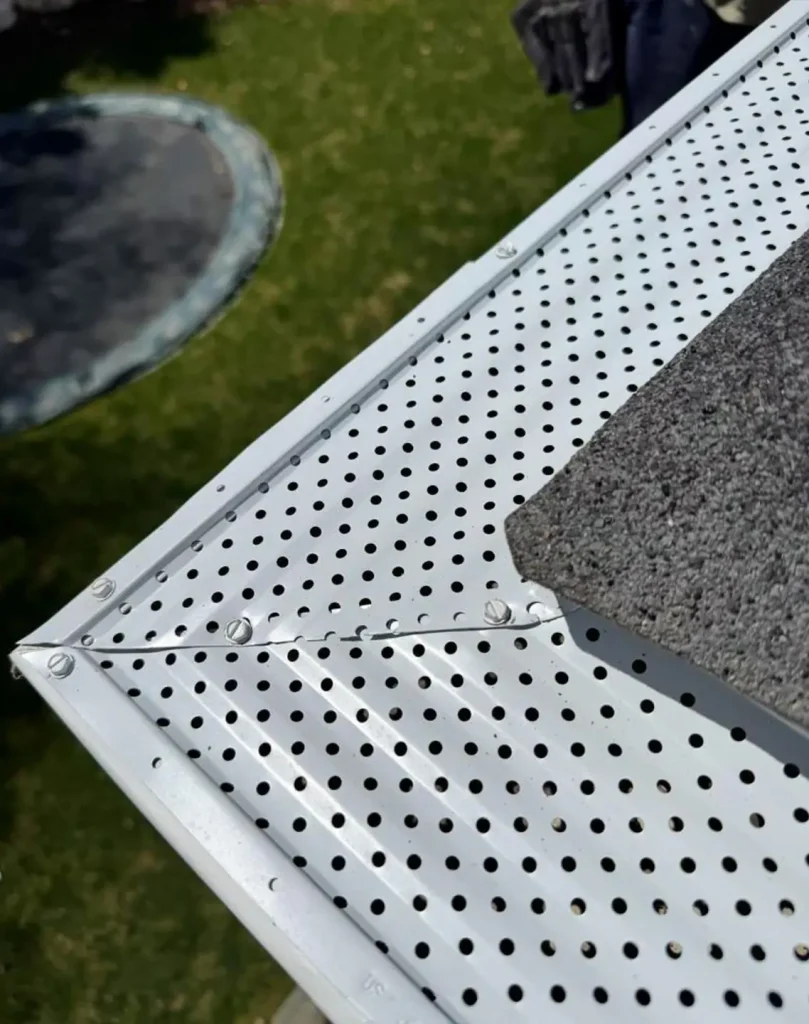
Assessing Your Current Gutters
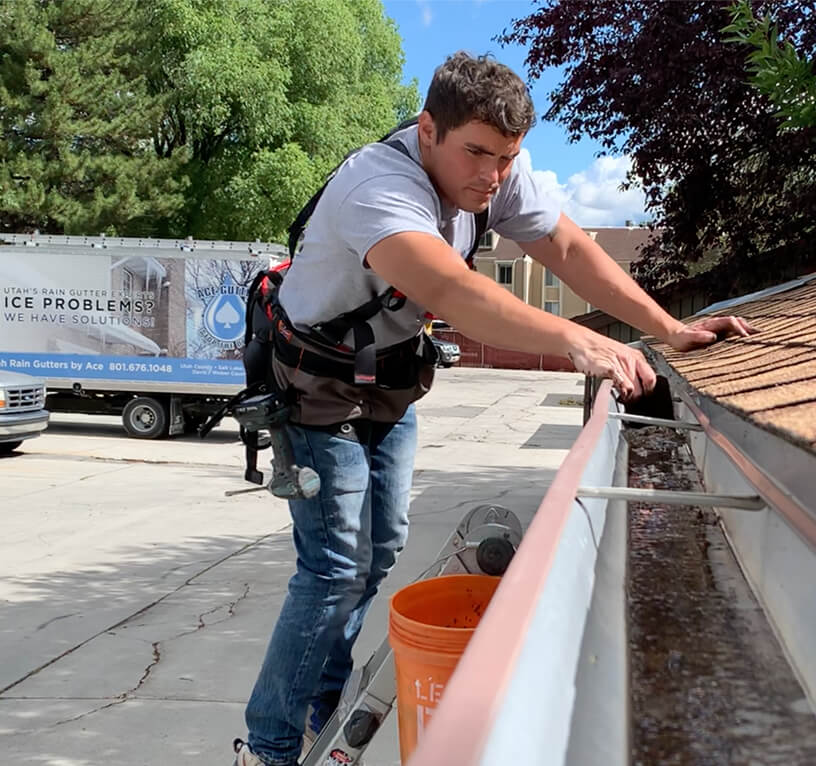
Before buying anything, an honest existing gutter inspection shows whether guards will work. Guards only perform well on gutters that are sound and draining properly. Adding them to a failing system may hide problems instead of solving them.
Start with these checks:
Check for Rust and Sagging
Walk the perimeter of the home and look up. Rust spots, peeling metal, or sections pulling away from the roofline signal trouble. Sagging usually means loose fasteners or waterlogged gutters that have carried too much weight. These issues need attention first.
Confirm Proper Slope and Flow
Gutters rely on a slight slope to move water toward downspouts. Pour a bucket of water into one end and watch where it goes. If water pools instead of draining, the slope is off. Guards will not fix a drainage problem, so correct it beforehand.
Note Repairs Needed First
Make a short list of fixes, such as resealing seams, tightening hangers, or replacing damaged sections. Handling these repairs before adding guards protects the investment and gives the new system a solid base to sit on.
Common Mistake: A common mistake is installing guards before fixing sagging, leaks, or poor gutter slope. Leaf guards help manage debris, but they do not correct problems with the gutter system itself.
How Leaf Guards Work
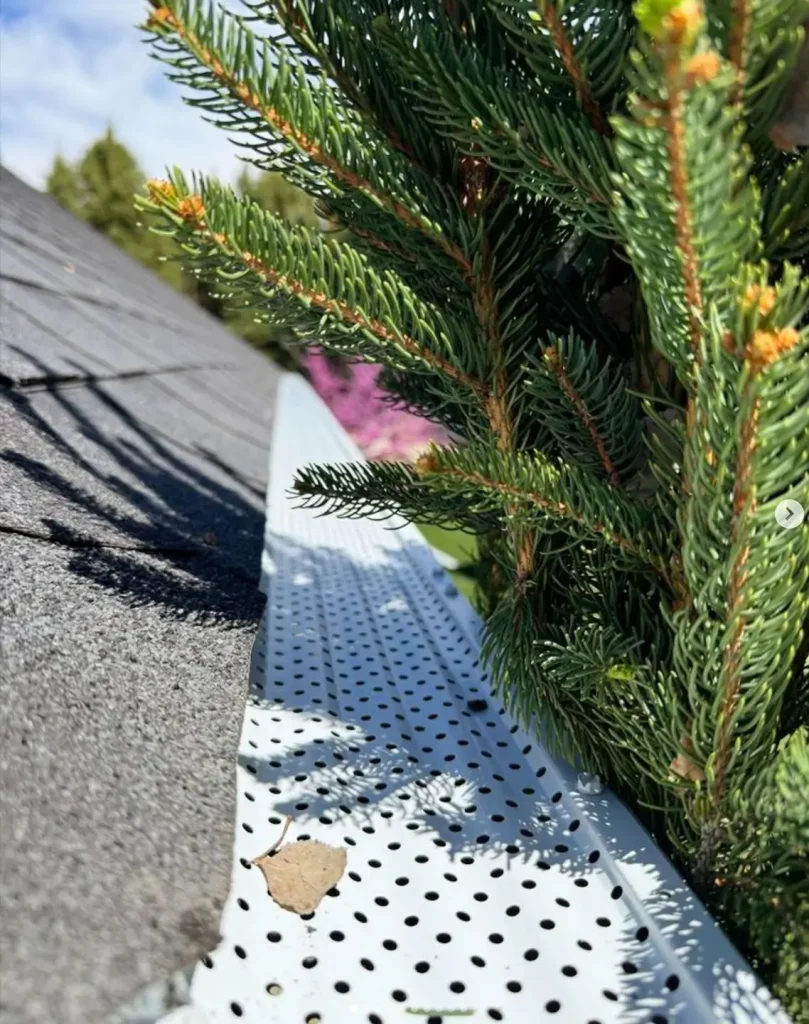
Leaf guards use a simple idea to cover the top of the gutter. This prevents debris from settling inside while water still drains. That design is why they suit existing gutter systems so well. Most guards sit right on top of current channels without changing how the gutters function.
Here’s how leaf guards typically work:
- Blocking leaves and debris: A screen, mesh, or curved surface keeps leaves, twigs, and shingle grit on top rather than inside.
- Allowing water to pass through: Small openings or gaps let rainwater filter down while solids slide off or wash away.
- Reducing standing water buildup: With debris gone, water no longer pools and stagnates, which lowers the risk of pests and rot.
In Short: Leaf guards help keep debris out while allowing rainwater to flow into the gutter. This reduces blockages and helps the drainage system work more efficiently.
Types of Leaf Guards
Not all guards perform the same, and matching the style to a home is where good decisions start. Here are the common options:
Mesh and Micromesh Screens
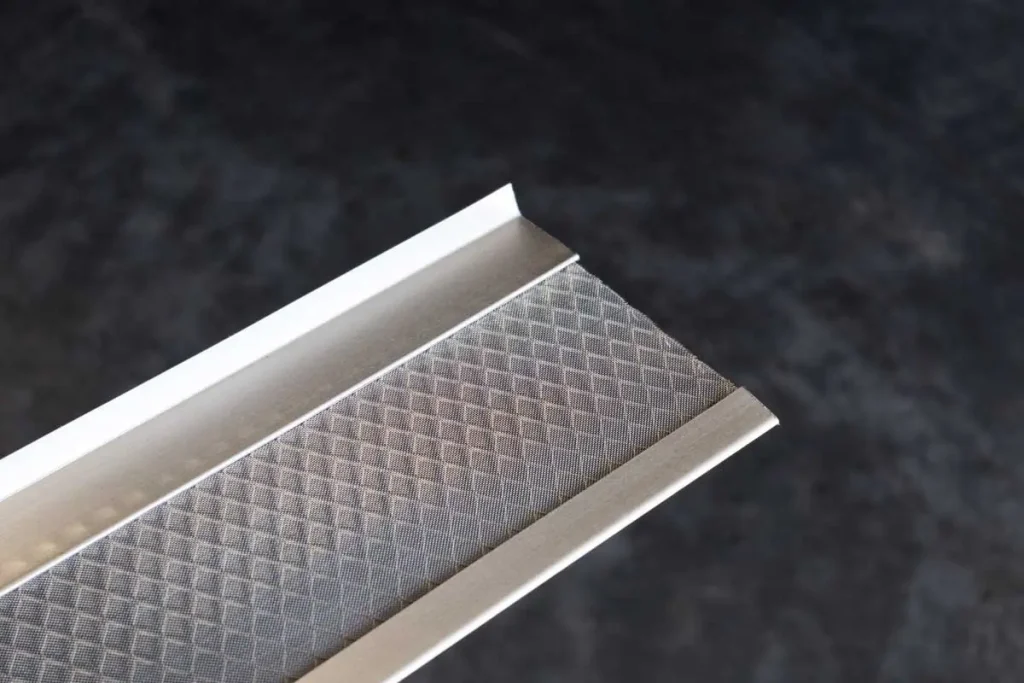
Mesh screens use fine metal or plastic grids to block leaves and larger debris. Micromesh uses much smaller openings to keep out pine needles and fine roof grit, making it a good choice for homes near evergreen trees or areas with fine debris.
Reverse Curve Designs
Reverse curve guards use a curved lip to direct rainwater into the gutter while leaves and larger debris slide off. They shed debris effectively but may be more visible from the ground.
Foam and Brush Inserts
Foam inserts sit inside the gutter and allow water to pass through while blocking leaves. Brush inserts work in a similar way, using dense bristles to keep debris out. Both are generally budget-friendly and easy to install, though they may require more frequent checks and cleaning.
Premium Leaf Guard Systems
Premium systems such as Bulldog, Grizzly Guard, and Leaf Sentry offer different construction and filtration features.
Bulldog uses aluminum construction, while Grizzly Guard uses stainless steel mesh. Leaf Sentry, on the other hand, is designed as a long-life option. When comparing branded systems, look at the materials, installation method, and manufacturer warranty to see which option fits your gutter system and maintenance needs.
Quick Comparison:
Leaf Guard Type Best For Mesh & Micromesh Pine needles, seeds, roof grit, and fine debris Reverse Curve Larger leaves and heavier debris Foam & Brush Budget-friendly protection and simpler setups Premium Systems Long-term durability, stronger materials, and warranty options
How To Install A Gutter Guard
A clean, careful gutter guard installation follows a clear sequence. Here’s how it is done by professionals:
Preparing and Cleaning Gutters
Professionals start by making sure every guard will sit on a clean gutter. They remove debris, flush the channels with water, and confirm the downspouts drain freely.
Securing Guards Without Damage
Installers fasten guards according to the product type. Some snap under the first row of shingles, others clip to the gutter lip, and a few screw into place. They also know how to avoid lifting shingles too far or over-tightening fasteners, which can crack or bend components.
Working with Existing Hardware
Current hangers, brackets, and downspouts stay in play. A professional installation works around them, not against them. If a guard style conflicts with the existing hardware, installers choose a different profile rather than forcing a poor fit.
Step By Step: Professional installation typically follows three main steps: clean and inspect the gutters, secure the guards using the correct method, and check that water can still flow freely through the system.
DIY Versus Professional Installation
Doing the work yourself can save money; however, it is not always the right option for every home or every person in Utah. This table can help you analyze the best option:
| Factors | DIY Installation | Professional Installation |
| Safety | Requires ladder work at roofline height, which can be risky on multi-story homes or steep roofs. | Trained installers have the equipment and experience to complete the work more safely. |
| Time and tools | May take a weekend or more and requires a sturdy ladder, gloves, a scoop, and the right fasteners. | A professional crew can complete the gutter guard installation more efficiently with proper tools. |
| Fit and warranty | Minor mistakes can lead to loose sections, poor drainage, or warranty issues. | Professionals can recommend the right leaf guards for existing gutters and help preserve warranty coverage. |
| Best use case | Works best for simple, low rooflines, and basic guard styles. | Better for complex rooflines, fragile gutters, and premium guard systems. |
Key Takeaway: DIY installation can work for simple, easy-to-reach gutter systems, while professional installation is usually better for steep roofs, multi-story homes, or premium guard systems. Safety, proper fit, and warranty requirements should guide the decision.
Maintaining Guards Over Time
Leaf guards for existing gutters can reduce gutter cleaning, but they still need occasional attention to keep water flowing properly. A few simple checks throughout the year can help catch small issues before they affect gutter performance.
Here’s what needs to be addressed:
- Check water flow seasonally. During heavy rain, look at the gutters to see whether water is flowing through the guards as expected. If water spills over the edges, the guards may need cleaning or adjustment.
- Remove debris from the surface. Leaves, pine needles, and other debris can collect on top of the guards. Use a soft broom or leaf blower to clear the surface without removing the guards.
- Inspect for loose or damaged sections. Strong winds, ice, or heavy debris can loosen guard panels or create gaps. Refasten or replace affected sections so debris does not get underneath.
Signs To Watch For: Water spilling over the edges, debris sitting on top of the guards, or loose sections can signal that maintenance is needed. Seasonal checks help catch these issues before they affect drainage.
Final Thoughts
Adding guards to gutters already in place is a practical way to reduce maintenance and help protect a home from water damage. The most important steps are to inspect the current gutters, repair any issues, choose a guard style that fits the home, and decide whether DIY or professional installation makes the most sense for safety and warranty needs.
Start by taking a close look at the gutters, then compare guard options based on your budget and the trees around the property. With a sound gutter system and the right product, homeowners can reduce debris buildup and make ongoing gutter maintenance easier.
If you want expert help choosing and installing the right system, Ace Gutter is ready to help. Since 1998, we’ve served Utah homeowners with professional gutter cleaning, repairs, and installations backed by local experience and a clear understanding of the state’s rain, snow, and ice.
Reach out to us today.
Frequently Asked Questions
Can leaf guards be added to my existing gutters?
Yes, most guards install directly onto gutters already in place. The gutters simply need to be clean, sound, and draining properly before installation.
How much does gutter guard installation cost?
Gutter guard installation costs vary based on the size of the home, total gutter length, guard material, roof accessibility, and whether the system is installed professionally. DIY screen-style guards are generally less expensive, while professionally installed premium systems can cost more. Requesting an estimate based on your specific gutter system will provide a more accurate idea of the cost.
Do leaf guards eliminate gutter cleaning completely?
No, but they reduce it significantly. Occasional visual checks and light surface clearing remain, though the messy scooping of packed gutters largely goes away.
Which leaf guard type is best for pine needles?
Micro-mesh guards are often a strong option for homes surrounded by pine trees because their smaller openings can block fine needles and other small debris. The best system will also depend on the gutter design, roofline, local weather conditions, and maintenance preferences.
Should I repair my gutters before installing guards?
Yes. Rust, sagging, leaks, and slope problems should generally be repaired before guards are installed. Guards sit on top of the system and cannot correct underlying drainage or structural issues.

Need Help? Get a free assessment
Get a call back within 1 hour
(During business hours).
Recent Posts

What to Know Before Installing Leaf Guards on Your Existing Gutter System?

How to Fix Standing Water in Gutters and Prevent Future Damage

What Type of Gutter System Works Best With a Metal Roof?

How to Know When Your Chimney Cap Needs Replacement
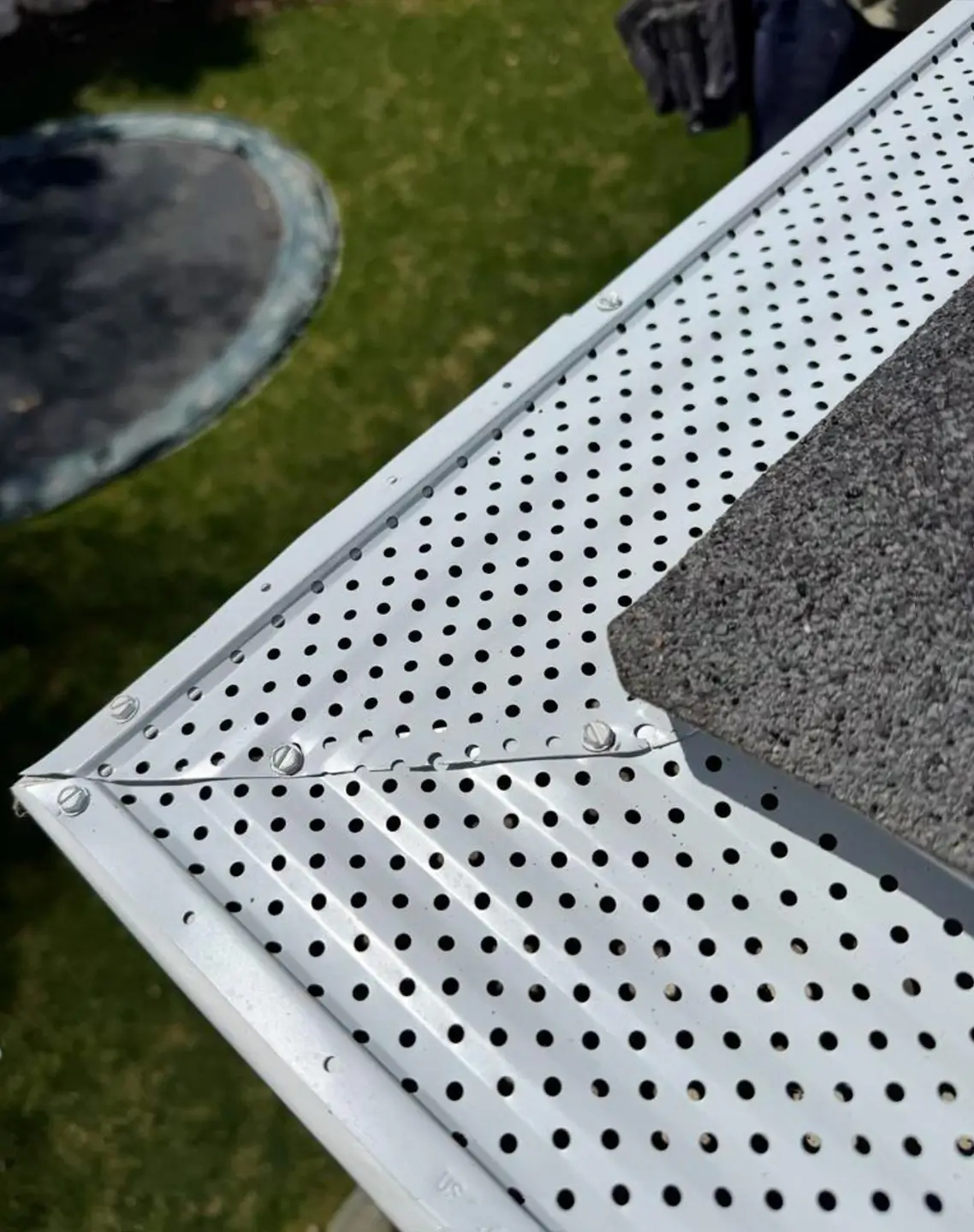
Can Leaf Guards Be Installed on Older Gutter Systems?
Share
Recent Posts
What to Know Before Installing Leaf Guards on Your Existing Gutter System?
September 16, 2026
TL;DR: Leaf guards can usually be installed on existing gutters if the system is secure, properly sloped, and draining correctly. The right guard...
How to Fix Standing Water in Gutters and Prevent Future Damage
September 8, 2026
TL;DR: Standing water in gutters is usually caused by debris buildup, poor gutter slope, blocked downspouts, or damaged sections that prevent water from...
What Type of Gutter System Works Best With a Metal Roof?
September 2, 2026
TL;DR: For metal roofs, fascia-style and wide K-style gutters are strong choices because they can handle fast runoff when properly sized. Focus on...