August 28, 2026
Jud Smith
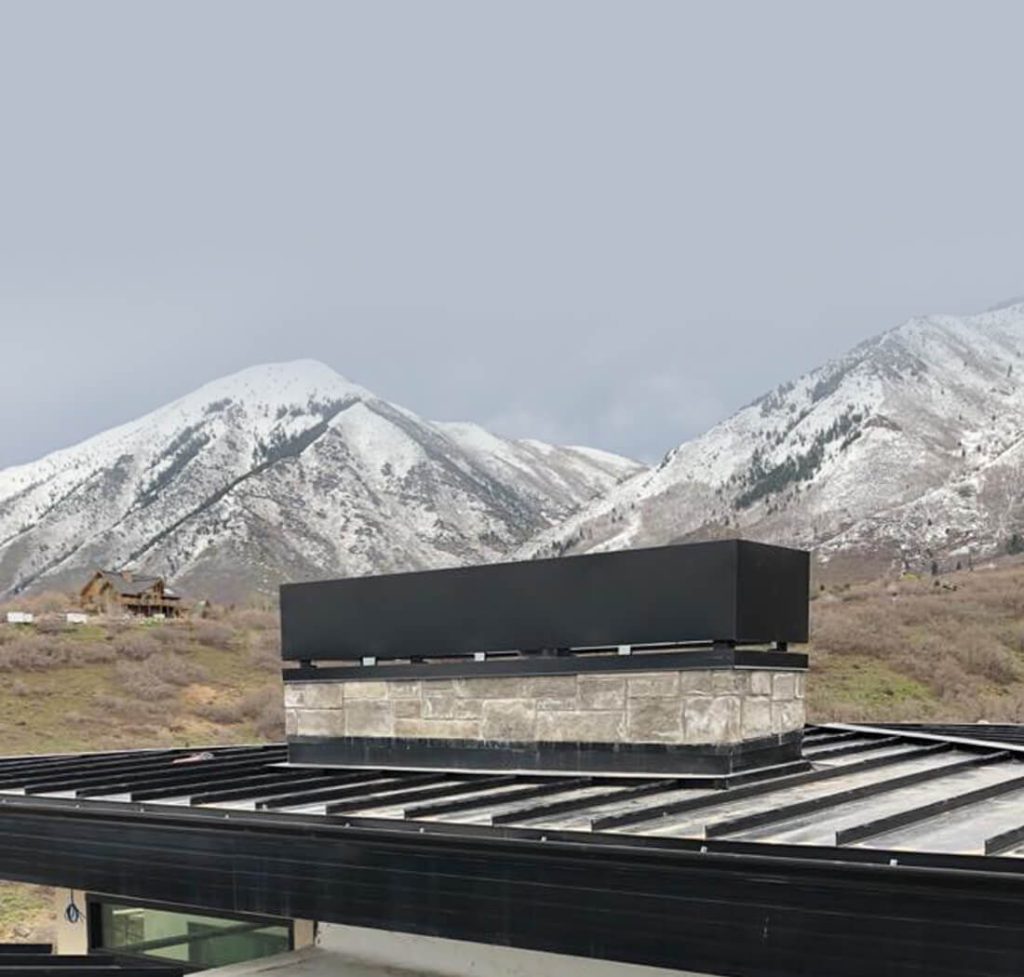
Chimney caps sit at the top of the flue, where they block rain, snow, leaves, pests, and animals while still letting smoke and exhaust leave the home. When a cap works well, it is easy to forget about it entirely. When it fails, water and debris can move into the chimney fast.
Early signs deserve attention because chimney damage rarely stays in one place. A small gap in a cap can lead to damp masonry, rusted dampers, pest nests, or draft trouble. In Utah and other cold climates, snow, wind, and freeze-thaw cycles can speed up wear on parts that already take a beating.
This guide covers the main warning signs that point to chimney cap replacement. It also explains how to check the cap from a safe distance, when repair may work, and when replacement is the better call.
Quick Answer: A chimney cap may need replacement if it has heavy rust, bent metal, holes, loose parts, missing mesh, or clear storm damage. Indoor clues also count. Water stains, damp smells, soot on the hearth, pest sounds, or nesting debris can all point to a failing cap.
Note: Add this in a box as we do for the new points added.
What a Chimney Cap Does and Why It Fails
A chimney cap has two key jobs. It blocks water and debris from entering the flue, and it lets smoke and exhaust vent out safely. The Chimney Safety Institute of America recommends installing a properly designed cap as a relatively low-cost way to keep rainwater, birds, and nesting animals out of the chimney. That protection affects comfort, fire safety, and the long-term condition of the whole chimney system.
Metal chimney caps can last for many years, though their service life depends on the material, installation quality, climate, and maintenance. Stainless steel generally resists corrosion longer than painted or galvanized steel.
Utah weather can shorten that span. Heavy snow, strong sun, high winds, and freeze-thaw cycles put real stress on seams, fasteners, and mesh. Homes with poor roof runoff may also face more moisture near the chimney, so roof drainage belongs in the same conversation as chimney care. If your gutters routinely overflow near the chimney base, a gutter cleaning inspection is worth scheduling alongside a cap check.
In Short: A chimney cap is a protective cover installed over the flue opening. It blocks precipitation, debris, birds, and animals while allowing smoke and combustion gases to leave the chimney.

Rust and Corrosion Are the Most Common Red Flags
Chimney cap rust usually starts where water collects: seams, screws, welds, and folded metal edges. On painted or galvanized steel caps, early rust may look like dull stains or small orange spots. As it spreads, paint flakes, metal pits, and white powdery marks can appear on some coated parts.
Light surface rust can sometimes be cleaned and sealed for a short time. Heavy rust is different. If the metal flakes, holes appear, or fasteners loosen, the cap can no longer block water the way it should. Stainless steel resists rust better than most metals, but it still needs a check in harsh weather zones like Utah’s higher elevations.
How It Works: Once a cap’s protective coating breaks down, moisture reaches the exposed metal. Corrosion often spreads around seams and fasteners, weakening the cap and creating openings for water.
Visible Damage, Bent Edges, or Missing Mesh Screening
A damaged chimney cap may have dents, bent edges, crushed corners, cracked welds, or holes in the hood. These flaws can come from storms, fallen branches, ice buildup, or animal contact. Damage does not always appear slowly, so a cap that looked fine last season may still need a fresh look after a rough winter.
Mesh screening matters just as much as the metal hood itself. It helps keep birds, squirrels, and other animals out of the flue. Torn or missing mesh can quickly leave the opening exposed. Even small gaps can grow as water, wind, or animals put more stress on the damaged area over time.
Signs To Watch For: Watch for a leaning hood, missing screws, torn screening, separated seams, or a cap that shifts after strong wind. Several visible defects usually make replacement more practical than patching.

Signs Inside Your Home That Point to Cap Failure
The clearest indoor signs include water stains around the fireplace, stains on the hearth, rust on the damper, or a damp smell in the firebox. A mold-like odor after rain or snow is a strong clue that moisture is entering somewhere in the chimney system, often well before any visible damage shows up outside.
Pest clues deserve just as much attention. Scratching, squeaking, droppings, nesting material, or soot scattered across the hearth may all point to a cap failure. Too much soot falling during fires can also signal draft trouble caused by wind or moisture entering the flue. These signs are not always cap-specific on their own, but together they call for a proper chimney cap inspection.
Because these symptoms can also come from problems with the crown, flashing, liner, or other chimney components, the cap should be evaluated as part of the complete system. The National Fire Protection Association recommends having chimneys, fireplaces, and vents inspected at least once a year and cleaned as needed. A professional inspection can help determine whether the cap is the source of the problem or whether repairs are needed elsewhere.
Common Mistake: Do not assume every fireplace water stain comes from the chimney cap. Damaged flashing, the chimney crown, masonry joints, or the liner can produce similar symptoms.
When to Repair Versus When to Replace
The choice between chimney cap repair and replacement depends on the damage, the cap’s age, and its material. Small dents or light surface rust may be repairable. Heavy rust, loose mesh, large holes, failed seams, or widespread deterioration usually point toward replacement instead.
Repair can cost less upfront, but labor and materials sometimes come close to the price of a new cap once a technician is already on the roof. A full replacement can also add stronger mesh, better fasteners, and a tighter fit than the original.
| Condition | Repair May Work | Replacement Is Usually Better |
| Light surface rust | Yes, if metal is solid | No, unless rust spreads fast |
| Small dent | Yes, if fit is still tight | Yes, if venting is affected |
| Torn or missing mesh | Sometimes, if frame is sound | Yes, if frame is bent or rusted |
| Holes in hood | Rarely | Yes |
| Older cap with widespread wear | Sometimes | Often |
| Loose fasteners or cracked welds | Sometimes | Yes, if structure is weak |
Before You Decide: Compare the extent of the damage, the strength of the remaining frame, the cap’s fit, and the cost of roof access. Replacement often offers better value when rust or structural damage affects several components.
Replace Your Chimney Cap Before Damage Spreads
A quick visual check can reveal many signs that a chimney cap needs attention. Look for rust, bent metal, holes, loose fasteners, torn mesh, pest clues, and water stains near the fireplace. If several signs appear at once, replacement is usually safer than a short-term patch.
Utah’s climate can be hard on roofline parts, including chimney caps. Regular checks help keep homes safe, dry, and functional through every season. Good exterior care depends on fit, material quality, and close attention to small details before they turn into larger repairs.
For a professional chimney cap inspection and replacement, explore our chimney cap installation services or contact us for a clear assessment and safe installation.
Frequently Asked Questions
How long should a chimney cap last?
A chimney cap can last for many years, but its lifespan depends on the material, climate, installation quality, and care. Stainless steel caps generally resist corrosion longer than painted or galvanized steel. In Utah, freeze-thaw cycles, strong sun, wind, and snow may accelerate wear, so periodic visual checks are a smart habit.
How much does a chimney cap replacement cost?
Cost varies by cap size, material, chimney height, and local labor rates. A tall roof, custom flue size, or stainless steel cap can raise the price. A clear quote should compare the cost of repair against the value and expected life of a new cap.
Can I replace a chimney cap myself, or do I need a professional?
A skilled homeowner may replace a simple cap, but a professional is safer for most roofs. The work involves height, accurate sizing, secure fastening, and code concerns. A poor fit can let water in, block draft, or fail during high wind.
What happens if I don’t replace a damaged chimney cap?
Water, pests, and debris can enter the flue if a damaged cap stays in place. Water can rust the damper, stain masonry, and harm the flue liner over time. Pest nests and debris can also block airflow, which affects fireplace use and overall home comfort. The Chimney Safety Institute of America considers a working cap one of the most affordable ways to prevent this kind of water damage in the first place.
Do I need a chimney cap if I don’t use my fireplace often?
Yes, an unused fireplace still needs a cap. Rain, snow, leaves, and animals can enter even when the fireplace sits idle all season. An open flue can also let cold air into the home, which affects indoor comfort during Utah winters.

Need Help? Get a free assessment
Get a call back within 1 hour
(During business hours).
Recent Posts
How to Improve Drainage and Water Flow in Aging Gutter Systems?
6 Factors That Can Shorten the Lifespan of Your Gutters

What to Know Before Installing Leaf Guards on Your Existing Gutter System?

How to Fix Standing Water in Gutters and Prevent Future Damage

What Type of Gutter System Works Best With a Metal Roof?
Share
Recent Posts
How to Improve Drainage and Water Flow in Aging Gutter Systems?
October 2, 2026
If you are seeing puddles around your foundation, streaks along the siding, or soggy spots in the yard, your gutters may be struggling...
6 Factors That Can Shorten the Lifespan of Your Gutters
September 24, 2026
TL;DR: Weather, clogs, poor maintenance, installation issues, material quality and physical damage can shorten gutter lifespan. Regular upkeep and timely repairs can help...
What to Know Before Installing Leaf Guards on Your Existing Gutter System?
September 16, 2026
TL;DR: Leaf guards can usually be installed on existing gutters if the system is secure, properly sloped, and draining correctly. The right guard...