September 24, 2026
Jud Smith
TL;DR:
Weather, clogs, poor maintenance, installation issues, material quality and physical damage can shorten gutter lifespan. Regular upkeep and timely repairs can help gutters last longer.
Your gutter system may rarely get much attention until water starts pouring over the edge or pooling near a foundation. For most homeowners in Utah, these channels move thousands of gallons of rainwater away from the roof, walls and basement every year. That constant workload can put the lifespan of gutters at risk, especially when maintenance habits, material quality and local climate conditions work against the system.
In regions with sharp seasonal swings, such as Utah, gutters take a real beating. Freezing winters, dry summers and sudden storms all wear systems down faster than many people expect. This is why it is important to know what causes early failure. It can help you protect a system before small issues turn into expensive repairs.
This blog explains the six main factors that can cause gutters to wear out sooner than expected, along with practical steps homeowners can take to prevent or address each issue.
1. Weather and Climate Stress
Seasonal extremes are among the toughest challenges any gutter system faces. Constant expansion, contraction and moisture exposure slowly weaken joints, fasteners and coatings, shortening the lifespan of gutters year after year.
Snow, ice and freezing cycles
Snow load and repeated freeze-thaw cycles put enormous pressure on gutters. Water freezes inside the channel, expands, then melts and refreezes. This cycle pries seams apart and loosens hangers. Ice dams also form at the roof edge, forcing water underneath shingles and into fascia boards.
Heat and sun exposure
Summer heat and prolonged exposure to ultraviolet rays can gradually weaken a gutter’s protective coating. As the coating fades and the surface becomes brittle, cracks can form more easily, leaving the metal more exposed to moisture and increasing the risk of rust. High temperatures also cause metal to expand, placing repeated stress on seams and fasteners as the gutter heats up and cools down throughout the day.
Heavy rain and storms
Sudden downpours test how well a gutter system drains, especially when a large volume of water comes off the roof in a short amount of time. Undersized or clogged gutters can overflow quickly, sending water down siding and toward the foundation. Over time, this can stain exterior surfaces, erode soil around the home and increase the risk of moisture problems near the basement or crawl space.
Signs To Watch For:
Watch for these signs of weather-related gutter stress:
- Sagging sections after heavy snow or ice buildup
- Cracks or separated seams caused by repeated expansion and contraction
- Overflow during storms that may point to clogs or inadequate drainage
- Rust, peeling coatings or discoloration from long-term moisture and sun exposure
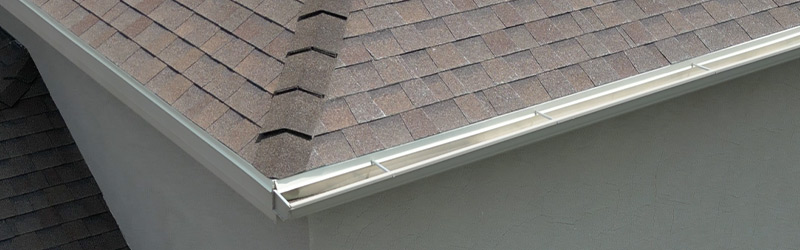
2. Clogs From Debris Buildup
Debris buildup is one of the most common gutter damage causes, regardless of climate. Leaves, twigs, dirt, and grit can accumulate inside the gutters, restricting water flow and preventing the system from draining properly.
As the buildup increases, water can back up and place added strain on the gutters, increasing the risk of sagging, leaks, and other damage. A recent report mentioned that removing more than 99 million cubic yards of debris costed over $3.7 billion.
Falling leaves and pine needles
Autumn leaves and evergreen needles can pile up quickly in troughs and downspouts, especially when trees hang close to the roofline. Pine needles create an even bigger problem because they can slip through many basic guards, then knit together into dense mats that restrict water flow.
Standing water and overflow
Once debris blocks the channel, water has nowhere to drain. That standing water adds weight, encourages rust and can rot the wood behind the gutter. As the blockage worsens, overflow spills over the front edge, undermining landscaping and pooling near the base of the home.
Nesting pests and animals
When gutters stay clogged and damp, they can also become attractive nesting spots for birds, squirrels and insects. These nests add even more blockage and moisture, which speeds up corrosion and can draw pests closer to the roofline and attic.
Common Mistake:
Homeowners often focus only on clearing visible leaves from the gutter. Commonly missed problems include:
- Debris packed deeper inside downspouts
- Pine needles slipping through basic gutter guards
- Roof grit and dirt collecting beneath larger debris
- Wet buildup left sitting in corners and around outlets
3. Poor Gutter Maintenance Habits
Consistent gutter maintenance is the single most controllable factor in how long a system lasts. Skipping routine care can invite the exact problems that lead to early replacement. Some of them are listed below:
Infrequent cleaning schedules
Gutters cleaned once every few years collect deep layers of sludge. That buildup holds moisture against metal and wood, accelerating rust and rot. A regular schedule keeps water moving and reveals problems while they are still small.
Ignoring small leaks early
Even after cleaning, small leaks can shorten a gutter system’s lifespan if they are left alone. A minor drip at a seam may seem harmless, but over time it can damage fascia, soffit and siding. Sealing leaks early keeps water away from structural wood, where repairs are often far more expensive. It also helps prevent one weak spot from turning into a larger section of failing gutter.
Missing seasonal inspections
Skipping seasonal inspections allows loose hangers, cracks and sagging sections to go unnoticed. Quick checkups in spring and fall can catch damage before winter ice or summer storms make it worse. These routine inspections also make it easier to plan small repairs before they become urgent replacements.
Step By Step:
A simple gutter maintenance routine can include:
- Clear debris from gutters and downspouts in spring and fall.
- Check seams and hangers for leaks, looseness or sagging.
- Inspect after major storms and repair small issues before they worsen.

4. Improper Installation Issues
Installation quality is one of the gutter lifespan factors homeowners often underestimate. Even high-quality materials can wear out early if the system is not measured, pitched and secured correctly.
Wrong slope and pitch
Gutters need a slight, consistent slope toward the downspouts. Too little pitch allows water to sit in the trough, while too much makes the system look uneven and drains water too quickly at one end. Both can strain the system and shorten its lifespan.
Loose or weak fasteners
Hangers placed too far apart or attached to weak wood can cause gutters to sag under the weight of water, snow, and debris. As sections sag, seams can separate and create areas where water collects instead of draining away.
Poorly sealed seams
Sectional gutters depend on properly sealed joints, and weak or rushed sealing can create points where water escapes. Over time, these poorly sealed seams can develop leaks and lead to further gutter damage.
Red Flag:
Poor installation may become visible through:
- Water remaining in the gutter after rainfall
- Sections pulling away from the fascia
- Repeated leaks around seams and corners
- Uneven or noticeably sagging gutter runs
5. Material and Quality Differences
The material a gutter is made from strongly influences durability, appearance and price. So, choosing the right option for your climate and budget is important as it directly impacts the lifespan of your gutter system.
Aluminum, steel and copper options
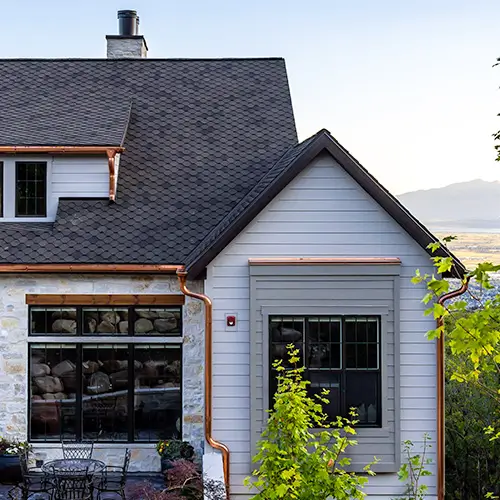
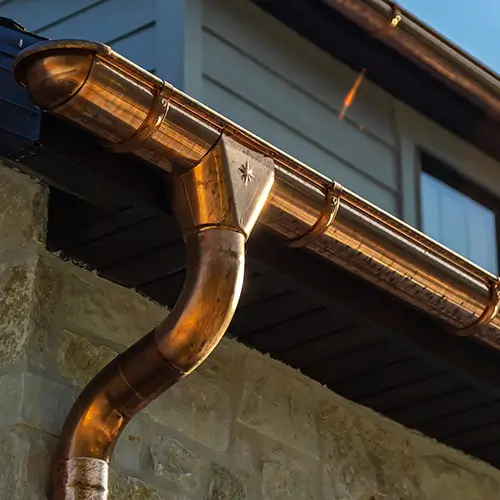
Aluminum is lightweight, rust-resistant and affordable, which makes it popular for most homes. Steel, on the other hand, is stronger and stands up to heavy snow, though it can rust if the coating fails. Copper lasts the longest and looks striking, but it sits at the top of the price range.
Sectional versus seamless designs
Sectional gutters snap together in pieces and have more joints, which means more potential leak points. Seamless gutters, on the other hand, are formed on-site in continuous runs, reducing weak spots and lasting longer with fewer repairs.
Thickness and coating quality
Thicker gauge metal resists dents and sagging better than thin, budget stock. Quality factory coatings also slow fading and corrosion, protecting the surface through years of sun and rain. Here’s a table that can help you decide on the best material per your requirements:
| Material | Durability | Expected Lifespan | Relative Cost Tier |
| Aluminum | Good, rust-resistant | 20 to 30 years | Budget to mid |
| Steel | Strong, prone to rust | 15 to 25 years | Mid |
| Copper | Excellent, corrosion-resistant | 50-plus years | Premium |
Before You Decide: The best gutter material depends on more than lifespan alone. Consider local weather, maintenance needs, budget and how well the material suits your home’s exterior.
6. Physical Damage and Wear
Physical impact and gradual corrosion add to the list of common gutter damage causes. Routine use, weather exposure and aging can all leave marks that weaken the system over time. Here are some of the factors:
Ladder dents and sagging
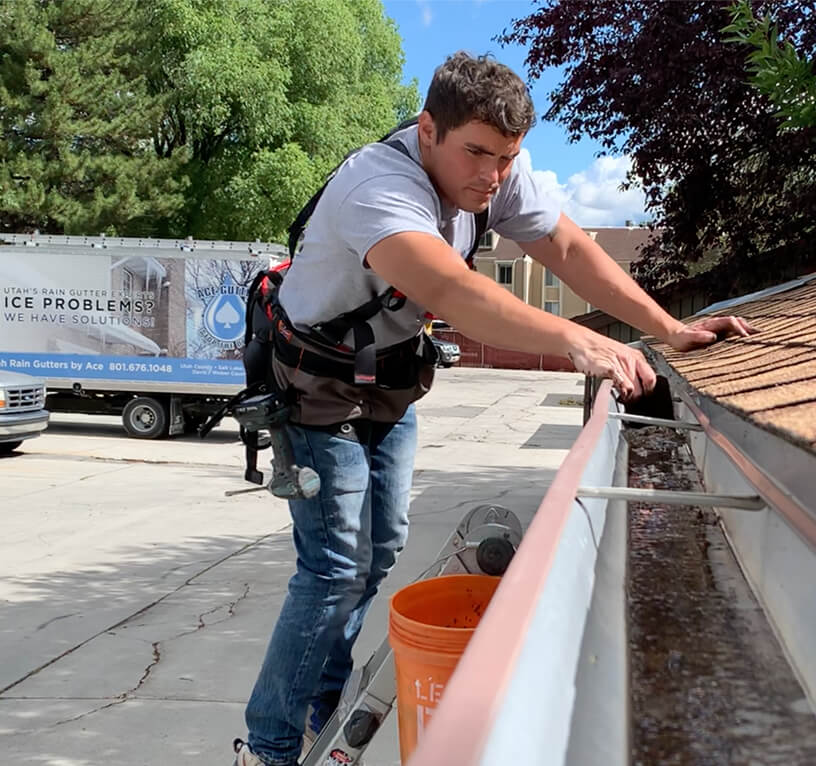
Leaning ladders directly against gutters can dent the front lip and bend the trough out of shape. Once the gutter is misshapen, debris collects more easily and water no longer flows smoothly toward the downspout. Repeated pressure can also loosen hangers, creating sagging sections that pull away from the roofline and reduce the system’s ability to drain properly.
Rust and corrosion spots
Scratched coatings and standing water can quickly lead to rust on steel gutter systems. As corrosion develops, it spreads along the metal and gradually thins the surface, making holes and leaks more likely. Addressing small rust spots early with cleaning, sealing or repairs can help prevent larger sections from failing.
Fascia board rot
When failing gutters leak or overflow, water can soak into the fascia board behind them. Over time, that moisture causes the wood to soften, rot and lose its ability to hold fasteners securely. Once the fascia weakens, the gutter section may begin to pull away from the roofline, often requiring both gutter and wood replacement.
Key Takeaway: Physical damage may start with a small dent, rust spot or loose section, but repeated exposure to water can make the problem worse. Early repairs can help protect both the gutter system and the fascia supporting it.
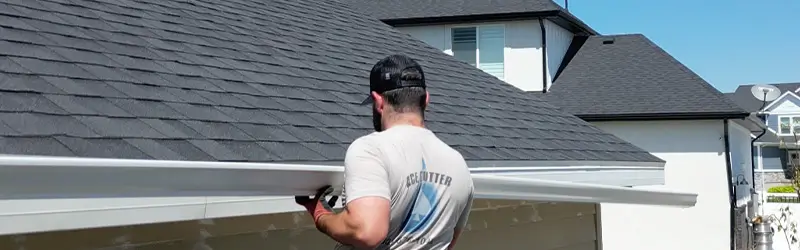
Best Practices to Extend the Lifespan Of Your Gutter
Here are some of the consistent habits that can expand the lifespan of a gutter system:
- Clean gutters at least twice a year, in spring and fall, or more where trees are heavy.
- Inspect seams, hangers and downspouts each season and repair small issues right away.
- Add quality leaf guards to cut down on debris and reduce cleaning frequency.
- Confirm downspouts direct water several feet away from the foundation.
- Choose seamless designs and thicker materials when replacing an aging system.
Next Step: Add gutter checks to your spring and fall home maintenance routine. Regular cleaning and quick repairs can help prevent small drainage problems from shortening the life of the system.
Final Thoughts
Weather stress, debris buildup, weak upkeep, poor installation, material quality and physical wear are the main gutter lifespan factors that decide how long a system survives. Most of these factors are manageable with regular attention and smart choices at installation.
Worry not, you do not have to do it alone. At Ace Gutter, we bring decades of local experience in gutter installation, repair and exterior protection suited to Utah’s demanding climate. Take professional help from us and keep your gutters working for years to come.
Frequently Asked Questions
How long do gutters usually last?
Most gutters last between 15 and 50 years, depending on material and climate. Aluminum typically runs 20 to 30 years, steel 15 to 25 years and copper well over 50 years. Harsh weather and neglect can cut those ranges short.
How often should I clean my gutters?
Clean gutters at least twice a year, ideally in spring and fall. In areas with many trees or heavy snow like Utah, three or four cleanings a year better protect the system from clogs and ice buildup.
What shortens the lifespan of gutters?
Several factors can cause gutters to wear out sooner, including harsh weather, accumulated debris, missed maintenance, and installation problems. Repeated freezing and thawing can weaken the system, while clogs, poor drainage, incorrect slope, and loose fasteners can add stress and cause damage over time.
Can damaged gutters be repaired instead of replaced?
Yes, many issues like small leaks, loose hangers and minor sagging are repairable. Full replacement makes more sense when there is widespread rust, rotted fascia or repeated failures across many sections.

Need Help? Get a free assessment
Get a call back within 1 hour
(During business hours).
Recent Posts

Is Your Gutter System Ready for an El Niño Winter in Utah?
How Well-Maintained Gutters Can Increase Your Home’s Value
How to Improve Drainage and Water Flow in Aging Gutter Systems?

6 Factors That Can Shorten the Lifespan of Your Gutters

What to Know Before Installing Leaf Guards on Your Existing Gutter System?
Share
Recent Posts
Is Your Gutter System Ready for an El Niño Winter in Utah?
October 14, 2026
TL;DR: A very strong El Niño is forecast for the 2026-27 Utah winter, bringing warmer temperatures and more freeze-thaw cycles, not guaranteed snow....
How Well-Maintained Gutters Can Increase Your Home’s Value
October 13, 2026
TL;DR: Well-maintained gutters help preserve your home’s value by directing water away from the roof, siding, foundation, and landscaping. Regular cleaning, timely repairs,...
How to Improve Drainage and Water Flow in Aging Gutter Systems?
October 2, 2026
If you are seeing puddles around your foundation, streaks along the siding, or soggy spots in the yard, your gutters may be struggling...