October 2, 2026
Jud Smith
TL;DR:
- Restore the correct gutter pitch so water moves toward each downspout
- Remove compacted debris from gutters, outlets, and underground drain lines
- Repair worn seams, hangers, and downspouts before recurring leaks spread
- Check that discharged water continues moving away from the foundation
If you are seeing puddles around your foundation, streaks along the siding, or soggy spots in the yard, your gutters may be struggling to move water away from your home.
An aging gutter system can lose efficiency long before it looks completely damaged. One of the main reasons for this is Utah’s weather. Its dynamic conditions can affect gutter seams, slope, fasteners, and downspouts. This can gradually reduce water flow and increase the risk of rot, mold, soil erosion, and foundation damage.
This is why older homes need a reliable drainage system to direct stormwater away from the structure. Even a minor gutter problem today can become a much larger repair after repeated exposure to heavy rain and snow.
This blog explains why aging gutter systems start underperforming, how to improve gutter flow, and which maintenance steps can help restore proper drainage.
What to Check First: During the next rainfall, note where water first slows, spills, or leaks. The location can help distinguish between a clog, poor slope, failing seam, or restricted downspout.
Why Older Gutters Lose Performance
Gutters usually work steadily in tough conditions. However, a battle with time wears them down. Over the years, repeated temperature swings cause metal to expand and contract, while fasteners slowly loosen and sealant dries out or cracks. These small changes can throw off the gutter’s slope, open gaps at the seams, and make it harder for water to reach the downspouts efficiently.
When these issues build up, they create gutter water flow issues that reduce how much rainfall the system can move safely. Instead of draining away from the home, water may spill over the edges, collect near the foundation, or sit inside the gutter long enough to cause corrosion and additional strain.
Effects of Utah Seasons and Storms
Utah’s winter freeze-thaw cycles can place repeated stress on aging gutter systems. Water that collects around weakened seams and joints can freeze and expand, contributing to existing gaps and deterioration over time.
Over time, Utah winters create repeated strain, while heavy summer storms send more water through these weakened points. Ice buildup can add even more weight, sometimes pulling gutters away from the fascia, especially on older systems exposed to repeated winter conditions.
Wear on Seams and Fasteners
As gutters age, seams are usually among the first areas to show signs of wear. At the same time, spikes and hangers can loosen as the wood behind them softens. Once a fastener pulls out, the gutter begins to sag at that point, allowing standing water to collect.
That added weight then places more strain on nearby connections, gradually extending the problem along the run and contributing to gutter water flow issues.
Buildup That Restricts Flow
Debris can restrict drainage in several ways beyond creating a simple clog. As leaves and other material trap moisture against the metal, corrosion can develop more quickly.
Meanwhile, grit, shingle granules, and decayed leaves can combine into a paste that narrows the gutter channel. As the available space decreases, even a thin layer of buildup can reduce capacity and slow drainage during peak rainfall.
How It Works: Proper drainage depends on an open gutter channel, a steady slope, and an unrestricted downspout. A problem anywhere along this route can slow the entire system.

Common Aging Gutter System Problems
Here are some of the most common aging gutter system issues to watch out for:
- Clogs from leaves and debris: Blockages back up water over the edge and toward the wall.
- Leaks at joints and seams: Old sealant fails and lets water escape before it reaches the downspout.
- Sagging sections: Loose hangers create low spots where water sits and breeds algae.
- Rust and corrosion: Thinning metal develops pinholes that widen over time.
Each of these problems compounds the others. A clog adds weight, added weight loosens hangers, and loose hangers flatten the slope that keeps water moving.
Fortunately, many of these problems can be corrected with the right maintenance and repairs. You’ll read about a few practical steps that can help restore better gutter performance up next.
Common Mistake: Do not assume every overflow comes from a clog. Poor pitch, leaking seams, damaged outlets, or crushed downspouts can also interrupt water flow.
Fixing Poor Slope and Alignment
Slope determines whether water moves through the gutter or sits in place. Gutters need a slight downward pitch toward each downspout so water can drain properly. When that pitch levels out, water starts to collect, drainage slows, and overflow becomes more likely.
How to Check Gutter Slope
As a general guideline, many gutter systems use about a quarter inch of drop for every 10 feet of gutter, though the ideal pitch can vary by roofline and drainage layout.
Running a garden hose at the far end reveals the flow. If water pools instead of moving, the slope needs adjustment. A level laid along the top edge confirms the direction of the pitch.
Adjusting Hangers for Proper Flow
If the gutter has lost its proper pitch, hangers may need to be repositioned to restore drainage toward the downspout. Because incorrect adjustments can create new low spots or damage weakened fascia, extensive sagging or alignment problems are best handled by a gutter professional.
Replace any bracket that no longer grips the fascia firmly. These small adjustments can restore movement and reduce overflow quickly.
Signs of Misaligned Sections
These are some of the signs of misaligned sections:
- Water marks: Stains or water marks that stop partway along a gutter run often point to poor alignment.
- Gaps near the fascia: Spaces between the gutter and fascia can signal pulled or loosened fasteners.
- Visible dips: Sections that sag or dip in the middle need quick correction before added water weight worsens the problem.
Safety Note: Avoid cleaning gutters from a ladder when the roof is steep, the ground is uneven, or the system is difficult to reach. These conditions are better handled professionally.
Clearing Clogs to Improve Gutter Flow
Blockages are the leading cause of overflow, and this is where regular cleaning can help. It is the simplest way to improve gutter flow.
Safe Cleaning Tools and Methods
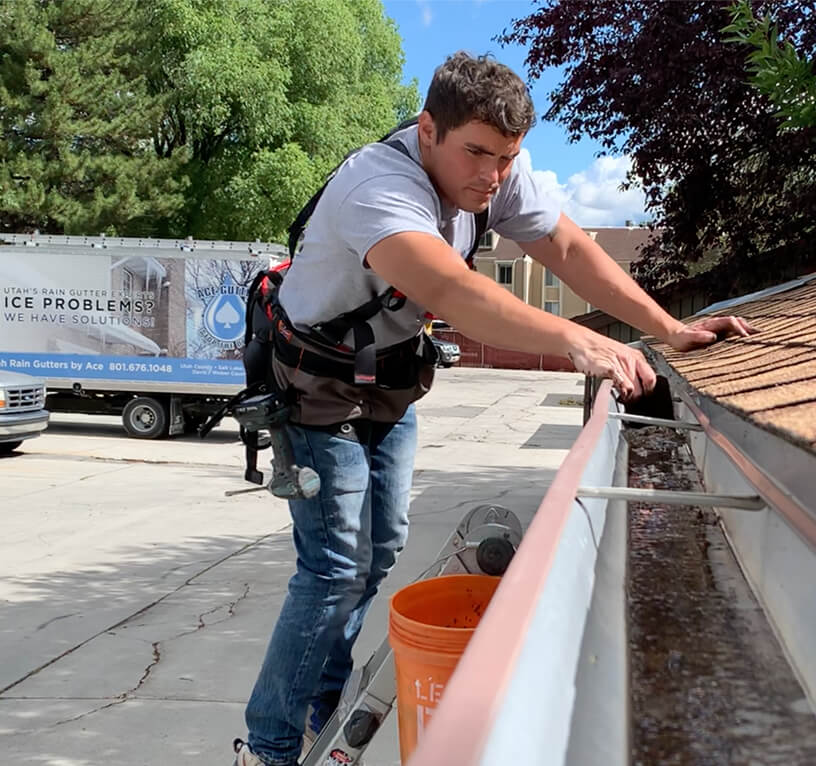
Use a stable extension ladder with a stabilizer bar to keep the work safe. Once you are positioned securely, wear gloves and scoop debris into a bucket instead of dropping it around the property. After the loose material is removed, flush the gutter with a hose from the high end toward the downspout to check water movement. If water still backs up, use a plumber’s snake to push stubborn clumps out of tight elbows.
How Often to Clear Debris
Try cleaning gutters at least twice a year, once in late spring and again in late fall. Homes near mature trees may need more frequent attention, sometimes as often as quarterly. After major storms, a quick inspection can also help prevent unexpected backups.
When Guards May Help
Gutter guards help limit how much debris collects inside the system. Mesh screens block leaves and larger material while still allowing water to pass through.
They do not eliminate maintenance entirely, but they can extend the time between cleanings. For homes surrounded by trees, guards can be a natural upgrade that supports better long-term gutter flow.
Red Flag: If water backs up immediately after the gutter has been cleared, stop repeated flushing. The restriction may be deeper inside the downspout or underground line.
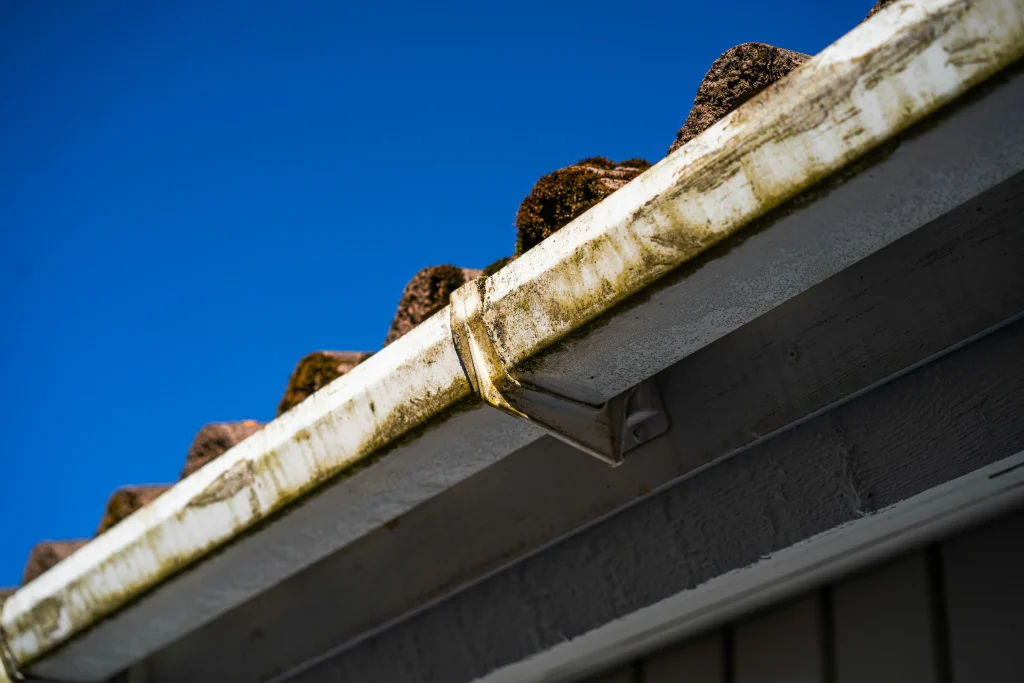
Repairing Leaks and Damaged Components
Cleaning can restore water flow, but it will not help much if damaged components continue to restrict drainage. Once you identify the weak points, targeted repairs can bring your gutter drainage system back to better working condition.
Sealing Seams and Small Holes
Start by drying the affected area before applying a gutter-grade silicone sealant along failing joints. If rust has spread across a larger section, replacement is usually more reliable than repeated patching. Older seams may need resealing every few years as prolonged sun exposure gradually weakens the sealant.
Replacing Worn Brackets and Hangers
Loose, rusted, or bent hangers can affect the gutter’s pitch and prevent water from flowing properly. Replace damaged hardware with hidden hangers screwed securely into the fascia for better support. Before installing new hangers, inspect the wood behind them and replace any softened sections.
Assessing Downspout Condition
A dented or crushed downspout can restrict water flow just when heavy rain sends the most water through the system. Minor dents may be straightened, while severely damaged sections are better replaced. A larger outlet can also improve drainage by allowing more water to move through during heavy rainfall.
Before You Decide: Consider the gutter’s age, the extent of corrosion, fascia condition, and how often repairs have failed. Repeated problems across several sections usually make replacement more practical than continued patching.
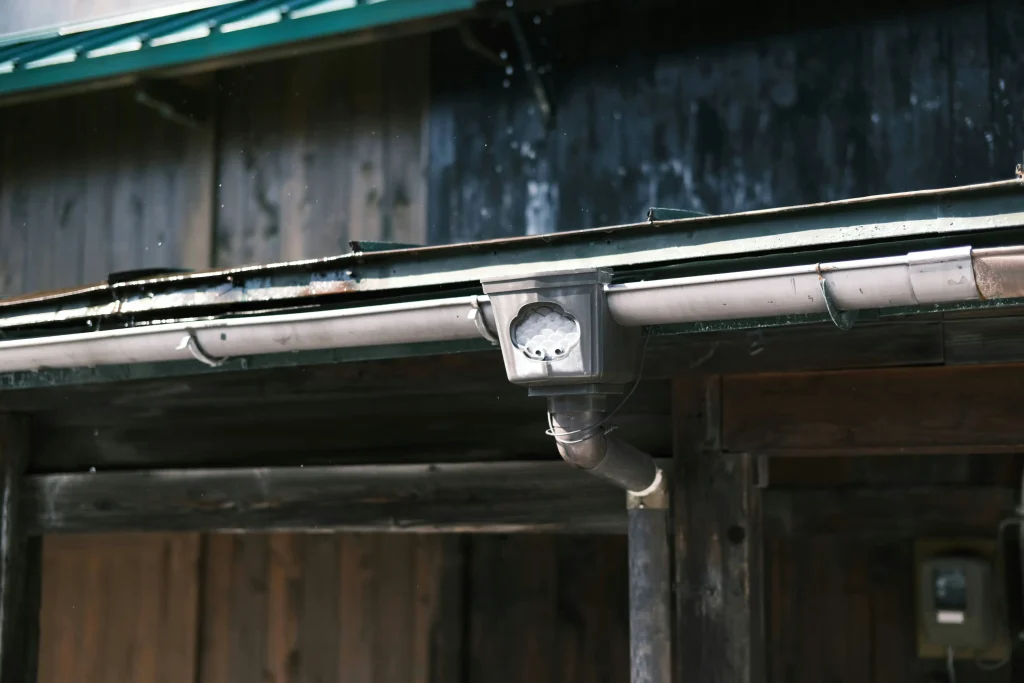
Downspout and Ground Drainage Tips
Getting water into the gutter is only half the job. The rest is moving it well clear of the foundation. Here are some of the tips that you can follow:
Directing Water From the Home
Downspout extensions should carry runoff far enough from the home that water does not collect against the foundation. Depending on the property, extending discharge several feet from the wall can help reduce pooling and soil erosion.
Extensions and Splash Blocks
Add extensions or splash blocks where needed. Extensions direct runoff properly, while splash blocks slow the flow and reduce soil erosion.
Clearing Underground Drain Lines
Buried drain lines can clog with roots, sediment, and debris. Check them periodically for slow drainage or backups, and call a professional if water begins backing up at the inlet.
Quick Comparison: Splash blocks slow and spread surface runoff, while extensions carry water farther from the foundation. The better choice depends on the property’s slope and where water can discharge safely.
Aging Gutter Maintenance Routine
Routine aging gutter maintenance can help older systems maintain steady water flow throughout the year. Here is a simple inspection checklist to help identify drainage issues:
- Clear leaves, dirt, and other debris from gutters and downspouts.
- Look for sagging sections, gaps, and loose fasteners.
- Run a hose from the high end to check how freely water flows.
- Inspect seams and outlets for leaks or signs of wear.
- Check that extensions still direct water safely away from the home.
Pro tip: Do not hesitate to call a professional if you notice widespread rust, sagging that returns after repairs, or leaks that come back season after season. Multistory homes and steep roofs also create fall risks that are not worth taking on as a DIY project. A trained gutter team can identify hidden fascia rot, slope problems, and drainage issues that are easy to miss from a ladder.
Final Thoughts
Restoring drainage in an older gutter system is ultimately about protecting the property before water damage has a chance to spread. When gutters move runoff accurately, they help preserve the roofline, siding, landscaping, and foundation through Utah’s changing seasons while reducing gutter water flow issues.
At Ace Gutter, we bring local experience to that process, helping homeowners and business owners identify where an aging system is losing performance and what can be repaired or improved. Whether the issue is poor drainage, worn components, or recurring overflow, a professional inspection can provide a clear path forward.
If your gutters are no longer keeping up, contact us today and keep your property better protected year-round.
Frequently Asked Questions
How do I know if my aging gutter system needs repair or full replacement?
Repair works when problems stay isolated, such as a single leaking seam or one sagging section. Replacement makes sense when rust, holes, and sagging appear across most runs, since patching a failing system costs more over time.
What causes gutter drainage problems most often in older homes?
Clogs and lost slope cause most gutter drainage problems. Debris blocks the channel while loose hangers flatten the pitch, so water sits instead of draining toward the downspout.
How often should older gutters be cleaned?
Clean at least twice a year, in spring and fall. Homes near heavy tree cover benefit from quarterly cleaning, plus a quick inspection after major storms.
Can gutter guards fix gutter water flow issues on their own?
Guards reduce debris buildup but do not correct slope, leaks, or damaged downspouts. They work best alongside regular inspections and repairs rather than as a standalone solution.

Need Help? Get a free assessment
Get a call back within 1 hour
(During business hours).
Recent Posts
How to Improve Drainage and Water Flow in Aging Gutter Systems?

6 Factors That Can Shorten the Lifespan of Your Gutters

What to Know Before Installing Leaf Guards on Your Existing Gutter System?

How to Fix Standing Water in Gutters and Prevent Future Damage

What Type of Gutter System Works Best With a Metal Roof?
Share
Recent Posts
How to Improve Drainage and Water Flow in Aging Gutter Systems?
October 2, 2026
If you are seeing puddles around your foundation, streaks along the siding, or soggy spots in the yard, your gutters may be struggling...
6 Factors That Can Shorten the Lifespan of Your Gutters
September 24, 2026
TL;DR: Weather, clogs, poor maintenance, installation issues, material quality and physical damage can shorten gutter lifespan. Regular upkeep and timely repairs can help...
What to Know Before Installing Leaf Guards on Your Existing Gutter System?
September 16, 2026
TL;DR: Leaf guards can usually be installed on existing gutters if the system is secure, properly sloped, and draining correctly. The right guard...