May 14, 2021
Jud Smith
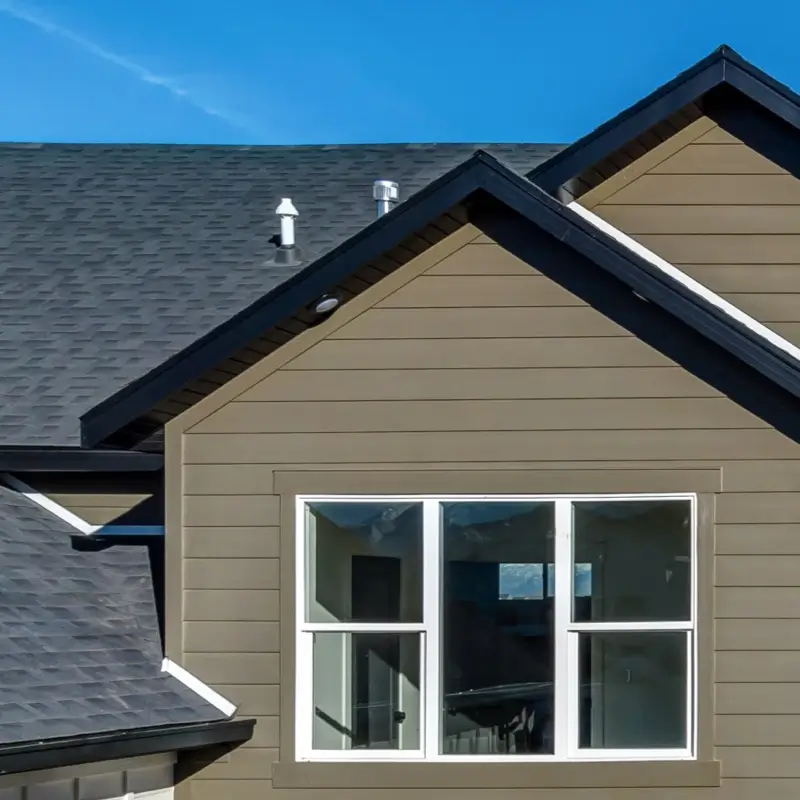
It’s important to protect your siding from water damage. That’s because the siding on your home serves several very important purposes.
- It prevents damage from harmful elements such as wind, ice, and rain
- Siding helps to keep pests like mice and bugs from gaining access to your house
- Your home’s siding is the largest contributor to its overall appearance as well as its potential curb appeal when it comes time to sell
Of all the hazards listed above, it is water that you need to be most concerned with. The mold and rot that moisture can create are not always visible at a glance and can be extremely damaging to your home’s structural integrity.
Your siding does a lot to protect your home. Therefore, it is crucial that you do what you can to protect your siding from water damage.
Inspect Your Siding Regularly
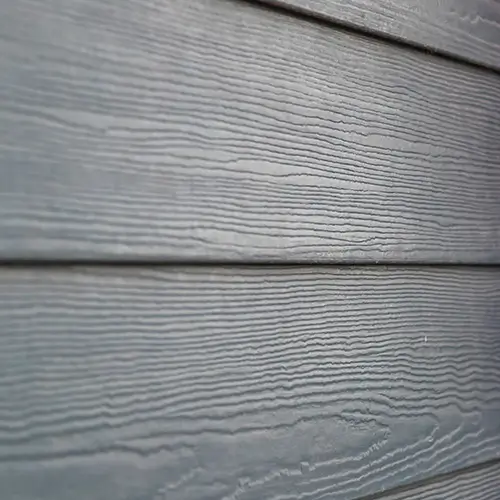
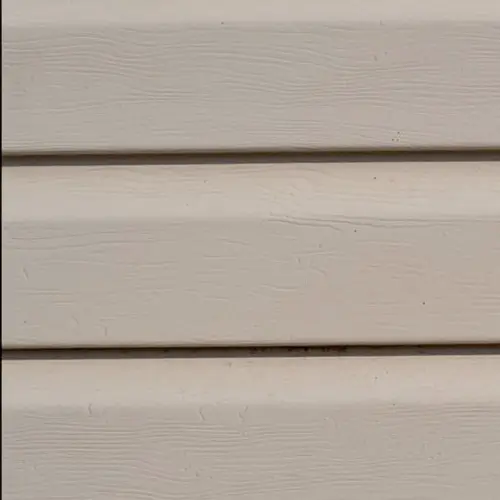
Damaged or incorrectly installed siding may not protect your home from water damage. Wood, vinyl, brick, or stucco siding are all problems if they aren’t working correctly. This is why it is important to inspect your home at least once a year. Look for gaps that may appear between courses of siding or around windows and door frames. These gaps are vulnerable points where water can get behind the siding and settle into the wooden frame of your home or other absorbent materials like insulation. When water gets behind the siding mold and rot are not far behind.
Keep Plants Away from Your Siding
When people consider the dangers of having plants too close to their home, they typically think of the damage tree roots can do to the foundation. This is a valid concern. However, you should also think carefully about the placement of smaller plants like shrubs and bushes.
Plants retain a lot of moisture that can easily be transferred and absorbed by your siding. When this happens, it damages the siding and eventually the vulnerable wood and other materials your siding is designed to protect. Some plants can also attract termites, which can easily migrate from one food source to another?like from a plant to a house.
Generally speaking, you should plant bushes and shrubs at least half the distance of their mature size from your home. For example, if a shrub will mature to a size of about ten feet, plant it at least five feet away from your house.
The Importance of Good Gutters
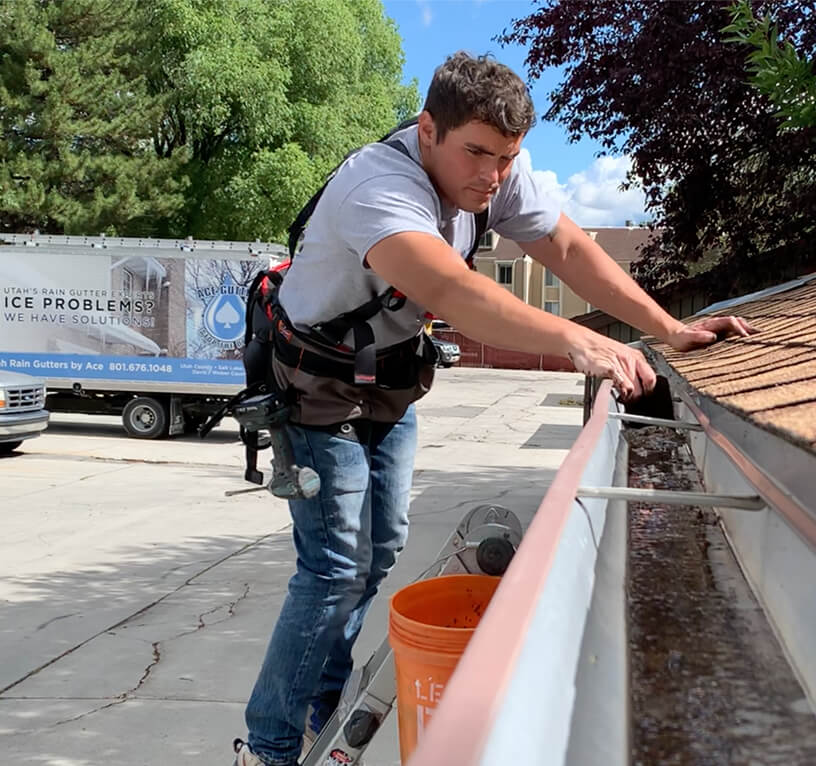
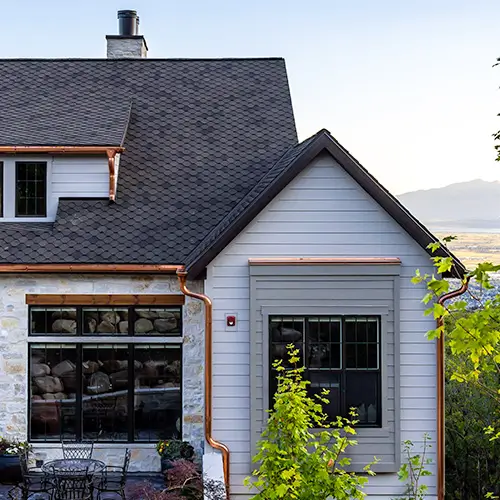
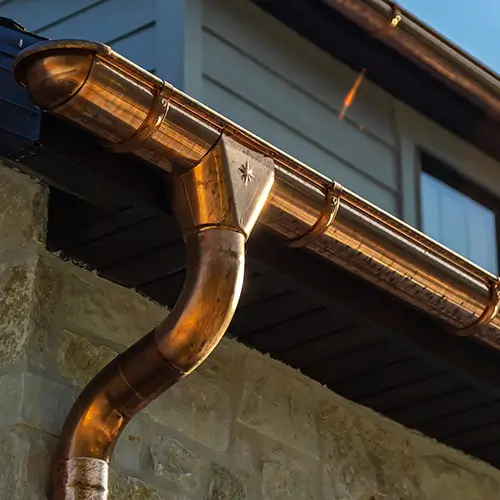
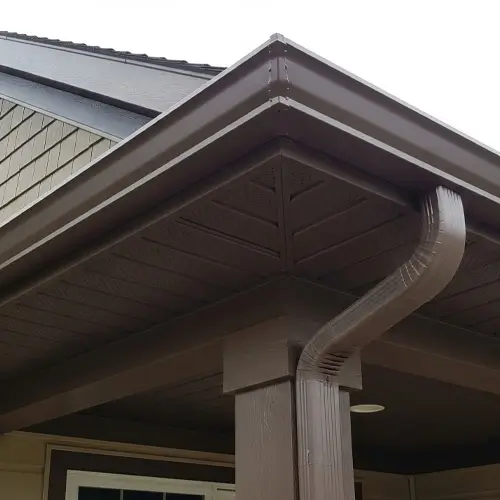
Your home’s primary defense against water damage begins with its rain gutter system. If you allow your rain gutters to become clogged, they won’t be able to channel water away from your home. Instead of that water getting safely diverted into a drainage system, it will wind up running down your siding and getting behind it. Rain gutters are absolutely essential to maintaining your home’s siding and preventing ruinous moisture damage. If you are unable to regularly clean your gutters or check them for clogs, you should consider getting a leaf guard system for your gutters.
Right now is an excellent time for home improvement. We can help you with repairing or replacing your siding as well as your rain gutters. Please give us a call at (801) 676-1048 or fill out our secure online contact form and get your free bid today. Our friendly and knowledgeable staff is always here to answer any questions you have!

Need Help? Get a free assessment
Get a call back within 1 hour
(During business hours).
Recent Posts
How to Improve Drainage and Water Flow in Aging Gutter Systems?
6 Factors That Can Shorten the Lifespan of Your Gutters

What to Know Before Installing Leaf Guards on Your Existing Gutter System?

How to Fix Standing Water in Gutters and Prevent Future Damage

What Type of Gutter System Works Best With a Metal Roof?
Share
Recent Posts
How to Improve Drainage and Water Flow in Aging Gutter Systems?
October 2, 2026
If you are seeing puddles around your foundation, streaks along the siding, or soggy spots in the yard, your gutters may be struggling...
6 Factors That Can Shorten the Lifespan of Your Gutters
September 24, 2026
TL;DR: Weather, clogs, poor maintenance, installation issues, material quality and physical damage can shorten gutter lifespan. Regular upkeep and timely repairs can help...
What to Know Before Installing Leaf Guards on Your Existing Gutter System?
September 16, 2026
TL;DR: Leaf guards can usually be installed on existing gutters if the system is secure, properly sloped, and draining correctly. The right guard...