August 6, 2025
Jud Smith
In many Utah cities, you’re living at 4,000 feet or higher. That high altitude means stronger UV radiation, which increases the risk of sun damage to both your skin and your home’s siding. With summer highs routinely above 90°F, Utah’s climate is tough on exterior finishes, causing colors to fade, panels to warp, and some materials to crack if they’re not made for intense conditions.
If you’ve noticed chalky residue, dull colors, or brittle spots, your siding may be reacting to prolonged sun exposure. Some home siding options can tolerate the heat better than others, but if damage is already showing, it’s time to look into siding repair or even replacement options.
Let’s walk through some effective ways to clean, maintain, and protect your home’s siding, which can help it tackle anything Utah’s weather throws at it.
1. Start with a Thorough Cleaning
Dust, pollen, and dirt can prevent UV protection products or sealants from adhering properly. A clean surface is essential for all your other maintenance work.
A garden hose or a gentle power washer, plus a soft-bristle brush and some mild soap, will do the trick. Start at the top, rinse downward with low pressure, and then scrub with soapy water, especially on sides of your house that face south or get the harshest afternoon sun.
After scrubbing away dirt and grime, rinse thoroughly and let the siding dry completely before starting any repairs or applying protective products. Don’t apply bleach to your siding; harsh chemicals can permanently damage it and harm your landscaping.
2. Inspect for Damage
Once your siding is clean and dry, take a walk around your home and look closely, particularly on the south- and west-facing sides where the sun hits hardest.
Here are the most common signs of sun or heat damage to watch for:
- Uneven or faded color: Discoloration is often the first sign of sun damage on older or lower-grade home siding options.
- Warped or bulging panels: Intense heat can cause some types of siding for homes to expand or buckle if they weren’t installed with good spacing.
- Cracks, chips, or holes: Even small openings can let in moisture or pests, causing rot or interior wall damage.
- Missing or cracked caulking: Gaps around windows, doors, and joints can create spaces for air leaks or water intrusion, lowering energy efficiency and increasing the risk of structural damage.
3. Re-Caulk Where Needed
Caulk can help in sealing gaps and preventing water or drafts from sneaking into your home’s siding. Over time, UV rays can dry out the caulk, turning it brittle and causing it to crack. When that happens, moisture and air can get behind the siding, which may lead to leaks, mold growth, or even rotting wood frames.
Be sure to check the caulking around your windows, doors, trim, and siding joints. If you notice any peeling, missing spots, or cracks, remove the old caulk and reseal those areas with a high-quality, UV-resistant exterior caulk.
Plus, caulking maintenance prevents hidden moisture damage, stops drafts, and can help you avoid costly repairs or even early home siding replacement.
4. Apply a UV-Protective Coating
If you’re looking for an effective way to fight fading and extend the life of your home’s siding, a UV-resistant coating can help protect fiber cement, engineered wood, or composite siding.
Some vinyl and aluminum siding already comes with built-in UV protection, but that defense weakens over time. A quality protective coating can restore your siding’s finish, slow down color fade, and add an extra layer of weather resistance.
Look for products labeled:
- UV-resistant.
- Fade-blocking.
- Weather-protective.
Follow the manufacturer’s instructions carefully and plan to reapply every few years to keep your siding looking fresh and protected.
5. Repaint or Refresh Faded Siding
When your siding looks faded, patchy, or dull, a fresh coat of UV-resistant paint can restore its appearance and add a layer of protection. Use high-quality exterior paint with built-in sun protection to slow future fading. Lighter colors also help; they reflect sunlight and decrease surface heat.
Rub the coating with your hand. If a chalky residue comes off, the existing paint is worn, and it’s time to repaint.
Before painting, a little preparation can help you make sure the results last. Here’s how to do it:
- Clean the surface: Dirt, mildew, and residue stop paint from bonding. Cleaning guarantees smooth, even coverage that won’t peel early.
- Sand rough or peeling areas: Flaky or uneven patches create weak spots in the paint job. Light sanding helps the new paint grip and look uniform.
- Prime if needed: Bare wood, repaired areas, or porous materials like fiber cement may need a primer to help the top coat stick perfectly and wear evenly.
6. Keep Up with Annual Maintenance
It’s easy to forget about your siding after it’s installed, but regular care helps you avoid costly repair bills.
Here’s an easy-to-follow summer checklist for effective siding repair and maintenance:
- Clean your siding at least once a year: Use a gentle siding cleaner for the house to remove dirt, mold, and stains. If you live near trees, dusty roads, or a construction site, aim for a cleaning every six months to stop grime from building up.
- Inspect for damage each season: Walk around and look for cracks, warping, or loose panels. Catching issues early makes it easier and cheaper to fix them before they get worse.
- Touch up paint and caulking as needed: Gaps or peeling paint let water in. Filling in cracks and repainting a few places each year can help your siding last, and you won’t need urgent siding replacement for your home.
- Reapply protective coating every 2–3 years: If you have wood or fiber cement siding, choose a UV- or water-resistant coating. Keeping up with this routine helps your siding tolerate Utah’s harsh sun and sudden rainstorms effectively.
Final Thoughts
Utah’s dry heat and intense sunshine can cause fading, cracks, and brittleness in your siding over time. If your siding is faded, cracked, or needs a professional’s touch, Ace Gutter Inc. can help you solve the problem.
From small repair jobs to full home siding replacement, our team offers free inspections and expert guidance. We’ll help you explore the best siding for homes in Utah’s climate and recommend the right solution, whether you need a refresh or a major upgrade.
Contact us today to schedule your free estimate!

Need Help? Get a free assessment
Get a call back within 1 hour
(During business hours).
Recent Posts

How to Know When Your Chimney Cap Needs Replacement
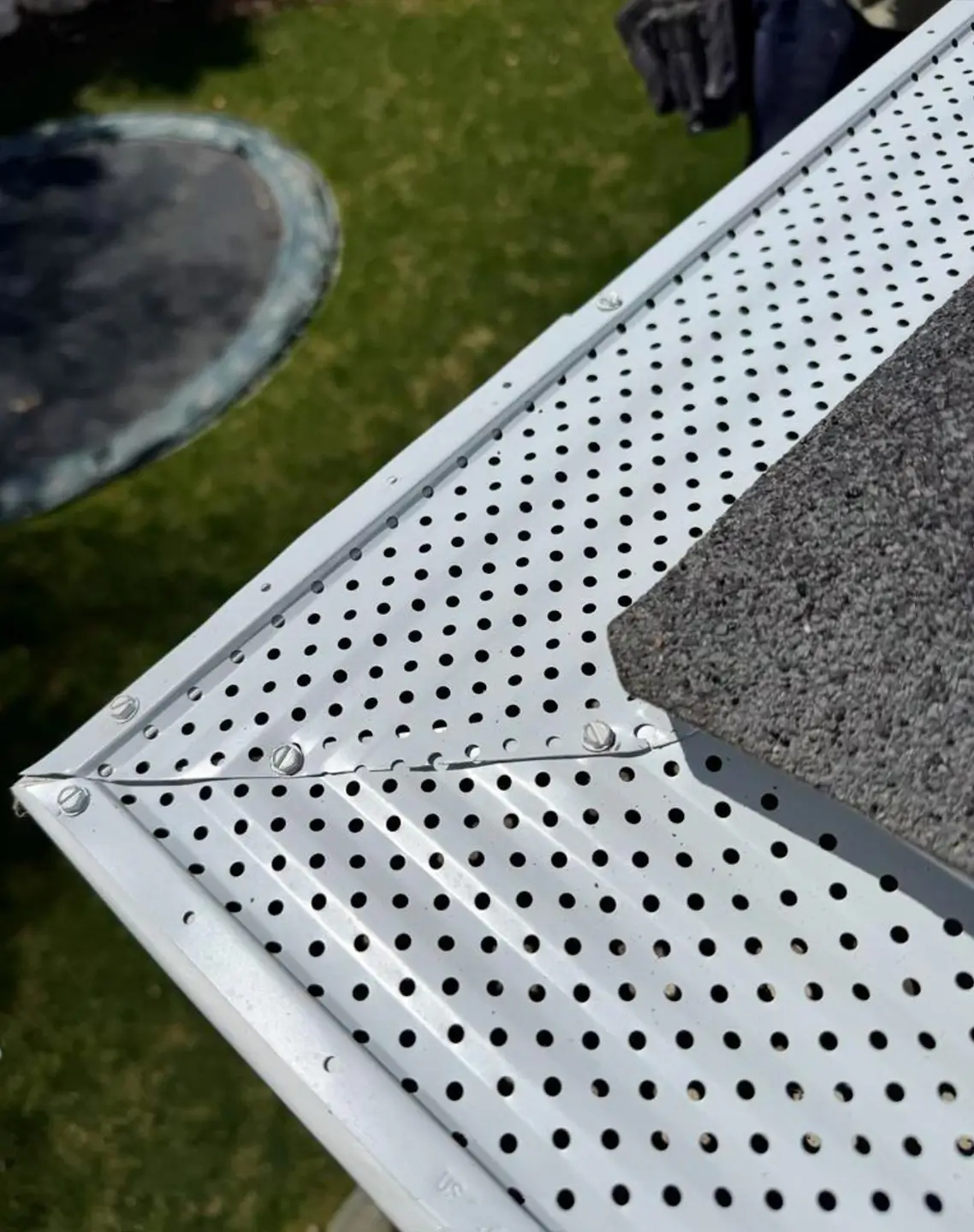
Can Leaf Guards Be Installed on Older Gutter Systems?
What Type of Gutter Guard Handles Shingle Granules and Fine Debris?
How Long Do Gutter Guards Last and When Should You Replace Them?

What Are Box Gutters and Which Homes Benefit From Their Higher Capacity?
Share
Recent Posts
How to Know When Your Chimney Cap Needs Replacement
August 28, 2026
Chimney caps sit at the top of the flue, where they block rain, snow, leaves, pests, and animals while still letting smoke and...
Can Leaf Guards Be Installed on Older Gutter Systems?
August 19, 2026
TL;DR: Older gutters can often support leaf guards when they are secure, properly sloped, free of major leaks, and attached to sound fascia....
What Type of Gutter Guard Handles Shingle Granules and Fine Debris?
August 11, 2026
TL;DR: Fine-mesh gutter guards are generally the strongest choice for controlling shingle granules and other small roof debris. Proper fit, steady water intake,...