January 5, 2026
Jud Smith
Utah storms can be unpredictable, bringing hail, heavy rain, strong winds, and winter ice that put significant stress on your gutter system. While roof damage often gets immediate attention, gutters are just as vulnerable and frequently overlooked after a storm passes.
Hail damage to gutters, ice buildup, and wind impact can cause dents, cracks, or loose sections that disrupt proper water flow. When gutters are impacted, rain and melting snow can spill where they should not. This increases the risk of siding damage, foundation erosion, and moisture issues around your home.
Knowing how to inspect your gutters after a storm helps catch problems early and prevent minor issues from turning into costly repairs.
Why Storm Damage to Gutters Is Common in Utah
Utah’s climate creates ideal conditions for gutter damage throughout the year. From spring hailstorms to winter freeze-thaw cycles, gutters are repeatedly exposed to sudden impacts and heavy loads.
Some of the most common storm-related causes of damaged gutters in Utah include:
- Strong wind and hail that dent, crack, or loosen metal gutters and downspouts. According to the Insurance Information Institute, one in 40 insured homes files a property damage claim related to wind and hail each year.
- Heavy rain that overwhelms gutters already affected by minor misalignment or debris buildup
- Snow accumulation that adds prolonged weight to gutter systems
- Ice buildup that expands during freeze and thaw cycles, stressing seams, hangers, and attachment points
Over time, these conditions can lead to ice-damaged gutters, sagging sections, and drainage problems that are not always obvious from the ground. Regular inspections after storms help homeowners spot issues before water begins damaging other parts of the home.
Safety Tips Before Inspecting Your Gutters
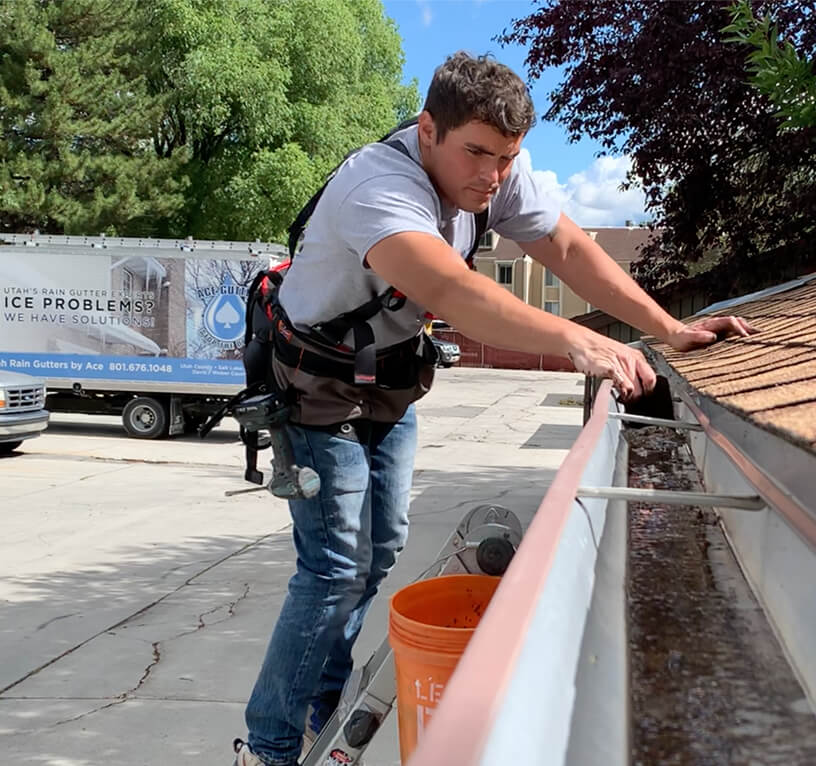
Before checking gutters for damage after a storm, it is important to consider safety. Wet surfaces and unstable ladders can turn a simple inspection into a serious hazard, especially after a windstorm or winter weather.
Keep these safety tips in mind before you begin:
- Wait until the storm has fully passed and surfaces are dry
- Inspect from the ground first using binoculars to spot obvious issues
- Use a sturdy ladder placed on level ground
- Wear gloves to protect against sharp metal edges and debris
- Avoid climbing onto the roof, especially if it is steep or icy
If you notice obvious signs of a sagging or loose gutter system, it is best to contact a professional gutter service company. In many cases, what looks minor from the ground can indicate deeper structural problems that require experienced evaluation.
Signs of Hail Damage to Gutters
Hailstorms are one of the most common causes of gutter damage in Utah. Even small hail can leave behind problems that affect how your gutters function over time.
Visible Dents and Surface Damage
Hail damage to gutters often appears as dents or dimpling along the gutter channels. While this may look cosmetic at first, repeated impacts can weaken the metal and reduce proper water flow. Painted or coated gutters may also show chipped or flaking finishes after a hailstorm.
Bent Sections and Loose Connections
Larger hailstones can knock gutters out of alignment or loosen fasteners. This may cause sections to tilt or pull slightly away from the fascia, creating gaps where water escapes instead of draining through downspouts.
Downspout Damage
Hail-damaged gutters often include dented or disconnected downspouts. Since downspouts direct water away from your foundation, damage here can lead to pooling near the base of your home.
How to Identify Ice Damage to Gutters After Winter Storms
Ice damage to gutters often develops slowly and becomes noticeable after snow begins to melt. Freeze-thaw cycles repeatedly put pressure on gutter systems throughout the winter months.
Ice buildup can cause gutters to:
- Sag under excess weight
- Pull away from the roofline
- Separate at seams and joints
- Bend or warp along long runs
Ice dams can also force water backward under shingles, increasing the chance of moisture problems around the roof edge. Inspecting gutters in early spring is one of the best ways to catch ice-related damage before heavy rain arrives.
General Warning Signs of Damaged Gutters After Any Storm
Not all storm damage is caused by hail or ice. High winds and heavy rainfall can create issues that develop over time if left unaddressed.
Look for these common signs of damaged gutters:
- Water spilling over the edges during rainfall
- Gutters pulling away from the fascia board
- Cracks, splits, or rust spots along the gutter channels
- Standing water that does not drain properly
- Loose or disconnected downspouts
Even one of these issues can interfere with proper drainage and increase the risk of water damage around your home.
Checking for Hidden Gutter Damage Around Your Home
Some gutter problems are easier to spot by looking at the areas the gutters are meant to protect. After a storm, walk around your home and check for signs that water is not being directed away properly.
Watch for:
- Water stains or peeling paint on siding
- Soft or rotting fascia boards
- Soil erosion near the foundation
- Pooling water around walkways or basement walls
These warning signs often point to underlying gutter issues, even if the gutters themselves look intact from a distance.
When Gutter Damage Should Not Be Ignored
Minor gutter issues can quickly turn into larger problems if storms continue to stress the system. Repairs may no longer be effective when damage becomes widespread. FEMA notes that poor drainage and uncontrolled roof runoff can contribute to foundation damage and moisture intrusion, especially after severe storms or prolonged winter weather.
You may need professional gutter repair or replacement if:
- Sagging gutters that pull away in multiple areas
- Leaky gutters continue after basic cleaning or reattachment
- Several sections show hail or ice damage
- Downspouts repeatedly detach
- Clogged gutters that do not drain properly, even after debris removal
Addressing damaged gutters early can protect your roofline, siding, and foundation from ongoing water exposure.
Why Professional Gutter Inspections Matter After Severe Storms
While visual inspections are helpful, some storm damage is difficult to identify without experience. Professionals can safely assess gutter alignment, attachment points, and overall drainage performance.
A professional inspection can uncover:
- Hidden seam separation
- Fasteners that have loosened beneath the gutter edge
- Subtle alignment issues affecting water flow
- Structural damage caused by repeated ice buildup or hail impact
This type of evaluation is especially valuable after major hailstorms or long winters with heavy snow accumulation.
How Ace Gutter Inc Helps Utah Homeowners After Storm Damage
Ace Gutter Inc works with Utah homeowners to identify and address storm-related gutter issues before they lead to larger repairs. Our team understands how local weather patterns affect gutter systems throughout the year. Services include thorough inspections, targeted repairs, and full gutter replacements when necessary.
FAQs: Gutter Damage After a Storm
1) What are the most common signs of gutter damage after a storm?
The most obvious signs include sagging sections, visible cracks, gutters pulling away from the fascia, and water spilling over the edges during rainfall. Dents from hail, loose downspouts, and standing water in the gutter channels can also indicate damage that needs attention.
2) Can minor damage to gutters cause bigger problems?
Yes, even minor damage can lead to larger issues over time. Small cracks or loose fasteners may allow water to escape in the wrong places, increasing the risk of siding damage, soil erosion, and basement flooding if water pools near the foundation.
3) How does regular maintenance help prevent storm-related gutter damage?
Regular maintenance helps identify small issues before storms make them worse. Cleaning debris, checking fasteners, and inspecting for early signs of wear allow gutters to handle heavy rain, hail, and ice more effectively throughout the year.
4) Do gutter guards help protect against storm damage?
Gutter leaf guards can reduce debris buildup and improve water flow during heavy rainfall. While they do not prevent hail or ice damage, they support regular maintenance efforts by lowering the chance of clogs that can contribute to overflow and drainage problems.
5) When should I call a professional instead of inspecting gutters myself?
If you notice visible cracks, repeated leaks, sagging gutters, or signs of basement flooding, it is best to contact a professional. Severe storm damage and hard-to-reach areas often require trained inspection to identify problems that are not obvious from the ground.
Schedule a Gutter Inspection After Your Next Storm
Storm damage is not always obvious right away, but waiting too long to inspect your gutters can allow small issues to worsen. Taking time to check your gutters after hail, wind, or winter storms helps protect your home and avoid unnecessary repair costs.
If you suspect damaged gutters or notice signs of drainage problems, scheduling a professional inspection is a smart next step. Ace Gutter Inc is here to keep Utah homeowners’ gutter systems working properly after every season.
Call (801) 676-1048 or reach out online to schedule your free estimate today.

Need Help? Get a free assessment
Get a call back within 1 hour
(During business hours).
Recent Posts
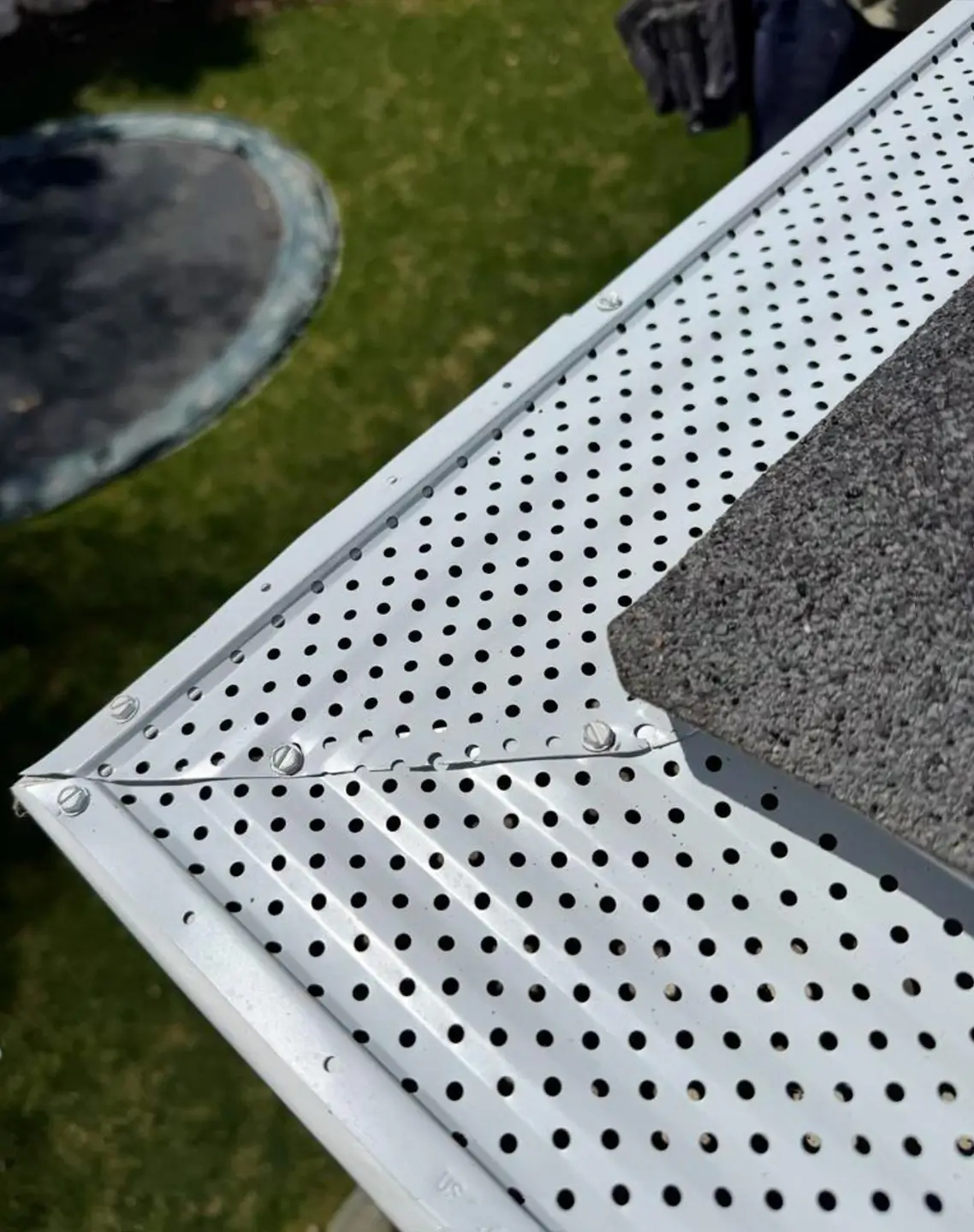
Can Leaf Guards Be Installed on Older Gutter Systems?
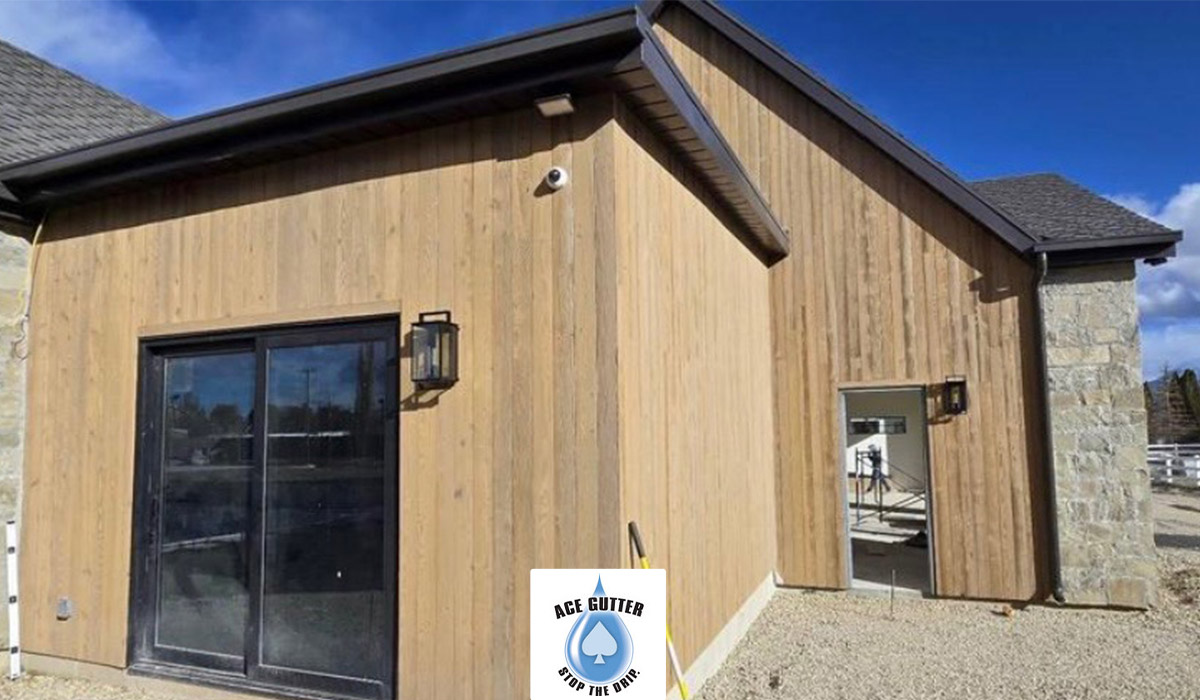
What Type of Gutter Guard Handles Shingle Granules and Fine Debris?
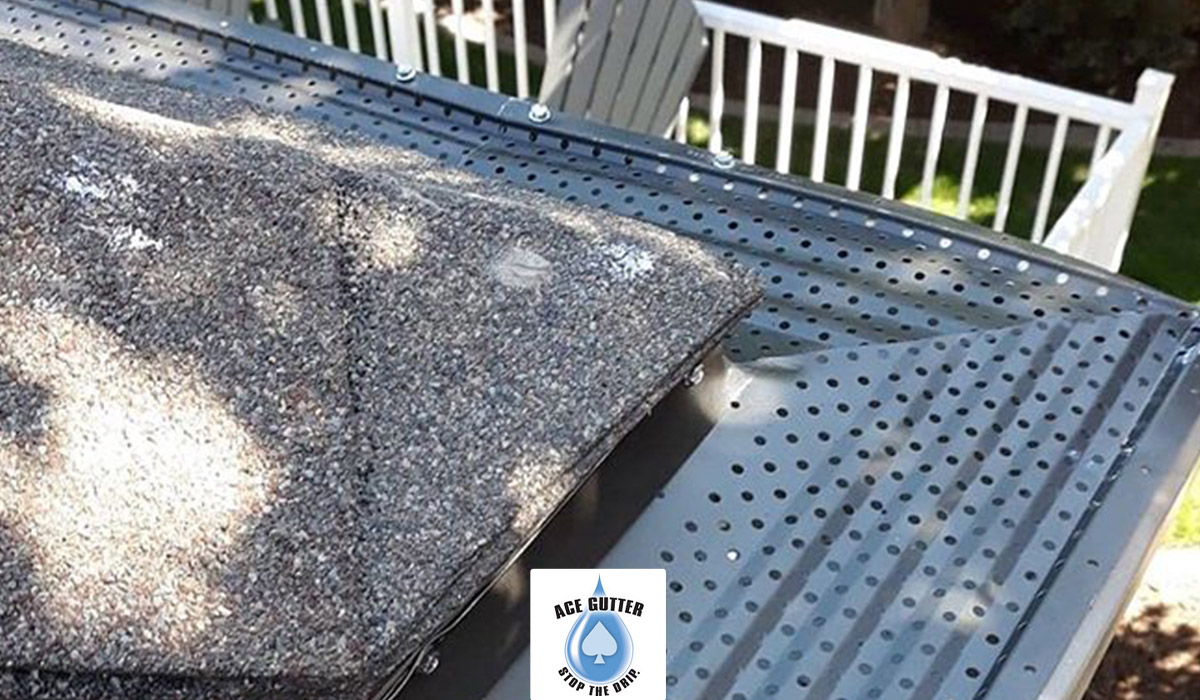
How Long Do Gutter Guards Last and When Should You Replace Them?

What Are Box Gutters and Which Homes Benefit From Their Higher Capacity?
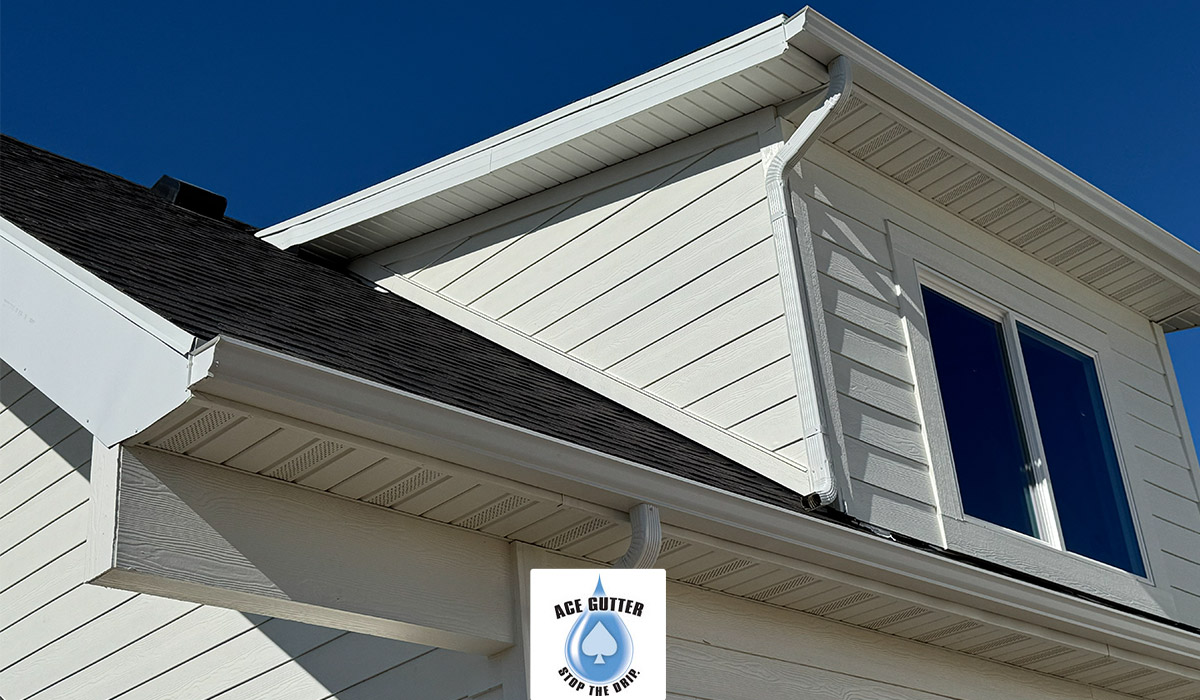
Which Gutter Style Works Best for Homes With Steep Rooflines?
Share
Recent Posts
Can Leaf Guards Be Installed on Older Gutter Systems?
August 19, 2026
TL;DR: Older gutters can often support leaf guards when they are secure, properly sloped, free of major leaks, and attached to sound fascia....
What Type of Gutter Guard Handles Shingle Granules and Fine Debris?
August 11, 2026
TL;DR: Fine-mesh gutter guards are generally the strongest choice for controlling shingle granules and other small roof debris. Proper fit, steady water intake,...
How Long Do Gutter Guards Last and When Should You Replace Them?
August 6, 2026
TL;DR: Gutter guard lifespan depends on the material, installation quality, local weather, and ongoing maintenance. Regular inspections can help identify damage, overflow, loose...