September 11, 2024
Jud Smith
Winter can be tough on your Utah home, especially if you live in an area where heavy snowfall and bad weather are common. In 2023, Utah’s snowpack was more than 175% above normal in many places. Given how the weather is shifting, you’ve got to give your home all the protection it needs.
One of the common problems during winter is ice buildup in your gutters, which can lead to ice dams. Ice dams happen when water freezes along the roof’s edge, causing water to back up and damage your roof, walls, and insulation.
Many Utah homeowners turn to roof ice-melting systems to protect their gutters. These systems are designed to keep ice from forming in the gutters and downspouts, protecting your home from costly water damage. However, before you decide to install one, you need to consider a few key things first.
Let’s go over these factors so you can choose the right ice melt system for your roof.
1. Climate and Weather Patterns in Your Area
The first thing you should think about is your local climate. Roof ice melt systems are typically installed in regions that are home to harsh winters with heavy snow. If your area doesn’t get cold enough or only has occasional snow, you may not need an ice melt system.
However, if you deal with freezing temperatures for weeks, investing in an ice melt system for your roof is a smart move. Sandy, Cottonwood Heights, and Holladay are a few of the snowiest cities in Utah. If you live in or near one of these cities, you might benefit from a roof ice melting system as they can prevent ice dams or icicles, which can cause gutter blockages.
2. Types of Ice Melt Systems
In Utah, you can typically find two main types of roof ice melt systems:
Heat Cables
These are the most popular roof ice melt systems. Heat cables are installed along the edge of the roof, in gutters, and downspouts. They use electricity to warm the gutters and prevent ice from forming. They’re flexible and easy to install but require regular maintenance to ensure they stay effective.
Heated Roof Panels:
Although they cost more upfront, these systems are highly energy-efficient in the long run. Heated roof panels are installed directly on the roof around the edges, which not only prevents ice dams but also boosts your curb appeal. We recommend heated panels if you want to install a flat roof ice-melting system that looks great and saves energy while protecting your home.
3. Energy Consumption and Costs
Another critical factor you will have to consider is how much energy your roof ice melt system will use. Typically, you may be in for a $60+ increase in your monthly electric bill. However, you can cut these costs if you consider a few things.
For one, install energy-efficient heated roof panels if your budget allows you. Although the installation is more expensive, these self-regulating systems can help you keep your electric bills in check.
Secondly, you can install self-regulating heated cables. These systems turn on when the ambient temperature drops and turn off when it rises. They consume electricity only when there is a need to melt the snow. In other words, these roof ice melt systems can protect your house without breaking the bank.
4. Maintenance Requirements
Roof ice melt systems do need maintenance to keep them working as expected. You’ll need to inspect them before each winter season to replace damaged or worn-out cables. If you’ve installed heat cables, check them for any signs of cracking or fraying.
Furthermore, be sure to clean out your gutters before the snow arrives. Leaves and debris can clog them and prevent your roof ice melt system from doing its job. A clogged gutter can cause water to back up, leading to ice dams, even with a working system.
You’ll also want to monitor the system throughout the winter to see if it’s working as intended. Any sections that aren’t getting warm enough may need to be repaired or replaced immediately to prevent water damage.
5. Lifespan of Heated Cables
Before investing in a roof ice-melting system, consider how long it’s going to last. High-quality systems can last for several years with proper maintenance. Heated cables usually have a lifespan of around 5 to 10 years, while roof panel systems can last even longer, sometimes up to 20 years.
However, the lifespan of a system will depend on the quality of the installation and the type of materials used. Cheaper systems may not last as long and could require frequent repairs or replacements, which will add to your costs over time.
6. Installation Process
Installing a roof gutter ice melt system requires some planning. If you’re handy, you might want to install the system yourself, but it’s often best to hire a professional. Incorrect installation could lead to inefficient heating or even electrical hazards.
For heat cables, the installation process is relatively simple. The cables usually get laid along the roofline and gutters in a zigzag pattern. They must be secured properly and plugged into an outdoor outlet.
Roof panel systems, on the other hand, require more work. The panels need to be mounted onto the roof and connected to a power source. However, since both systems involve working on the roof, we recommend hiring a professional to ensure a proper setup and avoid safety risks.
Final Thoughts
Installing an ice melt system for your roof is a smart investment. It can prevent costly water damage to your home by keeping ice from building up in your gutters and downspouts. However, before you decide, consider factors like the type of system, energy consumption, installation costs, and maintenance. Research and planning can help you find a roof ice melt system that works efficiently and keeps your home safe from winter damage.
As far as installation is concerned, we are here to help. At Ace Gutter Inc., we offer both heated cables and panels. Since 1998, we have been proudly serving homeowners in the state of Utah. Contact us today to schedule your installation.

Need Help? Get a free assessment and bid
Get a call back within 1 hour
(During business hours).
Recent Posts
Share
Recent Posts
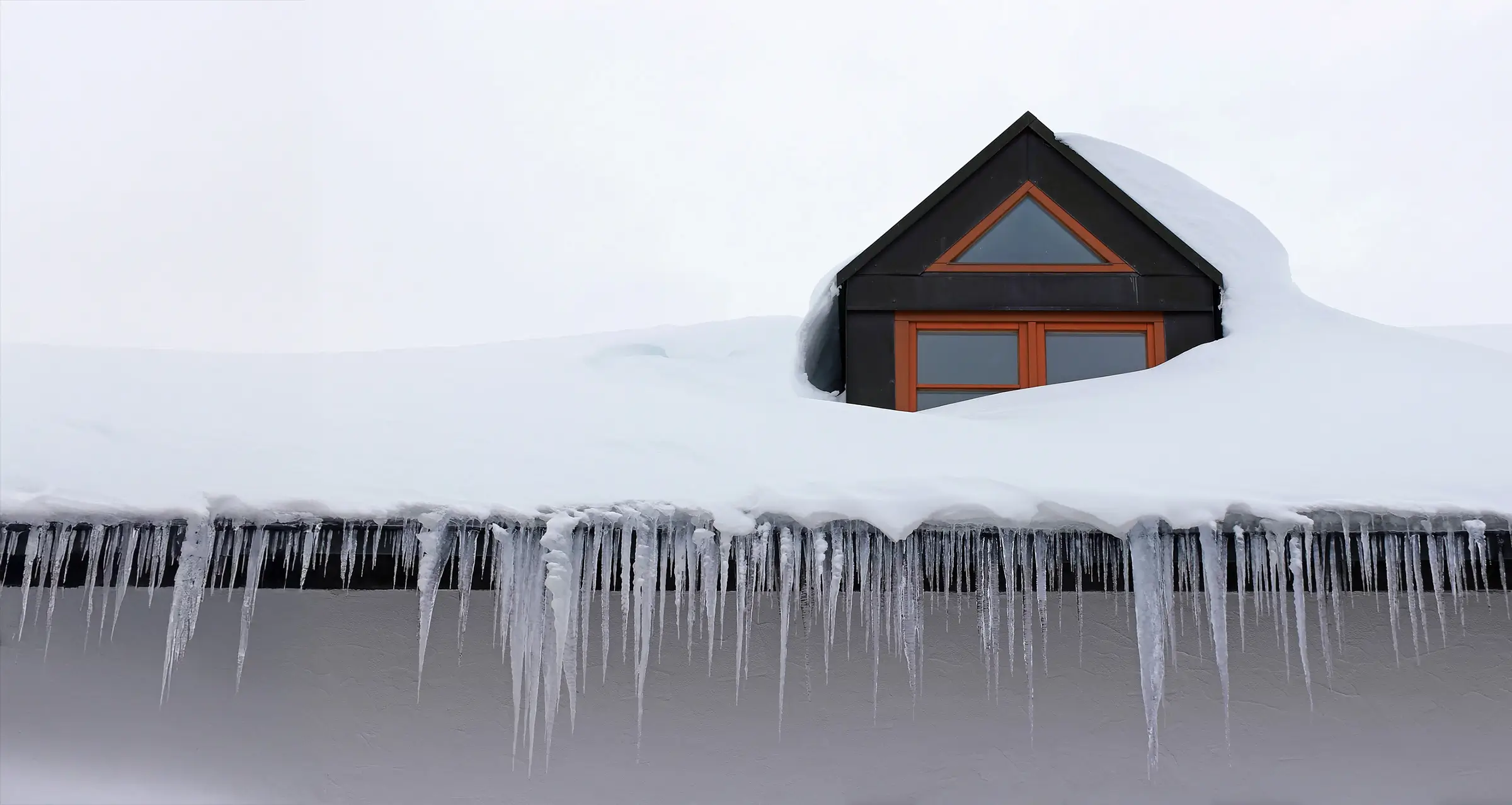
What Are the Dangers of Gutter Icicles and How to Prevent Them
December 31, 2025
Utah is a paradise for anyone who loves winter weather. Once the season begins, the snow turns the whole region into a clean,...
Why Improper Gutter End Cap Sealing Is an Overlooked Problem in Utah
December 19, 2025
Most homeowners in Utah expect their gutters to struggle with obvious problems like ice dams, snow, or spring runoff. However, some of the...
What Is Gutter Flashing and Why Is It Important for Leak Prevention?
November 15, 2025
If you’ve ever cleaned out your gutters and noticed dark streaks on the wood behind them, or felt soft spots along the roof’s...