September 27, 2024
Jud Smith
TL;DR
This guide explains installing heat tape to prevent ice buildup in gutters and downspouts. It covers layout planning, securing cables, electrical setup, and safe routing. It also explains how heat tape helps maintain water flow during freezing temperatures and reduces ice dam formation risks.
You might be thinking, “Do I need gutter heat tape? Can’t my gutters and roof just handle the winter on their own?”
Well, maybe for a bit, but eventually, all the ice buildup can damage your home.
When your gutters get clogged with ice, they warp, sag, and crack. Before you know it, they’re leaking and spilling water down the side of your house, wreaking havoc on your siding, landscaping, and even the foundation. No one wants to deal with that.
Long story short: gutter heating cable installations can save you a whole lot of hassle! So, if you’re tired of battling icicles and ice dams, here’s how to install heat tape in your gutters and downspouts.
The Benefits of Heat Tape for Gutters
Heat tape for gutters is one of those things you don’t think about until Utah’s brutal winter hits, and suddenly your gutters are frozen solid!
- Prevents Ice Dams and Icicles: No more worrying about icicles hanging off your roof. Heat tape keeps your gutters ice-free, so you don’t end up with ice dams that damage your roof and cause leaks.
- Protects Your Roof: Water trapped by ice can seep under shingles, freeze, thaw, and cause leaks. By preventing ice dams, heat tape helps protect your roof from water backups.
- Less Gutter Maintenance: Forget climbing up a ladder to chip away at ice or constantly dealing with frozen gutters. With rain gutter heat tape, the ice melts before it can clog things up.
- Makes Your Gutters Last Longer: The freeze-thaw cycle is brutal on gutters. Heat tape reduces the strain by stopping ice buildup, meaning fewer cracks, warps, and repairs.
- Saves You Money in the Long Run: While heat tape is an investment upfront, it’s much cheaper than dealing with roof repairs, gutter replacements, or foundation damage down the road.
Tools and Materials You’ll Need
Proper heat tape installation in Utah starts with gathering the right materials. Here’s what you’ll need:
- Heat tape or heat cable (self-regulating)
- Gutter clips and spacers (usually included with the heat tape)
- Measuring tape
- Extension cord (if needed)
- Zip ties or cable ties
- Ladder
- Gloves
- Screwdriver or drill (if needed)
Got everything? Great! Let’s move on.
Step 1: Measure Your Gutters
Before buying your heat tape, you’ll need to know the amount you require. Measure the length of your gutters and downspouts where you plan to install the tape, both horizontally and vertically. Most manufacturers recommend adding an extra 10-20% length to account for bends and curves.
Step 2: Install the Gutter Clips
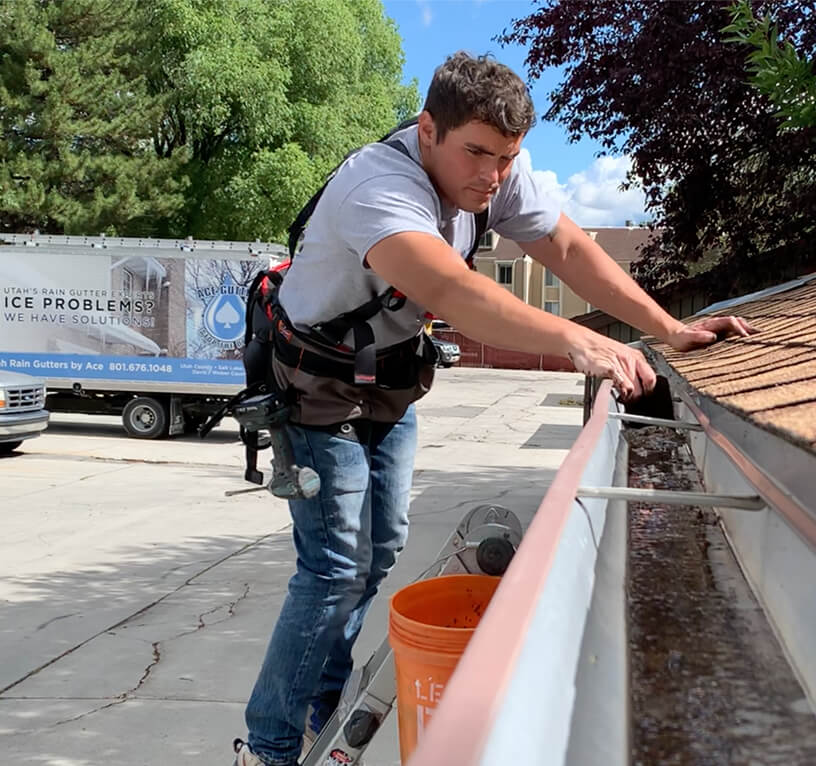
Now that you have the right amount of gutter heat tape, it’s time to start the installation. Typically, heat tape kits come with clips that help you secure the cable in place. You’ll need to attach these to the edge of the gutters.
Here’s how to do it the right way.
- Start at the highest point of your gutter (usually near the roofline).
- Snap or screw the gutter clips into place every 12-18 inches along the length of your gutter. Make sure they’re spaced evenly for a neat installation.
- If your clips don’t have screws, you may need to drill small pilot holes to keep them in place.
Safety Tip: Always wear gloves and safety goggles when working on a ladder. Have someone spot you to ensure stability.
Step 3: Attach the Heat Tape to Your Gutters
With your clips installed, you’re ready to put the heat tape in place. Hang in there: this is the halfway point.
- Begin at the lowest point of your downspout and work your way up to the top of the gutter.
- Attach the heat tape to the clips you installed earlier. See that it’s snug but not too tight- over-stretching can reduce its effectiveness. The tape needs to sit firmly against the gutter for it to work.
- For the best results, lay the tape in a zigzag pattern. This way, it covers more surface area and allows for even heating.
Step 4: Secure the Heat Tape in the Downspouts
Heat tape isn’t just for your gutters; it’s equally important to run it through your downspouts. Blockages in downspouts can back up water and create dangerous ice dams on your roof.
- Feed the tape down the entire length of the downspout.
- Attach the tape to the inside using zip ties or cable ties. It should be held in place every 12-18 inches.
- Extend the end of the heat tape slightly out of the downspouts. Doing this allows the melted water to flow freely, without refreezing at the exit.
Step 5: Connect the Heat Tape to Power
Once the tape is secured to your gutters and downspouts, it’s time to power it up.
- Locate an exterior outlet near your gutters. If the cable is too short, use an outdoor-rated extension cord to bridge the gap.
- Plug the heat tape into the outlet and make sure it’s getting power. Most heat tapes have an indicator light to show that they’re working. Check the manual for specific instructions.
- If your heat tape is self-regulating, it will adjust its temperature automatically based on the weather conditions. If not, you may need to turn it on and off manually or use a timer.
Step 6: Test the Heat Tape
Let the heat tape run for a bit. After about an hour, touch the surface of the tape to see if it’s warming up. It should feel slightly warm but not hot.
If the tape isn’t heating, check the connections and make sure it’s properly plugged in.
Important Note: Never overlap the heat tape on itself. Overlapping can cause the tape to overheat and lead to potential hazards.
Step 7: Inspect Your Work
Take a step back and give your heat tape installation a once-over. Make sure everything looks solid—no loose sections of heat tape hanging out of your gutters or downspouts. Check that all the zip ties and gutter clips are holding the tape securely in place. If anything looks off, now’s the time to fix it before winter kicks in.
Step 8: Maintain Your Heat Tape
You’re almost done, but the job isn’t finished just yet. Heat tape needs a little TLC throughout the winter to work effectively.
- Every few weeks, or after heavy snowfalls, take a quick look at the tape. Check for any wear, fraying, or damage.
- Heat tape works best when your gutters are clear of debris. Clean out any leaves or dirt that might block water flow or affect the tape’s performance.
The Bottom Line
There you have it! By following these simple steps, you’ll have a winter-ready home that can handle whatever freezing temperatures come your way. Also, if you’re unsure about any part of the process, consider consulting a professional to ensure the installation is done right.
Don’t wait until ice dams and frozen gutters cause costly repairs. Keep your roof and gutters ice-free with Ace Gutter Inc professional ice melt systems. Get a free quote today and stay ahead of winter’s worst!
FAQs
What does heat tape do in gutters?
Heat tape adds controlled warmth to gutters and downspouts. It helps keep melted snow and ice moving through the drainage system.
Where should heat tape be installed?
It should be placed along gutter runs and inside downspouts. These are the areas where ice buildup usually blocks water flow.
Is heat tape safe for all gutter materials?
Yes, most gutter materials support heat tape when installed correctly. Proper spacing and placement help avoid surface damage.
Does heat tape run continuously?
No, it turns on during cold temperatures based on a sensor or manual control. This helps manage energy use during winter conditions.
Can heat tape replace gutter maintenance?
It only helps with ice control. Leaves, dirt, and other debris still need regular cleaning.

Need Help? Get a free assessment
Get a call back within 1 hour
(During business hours).
Recent Posts

6 Factors That Can Shorten the Lifespan of Your Gutters

What to Know Before Installing Leaf Guards on Your Existing Gutter System?

How to Fix Standing Water in Gutters and Prevent Future Damage

What Type of Gutter System Works Best With a Metal Roof?

How to Know When Your Chimney Cap Needs Replacement
Share
Recent Posts
6 Factors That Can Shorten the Lifespan of Your Gutters
September 24, 2026
TL;DR: Weather, clogs, poor maintenance, installation issues, material quality and physical damage can shorten gutter lifespan. Regular upkeep and timely repairs can help...
What to Know Before Installing Leaf Guards on Your Existing Gutter System?
September 16, 2026
TL;DR: Leaf guards can usually be installed on existing gutters if the system is secure, properly sloped, and draining correctly. The right guard...
How to Fix Standing Water in Gutters and Prevent Future Damage
September 8, 2026
TL;DR: Standing water in gutters is usually caused by debris buildup, poor gutter slope, blocked downspouts, or damaged sections that prevent water from...