November 15, 2025
Jud Smith
If you’ve ever cleaned out your gutters and noticed dark streaks on the wood behind them, or felt soft spots along the roof’s edge, you’ve already seen what happens when water ends up where it shouldn’t.
The area between the roof and the top of the gutter is one of the easiest places for water to sneak through, especially in Utah’s freeze-thaw cycles or during sudden downpours. Luckily, gutter flashing helps stop this from happening.
The flashing is usually out of sight, easy to forget, and doesn’t look very impressive. But a surprising number of leaks, rotting boards, and interior water stains can be traced straight back to it.
In this guide, the Ace Gutter team will cover what gutter flashing is, how it prevents leaks, and how it protects your entire home.
What Is Gutter Flashing?
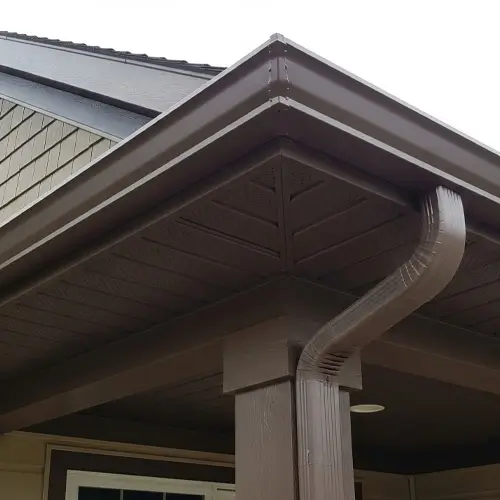
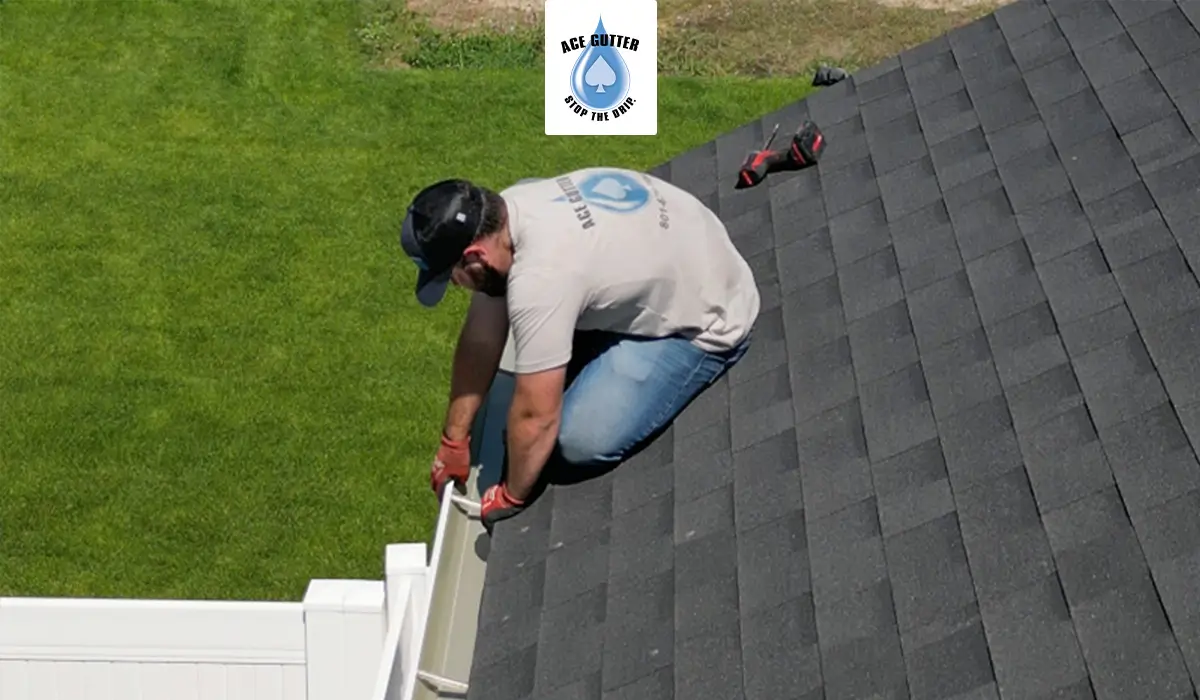
Gutter flashing, sometimes called drip edge flashing, is a thin strip of metal running along the lower edge of your roof, where the shingles meet the fascia and gutter system.
You’ll usually find rain gutters flashing tucked under the first row of shingles, resting over the fascia board, and angled slightly toward the inside of the gutter to guide the water in the right direction.
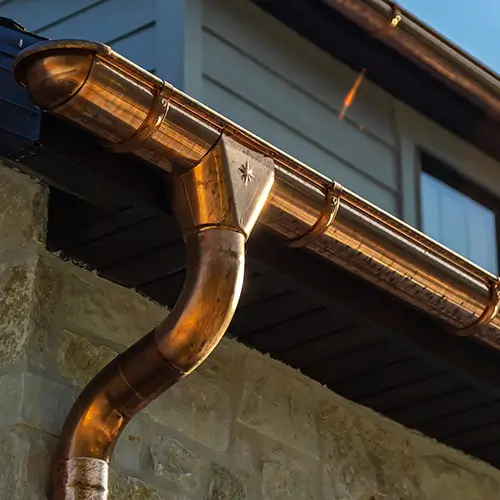
Most flashing is made from aluminum, galvanized steel, or sometimes copper on higher-end homes. However, the material is not as important as the installation. Even top-quality metal won’t do much good if it’s set incorrectly.
How Gutter Flashing Stops Gutter Leaks
Rainwater follows the path of least resistance. Flashing simply makes sure that the path leads into the gutter, not behind it.
Installed properly, flashing keeps water off the fascia, blocks it from soaking into the edges of the shingles, and directs every drop where it belongs. It creates a small but important barrier between moisture and the wood framing below.
Flashing isn’t decorative, and it’s not optional. It’s there to take the hit from repeated exposure, so the rest of the house doesn’t have to.
Common Problems Caused by Bad or Missing Flashing
If your flashing is worn out, rusted, or installed incorrectly, the signs usually show up around the roofline first. Here’s what to watch out for.
Rotting Fascia Boards
The fascia is the horizontal board along the edge of your roof, just behind the gutters. A poor flashing job forces the gutter to run down the back and hit the fascia directly.
At first, you might just see a bit of discoloration. Then the wood starts to soften. Eventually, it can swell, warp, or crumble. As it weakens, it can no longer support the weight of your gutter system properly.
You may see the brackets pulling loose, part of the gutter sagging, or even a visible gap between the gutter and the edge of the roof. Without proper flashing to direct the water properly, the problem just keeps feeding itself.
Peeling Paint Along the Roofline
If you’re starting to see flaking or bubbling paint near the roof edge or around your gutters, chances are moisture is getting into the wood underneath. As the wood absorbs water, it expands and contracts with changes in temperature.
The movement pushes the paint outward until it cracks and starts falling away. Once the surface is exposed, the wood is even more at risk for water damage and rot.
Water Stains on Walls or Ceilings
Yellow or brown stains near the tops of your walls or upper-level ceilings are often mistaken for plumbing leaks.
However, in many cases, the water is coming from the roof edge. It enters through gaps near the gutter flashing, travels along framing or ceiling joists, and finally shows up inside. By the time the stains appear, water has likely made its way through insulation, drywall, or both.
Mold or Musty Smells
Mold may be a small mover. Once it starts, though, it doesn’t stop.
Moisture trapped behind fascia boards or tucked into attic corners creates the perfect space for mold to take hold and spread. You probably won’t see it right away, but you’ll smell it. A damp, musty, or earthy odor near the upper level of your home or inside closets along exterior walls is usually your first clue that water has been sitting where it shouldn’t.
How Long Does Gutter Flashing Last?
Good gutter flashing can last as long as the roof itself, sometimes even longer. Its lifespan varies based on:
- Material used
- Climate
- Quality of installation
- Exposure to salt air or extreme weather
Aluminum flashing usually holds up for a couple of decades, often somewhere in the 20-to-30-year range. Galvanized steel can last a similar amount of time, but it may start to break down sooner if rust sets in. Copper tends to outlast both and can easily go 50 years or more in the right conditions.
The metal itself usually isn’t the main problem. Issues are more commonly caused by rushed installation, gradual shifts in the roof, or wear in the materials around it. Even relatively new homes can run into flashing problems if it wasn’t installed carefully from the start.
When Should You Check Your Flashing?
It doesn’t take much time to give your flashing a quick check, and doing it once or twice a year can save you from bigger, more expensive problems later. The best moments to look are after a heavy storm, once winter has passed, while you’re already up there cleaning out the gutters, or before getting a home ready to sell.
These are the times when hidden damage is more likely to show itself.
As you scan the roof edge and the area around the gutters, keep an eye out for gaps, rusting metal, warped sections, or misaligned pieces. Also, take a look at the wood behind the gutter for dark spots or signs of softness.
If you’re not comfortable checking it yourself, a gutter cleaning service can usually take a look while they’re up there with their gutter cleaning tools.
Can You Replace Flashing Without Replacing the Roof?
In many cases, yes.
Flashing at the gutter line can be removed and replaced without tearing off the whole roof. While the first row of shingles may need to be lifted, a full roof replacement is not always required.
However, if the wood underneath has already rotted, you must repair it before installing new flashing. Otherwise, the same problem will return.
A proper inspection will show whether the damage is limited to the rain gutter flashing or if the fascia and roof decking also need attention.
Protect Your Flashing Before Leaks Exist
Your gutter flashing stands between your house and years of quiet, creeping water damage. You probably won’t think twice about it when everything’s working. But once it fails, you’ll notice, and so will your ceiling, fascia, and wallet.
If you are dealing with signs of water damage near your roofing system or gutters, or if you are planning new gutters or a roof upgrade, do not skip the flashing conversation. It may be the most valuable detail you can add to your home.
Still have questions about your gutter flashing or worried about what you’re seeing along your roofline? The team at Ace Gutter Inc. is ready to help. Reach out anytime to get a professional opinion.
Contact us today!

Need Help? Get a free assessment and bid
Get a call back within 1 hour
(During business hours).
Recent Posts

Share
Recent Posts

What Is a Gutter Apron and Should You Have One Installed?
January 17, 2026
Most homeowners assume their gutters are doing all the work at the roofline, but water has a way of finding the one spot...
What Are the Dangers of Gutter Icicles and How to Prevent Them
December 31, 2025
Utah is a paradise for anyone who loves winter weather. Once the season begins, the snow turns the whole region into a clean,...

Why Improper Gutter End Cap Sealing Is an Overlooked Problem in Utah
December 19, 2025
Most homeowners in Utah expect their gutters to struggle with obvious problems like ice dams, snow, or spring runoff. However, some of the...