January 17, 2026
Jud Smith
TL;DR
This post explains gutter aprons and their role in directing roof runoff into gutters. It covers how aprons prevent water from slipping behind gutters and causing fascia damage. It also discusses when installation makes sense based on roof design, rainfall levels, and existing drainage issues.
Most homeowners assume their gutters are doing all the work at the roofline, but water has a way of finding the one spot that isn’t protected. That’s why a small piece of metal called a gutter apron makes such a big difference, even though most people have never heard of it.
And the risk is real. According to the Insurance Information Institute, about 1 in 67 insured homes files a water-damage or freezing claim each year, making it one of the most common problems homeowners face.
In this guide, we’ll cover:
- What a gutter apron is and how it works
- How it differs from a standard drip edge
- Signs your roof may need one
- Installation basics and common mistakes
- Why adding one protects your home long-term
What Is a Gutter Apron?
A gutter apron is a simple piece of metal flashing installed along the lower edge of your roof, right above the gutter. Its entire job is to guide water off the shingles and into the gutter so it doesn’t slip behind the gutter and soak the fascia, soffit, or siding.
Think of it as the missing link between your roof and your gutters. Without it, water runoff can find its way behind the system, especially during heavy rain, snowmelt, or wind-driven storms.
How a Gutter Apron Is Designed
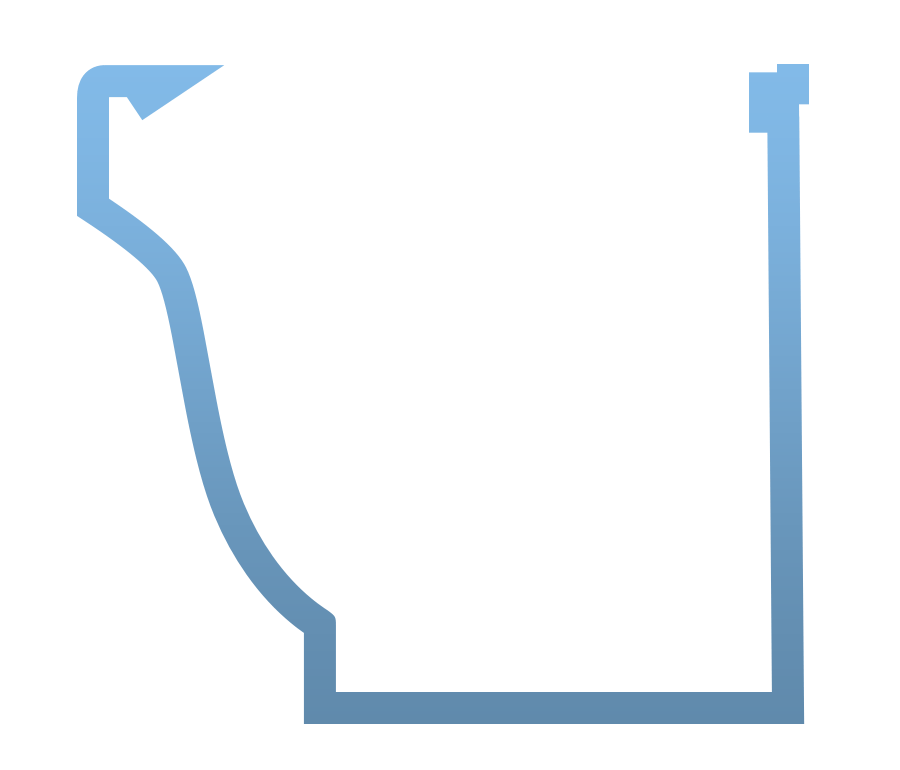
Gutter aprons are typically made from aluminum, galvanized steel, or copper. They’re shaped with a subtle “L” or curved profile that tucks under the shingles and extends out over the back of the gutter. That shape creates a clean, controlled path for water to follow.
Material choice matters. Aluminum is the most common because it doesn’t rust and pairs well with most gutter and roof systems. In climates with freeze-thaw cycles, like Utah, going with a thicker gauge metal provides extra durability.
Where It Sits on the Roof
Unlike other flashing, a gutter apron slides under the starter row of shingles and over the fascia. This placement ensures that water can’t sneak behind the gutter, even under heavy rain or melting ice.
When installed correctly, it becomes one continuous surface that moves water where it belongs.
How Gutter Aprons Work
A gutter apron has one job: make sure water goes into the gutter instead of behind it. Its angled metal profile creates a smooth, reliable path from the bottom edge of your shingles straight into the gutter channel.
Without that bridge, runoff can hit the roof edge, curl backward, and leak behind the gutter. That’s exactly where you don’t want moisture collecting.
Protecting the Roof Edge
When water sneaks behind gutters, it doesn’t take long for the damage to show up. Fascia boards can start to rot, soffits can absorb moisture, and siding can stain or warp. In severe cases, trapped water can even migrate into wall cavities.
A properly installed gutter apron blocks that path. It closes the gap at the roof edge so wind-driven rain, melting snow, and even fine debris can’t work their way behind the system.
Why It Matters in Utah’s Climate
Utah’s weather adds extra pressure to the roofline. Heavy snow, rapid thaws, and ice dams can push water backward under shingles. Sudden cloudbursts in summer can overwhelm unprotected roof edges.
A gutter apron acts like a fail-safe. It keeps runoff flowing in the right direction, even in conditions that challenge gutters the most.
Gutter Apron vs. Drip Edge
Gutter aprons and drip edges serve similar purposes, but they’re built for different scenarios. One protects the very edge of the roof. The other protects the roof-to-gutter connection.
If you want to stop water from sneaking behind your gutters, the differences matter.
Different Purposes, Different Placement
A drip edge is standard flashing that protects the roof edge and fascia. It pushes water downward and away from the roof plane.
A gutter apron is designed specifically for homes with gutters. It reaches farther into the gutter channel, closing the gap where water often spills behind the system.
When both are installed, the drip edge goes on first, and the gutter apron overlaps it to create one clean, continuous path for water.
Quick Comparison: Gutter Apron vs Drip Edge
| Feature | Gutter Apron | Drip Edge |
| Primary Purpose | Direct water into the gutter and prevent leaks behind it | Kick water off the roof edge and protect fascia |
| Placement | Under shingles, overlapping the back of the gutter | Under shingles, above fascia, does not overlap gutters |
| Best For | Homes with gutters that need a sealed roof-to-gutter transition | Homes without gutters or with wide roof overhangs |
| Shape/Profile | Longer “L” or curved bend designed to reach into gutter | Shorter angled lip to push water away from fascia |
| Works With Gutters? | Yes, designed specifically for them | Yes, but doesn’t fix gaps behind gutters |
| Ideal Climate | Rain, snow, ice, freeze–thaw regions (like Utah) | Most climates; often paired with aprons in harsher weather |
| Used Together? | Often installed together for maximum protection | Works as the under-layer flashing in a two-piece setup |
Should You Have a Gutter Apron Installed?
Not every roof comes with a gutter apron, especially older homes or properties that have had gutters replaced without updating the flashing.
But if water is getting anywhere it shouldn’t around your roofline, a gutter apron is one of the simplest fixes with the biggest long-term payoff.
Signs You May Need a Gutter Apron
You may want to add or replace a gutter apron if you notice:
- Peeling paint or wood rot on the fascia
- Water stains on the soffit
- Gaps between the bottom edge of the shingles and the back of the gutter
- Water running behind the gutter during storms
- “Tiger striping,” a.k.a. dark vertical streaks on the outside of the gutters
- Persistent icicles or ice dams forming near the roof edge
- Overflow even when gutters are clean
These issues are often early signals of water getting behind the gutter system instead of into it.
A Smart Upgrade for Older Roofs
Many older Utah homes weren’t built with gutter aprons, and gutters added later aren’t always flashed correctly. Installing an apron now can:
- Stop existing moisture issues
- Extend the life of the fascia and soffit
- Improve how well new gutters perform
If you’re already planning a gutter replacement, this is the ideal time to add a gutter apron.
A Best Practice for New Builds
For new construction, adding a gutter apron is simply good building practice. It creates a tight, reliable seal from day one and prevents the slow, hidden moisture damage that shows up years later.
A small, inexpensive piece of flashing can spare you thousands in repairs down the road. This is why more installers treat gutter aprons as standard, not optional.
Gutter Apron Installation Process
Installing a gutter apron looks simple, but getting it right matters. Correct placement ensures water flows exactly where it should and prevents the gaps that cause hidden roofline damage.
Professional vs. DIY Installation
A professional installer measures, cuts, and fits each section of gutter apron so it sits cleanly under the shingles and overlaps the gutter correctly. That means:
- Sliding the upper edge beneath the starter course of shingles
- Extending the lower edge over the back of the gutter
- Creating a continuous path for water to follow
- Securing joints with proper overlaps and fasteners
Professionals also know how to work around roof angles, transitions, and tricky edges without bending or warping the metal.
DIYers can install a gutter apron on a single-story building, but the biggest mistakes tend to happen here. This happens especially when aprons aren’t tucked far enough under the shingles or don’t sit flush against the roof deck. If the metal is angled wrong, water can bypass the gutter entirely.
Common Installation Mistakes to Avoid
Incorrect installation can cause more problems than it solves. The most common issues include:
- Not sliding the apron far enough under shingles
- Leaving gaps where sections meet
- Using the wrong fasteners that loosen over time
- Installing the apron behind the gutter instead of over it
- Warped or bent flashing that redirects water the wrong way
When in doubt, it’s better to have the apron installed by an experienced gutter technician. Proper alignment is what makes this small piece of flashing work.
Maintenance and Longevity of Gutter Aprons
Gutter aprons are low-maintenance, but like any part of your roof and gutter system, they work best when inspected and reviewed regularly.
A quick check a couple of times a year can prevent small issues from turning into repairs.
Simple Inspection and Cleaning
During routine gutter cleanings, take a quick look at the apron:
- Check for lifting or gaps where the metal meets the shingles or gutter
- Look for bending or warping from wind or ice
- Remove debris that might collect at the roof edge
- Make sure the apron still overlaps the gutter and eaves properly
Most gutter aprons last decades when they stay flush and debris-free. If you see water dripping behind the gutters during a storm, that’s a sign something may have shifted.
Pairing Aprons With Gutter Cleaning Services
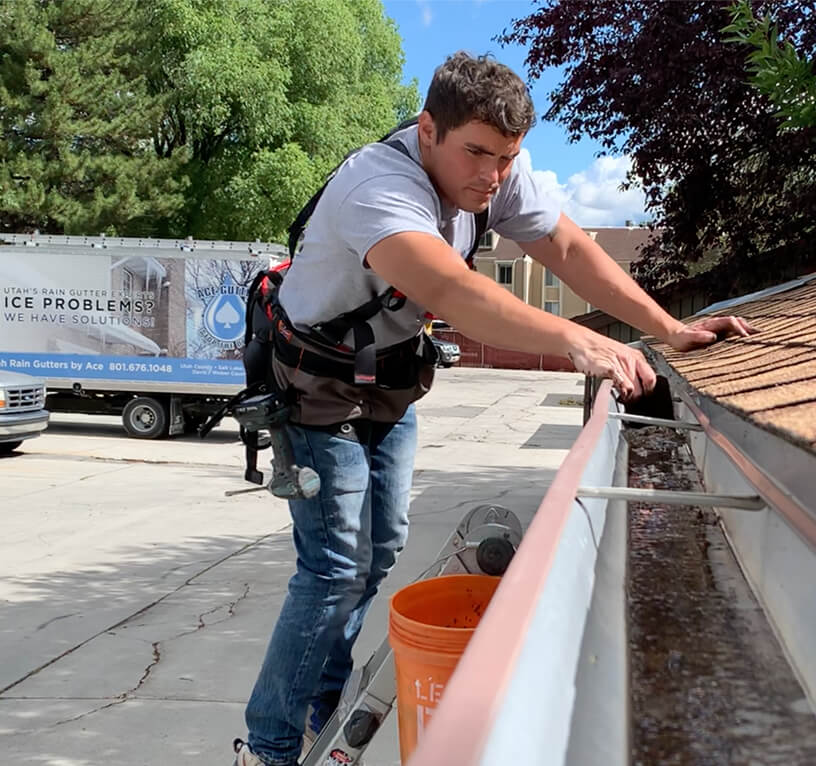
If you use a professional gutter cleaning service, they can usually spot early signs of trouble, such as loose fascia, uplifted shingles, clogged downspouts, or flashing that’s beginning to separate.
Catching these issues before winter storms or heavy spring runoff goes a long way toward protecting your home. In climates like Utah’s, where freeze-thaw cycles and sudden cloudbursts are a yearly occurrence, submitting for a quick inspection before and after storm season is a smart habit.
Keeping Water in Line
A gutter apron may be small, but it closes one of the most common weak spots on a roof: the gap where water slips behind the gutters. Whether your home is older, newly built, or somewhere in between, adding an apron is an easy way to protect your fascia, soffits, and siding from hidden moisture.
At Ace Gutter, we’ve spent more than 25 years working on Utah roofs, and we continue to see every type of roofline, fascia setup, and flashing mistake a home can have. Our teams make sure the entire roof-to-gutter connection for customers is sealed, aligned, and ready for real weather.
Get a professional inspection from a local team that knows Utah homes inside and out. Ace Gutter is here to protect your roofline the right way. Reach out now!
FAQs
What does a gutter apron do?
A gutter apron guides rainwater from the roof edge straight into the gutter. It blocks water from running behind the gutter system. This helps protect fascia boards from moisture exposure.
When is a gutter apron needed?
It is needed when water bypasses the gutter and runs behind it. This often happens due to roof edge design or incorrect gutter placement. It helps improve water direction in these cases.
Can a gutter apron fix roof leaks?
No, a gutter apron only controls water flow at the roof edge. It does not repair shingles or roof structure issues. Roof leaks still need roof repair work.
Is a gutter apron visible from the ground?
Most gutter aprons stay hidden under shingles and roof edges. They blend into the roofline and are not easily seen. Only close inspection may reveal them.
Does every home need a gutter apron?
No, some homes already have proper roof edge protection. It depends on how water exits the roof and enters the gutter. Installation is based on drainage behavior.

Need Help? Get a free assessment
Get a call back within 1 hour
(During business hours).
Recent Posts

Share
Recent Posts

When Is the Best Time to Install an Ice Melting System?
July 6, 2026
Winters along the Wasatch Front and throughout Utah are nothing short of spectacular, bringing world-class powder to our mountains and scenic snowscapes to...

What Homeowners Should Know Before Installing Copper Gutters
July 3, 2026
TL;DR: Copper gutters offer long lifespan, strong weather resistance, and a premium finish that develops a natural patina. Though installation costs are higher,...

What’s the Best Way to Prevent Pine Needles from Blocking Gutters?
June 26, 2026
If you have pine trees near your home, you should already be aware that leaves aren’t the only thing that can clog a...