May 7, 2025
Jud Smith
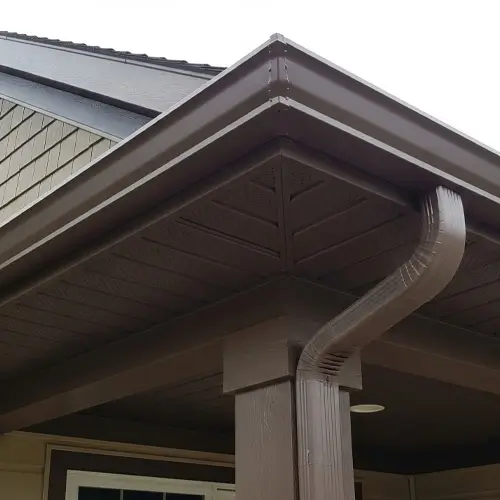
Your gutters are essential for channeling rainwater away from your home, preventing water damage, and protecting your foundation. But what happens when your gutter installation isn’t done right?
Incorrect gutter installation can lead to various issues, from structural damage to leaks and higher maintenance costs. Recognizing the signs of improper rain gutter installation early on can save you from expensive repairs.
At Ace Gutter Inc., we provide expert solutions for all repair, maintenance and new gutter installations in Utah. In this post.
We’ll walk you through some telltale signs that your gutters were installed incorrectly and how to address these problems before they worsen.
1. Water Overflowing from the Gutters
One of the most common signs of incorrect gutter installation is water spilling over the sides during a rainstorm. This often happens when the gutters are improperly sloped or clogged, preventing water from flowing freely to the downspouts. Overflowing water can cause damage to your siding, foundation, and landscaping.
What to Do:
- Check if your gutters are sloped properly. The ideal slope should be about 1/4 inch for every 10 feet of gutter. This ensures water flows toward the downspouts.
- Regularly clean gutters to prevent debris buildup.
- If the slope is incorrect, it’s best to hire a professional to adjust the angle of the gutters.
2. Gutters Sagging or Pulling Away from the House
If your gutters are sagging or pulling away from the fascia, this is a clear sign that your gutter installation lacks proper support. Over time, the weight of water and debris can cause gutters to sag or detach from the house, leading to water damage on your exterior.
What to Do:
- Inspect the brackets that secure your gutters to the house. If they’re loose or broken, you’ll need to replace or tighten them.
- If they’re sagging due to improper installation, a professional gutter installer may need to reinstall them with the correct support brackets.
3. Water Pooling Around the Foundation
With incorrect gutter installation, water can pool around the foundation, causing erosion or water seepage into your basement. This can lead to costly foundation repairs if left unchecked.
What to Do:
- Ensure that the downspouts are positioned properly to direct water at least 6 feet away from the foundation.
- Consider adding downspout extensions or splash blocks to ensure water drains away from the house.
4. Clogging Issues Due to Poor Design
Gutters that are installed with poor design features, such as too many seams, sharp bends, or no leaf guards, can clog easily.
Clogs prevent water from draining and can cause gutters to overflow or even pull away from the house.
What to Do:
- Install high-quality leaf guards to reduce the accumulation of leaves and debris.
- Regularly clean your gutters, especially during fall when leaves are more likely to clog them.
- If your gutters have sharp angles or seams that trap debris, consider upgrading to seamless gutters. Hire a seamless gutter installation contractor for the job.
5. Leaks or Holes in the Gutters
Leaks are another sign of poor rain gutter installation. These leaks often occur at the seams or joints, especially if the gutters were not properly sealed during installation.
Over time, leaks can damage your home’s exterior and lead to costly repairs.
What to Do:
- Inspect the gutters for visible holes, cracks, or rust. If you find small leaks, you can use caulk or gutter sealant as a temporary fix.
- For larger issues, it may be necessary to replace the damaged section of the gutter or the entire system if it’s severely compromised.
6. Ice Dams Forming in Winter
In colder climates like Utah, ice dams can form when rain gutter installations lack precision. This happens when water doesn’t drain properly and freezes at the edges of the roof, blocking the gutters and backing up under the shingles. Ice dams can cause roof damage and leaks.
What to Do:
- Install a roof ice melt system to prevent ice dams from forming.
- Keep gutters clean and free of debris to allow water to flow freely.
- Improve attic insulation and ventilation to reduce the chances of ice dams forming.
7. Inconsistent Gutter Placement
If your gutters were installed without considering the home’s roofline, the water may not be effectively channeled away from the house.
Improper placement can cause water to flow into areas that are not properly protected, leading to water damage on walls, siding, and the foundation.
What to Do:
- Install gutters correctly with proper placement to divert water away from the home.
- If you notice that water is spilling over in certain areas, it may be a sign that the gutter placement needs adjustment. Consider hiring a local gutter installer to reposition your gutters.
8. Gutters Have Poor Seals
If the joints between sections of your gutters aren’t sealed properly, water can leak through the seams, causing potential damage to your home. This often happens with sectional rain gutters that haven’t been correctly sealed during installation.
What to Do:
- Inspect the joints for any signs of leaks.
- Use silicone sealant or rubber gaskets to reseal the joints and prevent water from leaking out.
9. Excessive Maintenance Costs
If you’re constantly fixing your gutters or cleaning them more frequently than you should, it may be a sign that the gutters weren’t installed correctly to begin with. Incorrect gutter installation can lead to more frequent clogs, damage, or leaks, which translates into higher maintenance costs over time.
What to Do:
- Consider installing gutter guards to minimize debris accumulation and reduce cleaning time.
- If your gutters frequently need repair, it might be worth investing in a full replacement.
10. No Proper Downspouts or Insufficient Number of Downspouts
Sometimes, it’s not incorrect gutter installation but the downspouts. Without enough downspouts, your gutters may be overwhelmed during heavy rain, leading to overflow and water damage. Your system should have enough downspouts to handle the water volume from the roof.
What to Do:
- Ensure that your gutters are equipped with enough downspouts to handle the water flow.
- If necessary, install additional downspouts or reposition the existing ones to avoid water pooling near the foundation.
Final Thoughts
Gutters protect your home from water damage. If you notice any of the signs listed above, it’s time to take action before small problems turn into big, costly repairs.
Whether you need gutter repairs, a complete replacement, or help with maintenance, we can keep your home safe and dry. If you’re looking for a local gutter installer, call us today for an inspection.

Need Help? Get a free assessment and bid
Get a call back within 1 hour
(During business hours).
Recent Posts


Share
Recent Posts
How Contractors Can Add Revenue with Gutter and Exterior Services
February 11, 2026
Home projects rarely stop at one fix. A new roof usually means new gutters. Siding work often leads to fascia and soffit repairs....

What Are Gutter Guards Made of and How Do They Work?
February 3, 2026
If you’ve ever climbed a ladder to scoop soggy debris out of your gutter, you already understand why gutter guards exist. Cleaning a...

Why Choosing a Local Gutter Company Benefits Your Home
January 28, 2026
Utah homeowners rely on their gutter systems to handle everything from spring rainstorms to heavy winter snowmelt. When gutters are installed and maintained...