August 21, 2025
Jud Smith
Where and how you place rain gutter downspouts affects whether your place stays dry or ends up with water problems. Poor drainage can cause erosion, basement leaks, and expensive repairs in homes and business properties.
In fact, about 98% of basements will have water damage at some point, and in most cases, it’s because water isn’t draining well or the downspouts aren’t set up correctly. For Utah homeowners and business owners, getting rain gutter downspout installation right can save you from expensive repairs and a lot of headaches down the road.
In this blog, we’ll show you how to check your property’s drainage, choose the best spots for your rain gutter downspouts, add helpful extensions, and keep everything working reliably all year long.
Let’s get started:
Assessing Your Property’s Drainage Needs
Start by checking where water typically pools after it rains. Walk around your house and yard to see which areas collect the most water. Knowing these trouble spots makes it much easier to figure out the best places for your rain gutter downspouts installation.
Identifying Key Water Collection Areas
Watch where rainwater flows on your roof and yard during a storm. Pay extra attention to big roof sections, spots where two slopes meet, or any flat areas where puddles form. These places collect more water, so downspouts should go nearby to keep water moving instead of overflowing.
If you have a multi-level or unusually shaped roof, look out for places where water runs from an upper roof onto a lower one. Without good planning, this can overwhelm your rain gutter downspout or wash away soil near your home. Make notes of these high-flow spots when you check things out.
Considering Obstacles and Landscaping
As you plan rain gutter downspout installation locations, consider how your landscaping, walkways, patios, and driveways might affect water flow. Garden beds, trees, or decorations can change the way water moves and, if not planned for, might accidentally route water back toward your house.
Also, be sure to look for things like underground cables, window wells, or entryways that could be affected if a lot of water drains nearby. The aim is simple: guide water away from the parts of your property that don’t work well with moisture, so you avoid having to fix drainage problems later.
How to Install your Rain Gutter Downspouts
Installing your rain gutter downspouts in the right places takes a mix of smart planning and a good dose of common sense. The main goal is to move water as far from your house or building as you can to protect your foundation and your yard.
Distance from Foundations and Walkways
One of the most important rules is to keep downspouts from dumping water right next to the foundation. If water flows out too close, it can end up in your basement or crawlspace, causing mold, rot, or even damage to your structure over time. A good rule of thumb is to have your downspouts direct water at least 4 to 6 feet (1.2 to 1.8 meters) away from the building, and even farther if possible.
Try not to have downspouts empty straight onto walkways, driveways, or areas where people walk a lot. This helps prevent slippery spots, puddles, and erosion, making your property safer for everyone.
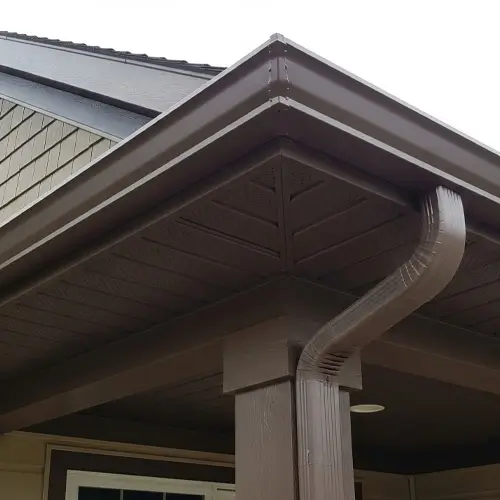
Placement Near Rain Gutter Downspout Elbows
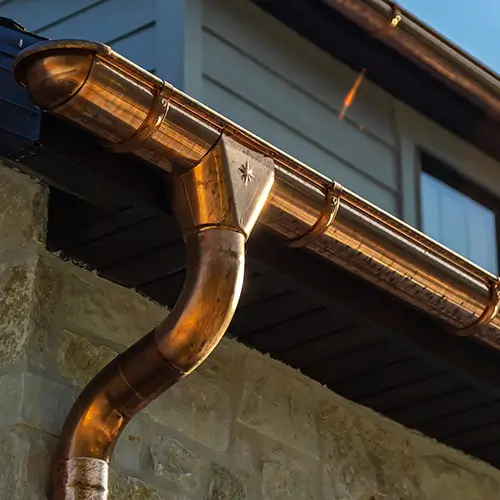
Elbows in your gutter system change the direction of the water flow. By putting these joints in the right places, you can guide water to safe spots in your yard, like past garden beds or down a gentle slope.
Always make sure each rain gutter downspout elbow has a clear, open path at the bottom. Avoid spots where water could collect at corners or run onto your neighbor’s property. Effective drainage keeps your property (and your neighbors) happy.
How to Improve Water Flow with Downspout Extensions and Accessories
Sometimes, the shape of your property or local weather means you need more than just downspouts to keep water moving in the right direction. Rain gutter downspout extension and accessories can help guide water even farther away and make your drainage work even better.
Using Rain Gutter Downspout Extenders
A downspout extender connects to the bottom of your drainage pipe and directs water farther from your house, sometimes around corners or over bumpy ground. These are handy if you need to move water downhill or past flowerbeds that don’t work well with extra moisture. Many rain gutter downspout extenders are flexible or can be made longer or shorter depending on what you need.
If you use an extender, make sure it doesn’t trip anyone or block your lawn mower. In tight spaces, choose a retractable or fold-up version so it’s out of the way when you need it.
Choosing a Rain Gutter Downspout Splash Block
A splash block is simple but works well. You can place it right under the rain gutter downspout so it spreads out the water and soaks up some of the force. This helps stop soil from washing away and keeps water from splashing back onto your walls or foundation.
Go for a sturdy splash block that won’t blow away in the wind; concrete, heavy plastic, or stone are all good choices. Just put the block so water flows away from your house, and you’ll help keep both your home and yard in good shape.
How to Adapt Downspouts for Better Water Control
The best rain gutter setups are flexible enough to manage whatever your property throws at them. That means using the right parts and tricks to get around obstacles, connect to underground pipes, or stop clogs in trouble spots.
Fitting Rain Gutter Downspout Adapters
Adapters let your downspouts connect to pipes of different sizes, angles, or even to storm drains. If you have an older gutter or want to send water to a rain barrel or underground collection system, adapters help you link everything together so water doesn’t leak out.
Make sure all adapters are tightly attached and sealed up; leaks at these connections are a common way water damage starts without you seeing it.
Benefits of Rain Gutter Downspout Diverters
A diverter lets you send the water coming out of your downspout in two directions, like sending some into a drain and some into a rain barrel for your garden. This gives you more control over where your rainwater ends up. If you want to save water, rain gutter downspout diverters are an easy way to make better use of what nature gives you.
Most diverters are easy to install and can be placed with basic tools.
Adding a Rain Gutter Downspout Filter
Filters keep leaves, sticks, and debris from clogging up your downspouts. There are mesh screens, small baskets, and in-line filter options to fit different systems.
Put your filter near the top of the downspout, just below where the gutter empties. Check and clean it out regularly, particularly after storms or in the fall if you have trees nearby. Taking care of the rain gutter downspout filter now can save you from clogs or water damage later.
Maintenance Tips to Keep Your Downspouts Working
Even well-placed downspouts need regular attention to keep doing their job. Checking and cleaning them helps you find problems early and keeps water moving away from your home in every season.
Cleaning Out Your Downspouts
Clear away leaves, nests, and any other debris from your gutters and the tops of your downspouts. If your downspouts get clogged, water will spill over your gutters, and all your hard work making your drainage system work can go to waste.
A quick way to make sure water can move freely is to run a hose through each rain gutter downspout. If water drains slowly, you might have a clog. Try a gutter cleaning tool to reach deeper blockages.
Making Sure Everything Is Attached
Wind, snow, or a settling house can loosen the brackets on your rain gutter downspouts over time. Take a good look now and then to check that all the straps, screws, and joints are still tight. If you notice any wobbling or leaks around the foundation, fix them.
To Sum Up
Installing your gutter downspouts in the right places can help both new and older buildings stay protected. Check your roof, plan around your yard, use the parts that work for your setup, and keep everything in good shape. Take a few minutes every so often to inspect your gutters and downspouts, and make small fixes as needed.
Want to make sure your downspouts are set up right? Call us at (801) 676-1048 or fill out our form and tell us about the issues you’re facing. Ace Gutter Inc. can help you choose the best downspout placement and keep your drainage system working at its best every season.

Need Help? Get a free assessment and bid
Get a call back within 1 hour
(During business hours).
Recent Posts


Share
Recent Posts
How Contractors Can Add Revenue with Gutter and Exterior Services
February 11, 2026
Home projects rarely stop at one fix. A new roof usually means new gutters. Siding work often leads to fascia and soffit repairs....

What Are Gutter Guards Made of and How Do They Work?
February 3, 2026
If you’ve ever climbed a ladder to scoop soggy debris out of your gutter, you already understand why gutter guards exist. Cleaning a...

Why Choosing a Local Gutter Company Benefits Your Home
January 28, 2026
Utah homeowners rely on their gutter systems to handle everything from spring rainstorms to heavy winter snowmelt. When gutters are installed and maintained...