November 29, 2025
Jud Smith
Rain has a way of showing every weak spot in your home. And here in Utah, the weather can go from bright sun to heavy snow or sudden downpour in just a few hours. You need a solid gutter system if you want to keep water away from your siding, foundation, and landscaping.
Not just in Utah, homeowners across the country are making smart choices when it comes to rain gutters. It’s no wonder the US gutter and downspout market, worth $5.7 billion in 2024, is expected to reach $8.9 billion by 2033.
Typically, copper and galvanized gutters are the two options you will need to decide between. Both do the job, but they handle cost, maintenance, and lifespan very differently. Knowing how each performs makes it easier to pick the right fit for your home.
What Makes Copper Gutters Stand Out
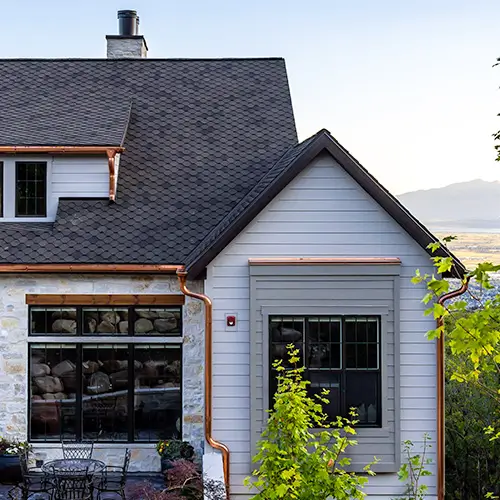
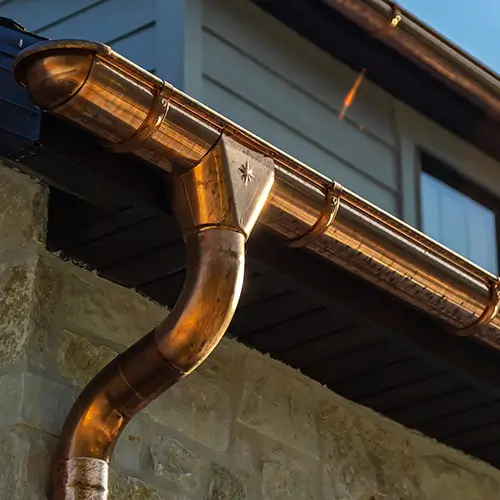
Copper gutters bring strength and beauty in a single structure. Each piece develops a natural, protective patina that boosts the appearance while resisting corrosion. The warm tone of fresh copper evolves into a weathered green over time, lending homes a classic look that complements various architectural styles.
A properly installed copper gutter system can last over 50 years. The material does not rust or fade, and its joints are soldered instead of sealed with adhesive. This creates a watertight bond that resists separation under temperature changes.
However, you should hire a professional for copper gutter installation since it requires precision and expertise. They cut each section to match your roof’s dimensions, slope, and drainage requirements. Once installed, copper gutters need little maintenance beyond seasonal cleaning.
What Are the Strengths of Galvanized Gutters
Galvanized gutters are made from steel coated with zinc. The coating protects the steel from moisture and rust. This makes them a more affordable option for those who want strength without the premium cost of copper.
These rain gutters are also one of the best for protection against rain and snow since the zinc layer provides corrosion resistance. However, it can wear off after several years, leading to rust if not maintained. You will need to invest in regular painting or sealing to extend the lifespan of galvanized gutters.
Likewise, it’s best to hire a professional to install galvanized gutters. Professionally installed gutters typically last 20 to 30 years in good conditions. They are available in different shapes and sizes, and they suit many residential and commercial applications. For properties that face frequent hail or ice, galvanized steel offers reliable strength, though it might require more upkeep compared to copper.
Comparing Copper Vs Galvanized Gutters
| Property | Copper Gutters | Galvanized Gutters |
| Durability | Excellent: resists corrosion, temperature changes, and UV exposure | Moderate: Zinc layer protects until it wears off, then corrosion begins |
| Average Lifespan | 50-100 years with minimal maintenance | 20-30 years with periodic repainting |
| Maintenance Level | Minimal: debris removal twice yearly, no repainting required | Higher: Cleaning plus recoating every 3-5 years to maintain the zinc layer |
| Resistance to Rust | Naturally rust-free due to patina formation | Rust-resistant only while the zinc coating remains intact |
| Performance in Utah’s Climate | Performs strongly in snow, rain, and freeze-thaw conditions | Performs well if maintained; coating may break down with salt and snow |
| Weight | Heavier Metal: Requires professional installation | Lighter Material: easier to handle but less stable over the decades |
| Cost Range (installed) | Approx. $25- $35 per linear foot (higher upfront, lower lifetime cost) | Approx. $6-$12 per linear foot (lower upfront, higher long-term upkeep |
| Environmental Impact | Fully recyclable, long life reduces waste | Steel is recyclable, but frequent replacement increases material waste |
| Aesthetic Value | Adds distinctive, upscale appeal and increases property value | Functional, simple design suited for utility buildings or rentals |
| Joint Type | Seamless soldered joints for watertight integrity | Snap-fit or sealed joints may loosen over time |
| Noise Control | Dampens rain noise naturally | More prone to metal vibration and sound during heavy rain |
| Overall Value | High long-term return on investment | Cost-effective short-term option |
Lifespan and Durability
Copper gutters often exceed 50 years of service, while galvanized gutters usually last about half as long. The zinc coating on steel can erode in humid or salty air, leading to corrosion. Copper forms its own protective layer called patina, which improves durability over time.
In Utah’s mix of snow, heat, and dry air, copper’s oxidation process creates a long-term advantage. It withstands temperature swings without cracking or warping. A local trend cited by IBISWorld?2025 shows Western homeowners increasingly opting for longer?lasting copper systems, especially on higher?value properties and mountain residences.
Maintenance Needs
Maintenance depends on the type of metal. Copper gutters do not need paint or coatings. A biannual cleaning to clear leaves and debris is usually enough.
Galvanized gutters need periodic inspection for scratches or peeled coatings. Once exposed, steel starts rusting. Repainting or applying a sealant helps prevent this.
A well-maintained galvanized system can still deliver solid performance, but copper offers lower long-term cost.
Appearance and Style
The beauty of copper gutters lies in their color, which changes over time. A bright metallic shine turns into shades of brown and green, adding character to both modern and traditional homes.
Galvanized gutters keep a silver-gray finish but can dull with exposure. They serve a practical purpose but may not add the same visual appeal as copper. If you value design and curb appeal, copper creates a signature look that increases property value.
Cost and Value
Initial cost is the biggest difference in copper vs galvanized gutters. Copper costs more upfront for material and installation, while galvanized gutters remain a budget-friendly choice.
However, copper’s long lifespan and low maintenance helps save money in the long run. That also means it’s replacement frequency is lower, and resale value is higher. Over decades, copper gutters usually deliver better value than galvanized options.
Installation Considerations
Professional installation is recommended for both. Copper gutter installation involves custom-fitting each length to your roofline. Installers solder joints for leak-free seams. Every detail, from slope to bracket spacing, impacts performance.
When professionals install galvanized gutters, they usually fasten pieces with screws or rivets. The joints are sealed, not soldered. These seals can weaken with time and temperature cycles.
Environmental and Long-term Impact
Both gutter types can be recycled, but copper gutters lead in sustainability. Copper retains its strength after recycling, which reduces waste. The long lifespan means fewer replacements and less material consumption over decades.
Galvanized gutters also offer recyclability, but their shorter service life makes them less efficient in long-term environmental impact. Regular repainting or coating adds chemical processes that copper systems do not require.
For homeowners who value eco-conscious building materials, copper’s longevity supports a more sustainable choice.
Which Option Fits Your Home Best
Choosing between copper vs galvanized gutters depends on your budget, style preference, and maintenance expectations.
Select copper gutters if you plan to stay in your home long-term and prefer minimal upkeep with a premium curb appeal. They suit heritage homes, mountain properties, and areas exposed to extreme weather.
Ready to Choose a Gutter That Goes the Distance?
Copper and galvanized gutters both protect your home, but their long-term value differs. Copper costs more upfront, yet it lasts longer, needs less upkeep, and adds character over time. Galvanized options save initially but may require more maintenance and earlier replacement.
Still weighing your options? Ace Gutter Inc. is here to help you choose what truly fits your home and plans. Reach out for honest advice and a no-pressure consultation.
FAQs
- How long do copper gutters last compared to galvanized gutters?
Copper gutters can last 50 to 100 years with minimal upkeep. Galvanized gutters usually last 20 to 30 years before the zinc coating wears off.
- Are copper gutters worth the higher cost?
Though expensive upfront, they outlast other materials and require less maintenance. Over time, copper gutters save money through fewer repairs and replacements.
- Can I install galvanized gutters myself?
DIY installation is possible for simple rooflines, but professional service gives better alignment, sealing, and drainage. Hiring experts also provides long-term reliability.
- Do copper gutters need painting?
No, copper naturally develops a patina that protects it from corrosion. Painting is unnecessary and may harm the surface.
- Which gutter type is best for Utah weather?
We recommend copper rain gutter installations for most homeowners in Utah because these perform best under wide temperature swings and heavy snow. They resist cracking, rust, and deterioration better than galvanized steel.

Need Help? Get a free assessment and bid
Get a call back within 1 hour
(During business hours).
Recent Posts


Share
Recent Posts
How Contractors Can Add Revenue with Gutter and Exterior Services
February 11, 2026
Home projects rarely stop at one fix. A new roof usually means new gutters. Siding work often leads to fascia and soffit repairs....

What Are Gutter Guards Made of and How Do They Work?
February 3, 2026
If you’ve ever climbed a ladder to scoop soggy debris out of your gutter, you already understand why gutter guards exist. Cleaning a...

Why Choosing a Local Gutter Company Benefits Your Home
January 28, 2026
Utah homeowners rely on their gutter systems to handle everything from spring rainstorms to heavy winter snowmelt. When gutters are installed and maintained...