November 5, 2024
Jud Smith
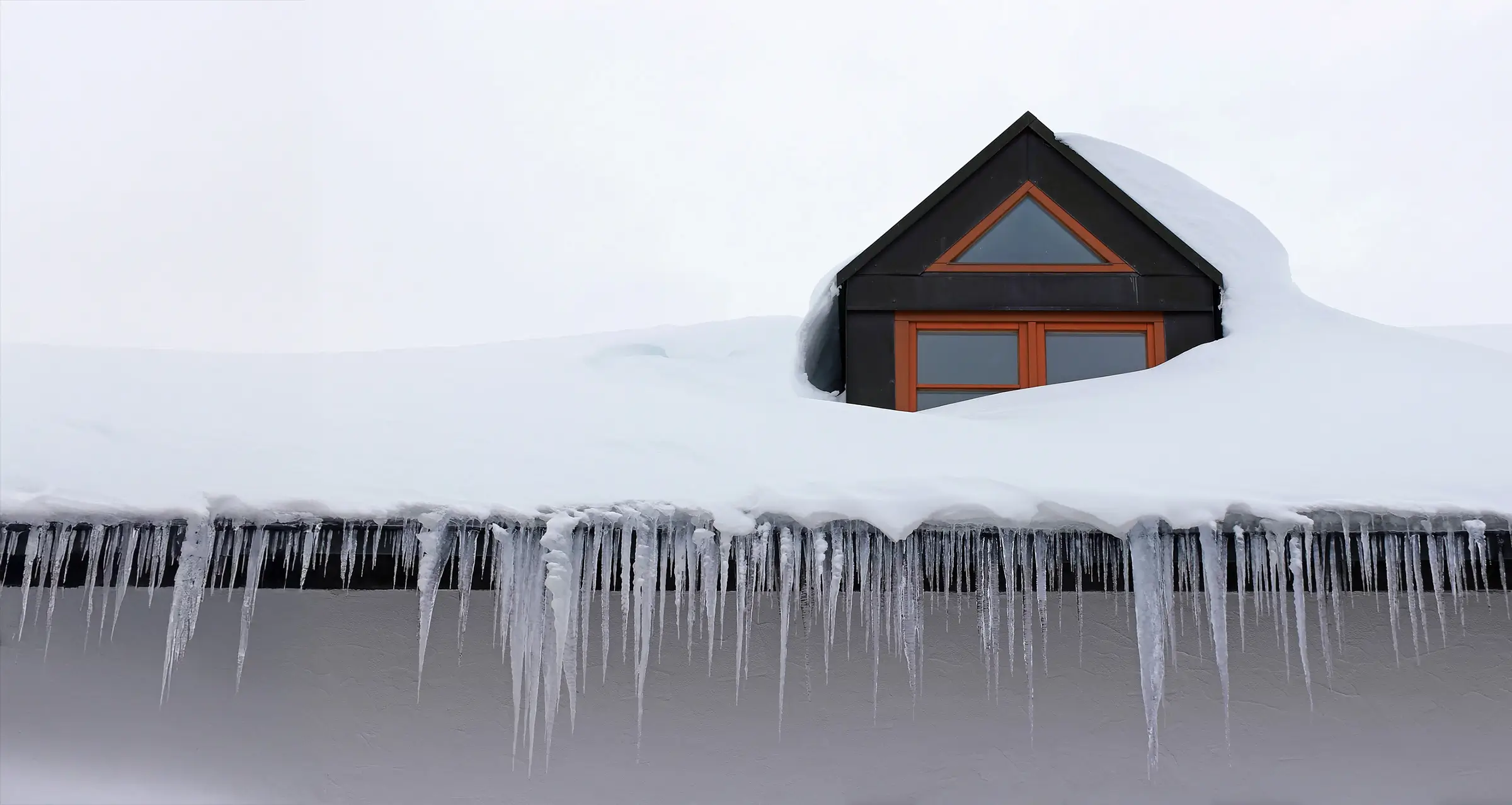
We’ve always been strong advocates for roof heat cable installations. They’re one of the most effective ways to protect homes from the dangers of ice damming.
However, some people worry that installing heat cables will spike their energy bills considerably.
While ice melt systems in Utah do run on electricity, the amount they consume is actually quite manageable. With proper planning—like choosing the right power level, limiting their usage to when it’s needed, and adding insulation—you can lower your energy consumption and even improve efficiency.
Let’s dive into the correct ways to use heat cables and keep your energy bills in check.
How Do Heat Cables Work?
The basic idea behind heat cables is simple: they warm up when electricity flows through them. Typically installed on pipes, gutters, and along the roofline, heat cables prevent freezing by keeping temperatures above a certain threshold. You can simply plug them in during the colder months and unplug them when they’re no longer needed.
Some heat cable installations come with built-in thermostats that automatically kick on when temperatures drop below freezing. These ‘smart’ cables are a great way to save energy because they only run when they need to, instead of staying on all the time.
Can Heat Cables Lower Energy Costs?
At first, you might assume that using heat cables would drive up your energy bills beyond belief. But when used correctly, they can help you save on energy costs over time.
Here’s how.
- Focused Heating: Unlike your central heating system that warms the entire house (even areas that don’t need it), heat cable installations in Utah deliver targeted heating. They work on the specific areas that are most at risk of freezing, so you’re only paying to heat what’s necessary.
- Reducing Heat Loss: Ice dams can damage your home’s insulation and force your heating system to work overtime. Heat cables prevent ice damming and maintain your home’s internal temperatures. With less heat escaping, you’ll save yourself the burden of high energy bills during the colder months.
Tips for Using Heat Cables Efficiently
Although heat cables are a fantastic solution for preventing ice buildup, they can also raise your energy consumption if not used properly. To help you get the most out of your heat cables and keep your energy costs in check, here’s what we recommend.
1. Install Them Only Where You Need Them
Not every pipe or roof needs heat cables. Be strategic about where you install them. Focus on the areas most likely to freeze, like:
- Pipes in uninsulated spots (basements, attics, crawl spaces)
- Roof edges where ice dams tend to form
- Driveways and walkways that get icy
2. Go For Cables with Built-In Thermostats
As mentioned, heat cables with built-in thermostats automatically turn on when the temperature drops below freezing and turn off when it warms up. This way, you’re not wasting any more energy than you absolutely need to, which is sure to reflect in your bills.
3. Turn Them Off When You Don’t Need Them
Heat cable installations aren’t meant to run 24/7 all winter long. They should only be used when the temperature is freezing or when there’s noticeable ice buildup. Turning them off during warmer days will save you a ton of energy. Consider setting them on a timer to make things easier for yourself.
4. Do Regular Checkups and Maintenance
Like any other piece of equipment, heat cables need some TLC. Make sure to inspect them regularly for wear and tear. If they’re damaged, they won’t run as efficiently and could use more energy than needed. Checking them before the winter season hits is a good way to avoid unnecessary energy drain.
5. Pair Them with Proper Insulation
It’s important to remember that heat cables are not a replacement for proper insulation. If you insulate your pipes and roof well, you’ll reduce heat loss and won’t have to rely on the cables as much. It’s a one-two punch: good insulation does most of the work, and heat cables step in when there’s significant ice and snow.
How Much Do Heat Cables Cost to Run?
The cost of running heat cables depends on factors like the length of the cable, its wattage, and how frequently you use it. For example, a 100-foot heat cable with a wattage of about 5 watts per foot uses around 500 watts of power per hour.
On average, the cost to run roof heating cables ranges from $40 to $200 per month, depending on local electricity rates. While self-regulating cables might have a higher upfront cost, they can save energy in the long run by adjusting their heat output based on the surrounding temperature.
Why Get Your Heat Tape Professionally Installed
Far too often, we see homeowners complaining about skyrocketing energy bills, only to find out the culprit is improperly installed heat cables. And while we’re all for DIY projects, some things- like heat cable installation- are better left to the pros.
A professional heat cable installer in Utah will:
- Install the right amount of tape in the right areas.
- Recommend thermostats and timers to prevent the cables from running round the clock.
- Use the right materials, along with any insulation or sealing.
- Provide support if anything goes wrong later.
Don’t let the cost of professional heat tape installation deter you. A little investment upfront will save you from higher energy bills and costly repairs in the future.
The Bottom Line
So, to answer the question—can heat cables lower energy bills?
Yes, they can, but it requires some careful planning. You’ll need to be mindful of how and when you use them. With a bit of strategy, you can keep energy consumption low while still protecting your home from winter’s worst.
Thinking about installing roof heating cables? At Ace Gutter Inc., we’re here to help you choose the best option based on your home’s power capacity and the amount of ice you need to manage. We put your needs first, so you can trust that our recommendations are always 100% transparent. Contact us today!

Need Help? Get a free assessment and bid
Get a call back within 1 hour
(During business hours).
Recent Posts
Share
Recent Posts

What Is a Gutter Apron and Should You Have One Installed?
January 17, 2026
Most homeowners assume their gutters are doing all the work at the roofline, but water has a way of finding the one spot...
What Are the Dangers of Gutter Icicles and How to Prevent Them
December 31, 2025
Utah is a paradise for anyone who loves winter weather. Once the season begins, the snow turns the whole region into a clean,...
Why Improper Gutter End Cap Sealing Is an Overlooked Problem in Utah
December 19, 2025
Most homeowners in Utah expect their gutters to struggle with obvious problems like ice dams, snow, or spring runoff. However, some of the...