July 16, 2025
Jud Smith
TL;DR
Undersized gutters overflow during storms, causing foundation erosion, siding stains, and frequent clogging. Matching gutter and downspout size to roof area and local rainfall prevents costly water damage.
Choosing the right rain gutter size protects your building from water damage. When you know how gutter sizing works, you can install an option that prevents leaks, overflow, and costly repairs.
For example, a standard 5-inch K-style gutter can manage runoff from about 5,520 square feet of roof. Bumping up to a 6-inch gutter boosts that capacity to roughly 7,960 square feet. That extra inch can save you a whole lot of trouble when the rain comes down.
Whether you run a small business, a single-family home, or multiple rental properties, knowing the optimum rain gutter size is a proactive measure of your property’s value and security. Ace Gutters Inc. can help you choose, install, and maintain the gutters that match your building and local weather.
Let’s take a look at what gutter sizing means, why it’s important, and how to detect problems before they become major ones.
What Happens With Small Rain Gutters
Choosing smaller gutters may save money, but gutters that are too narrow create bigger headaches. They can cause water damage, foundation cracks, and repairs that end up costing far more than the initial savings.
Overflow and Foundation Issues
If gutters fill up faster than they drain, water pours right next to your foundation. This causes soil erosion, puddles, and cracks or shifts in the foundation of your home or office property.
In colder climates, puddles can freeze, turning walkways into slipping hazards and putting extra stress on exterior walls. If you have landscaping close to your building, extra water can even leak inside through basement walls or windows.
Increased Maintenance Needs
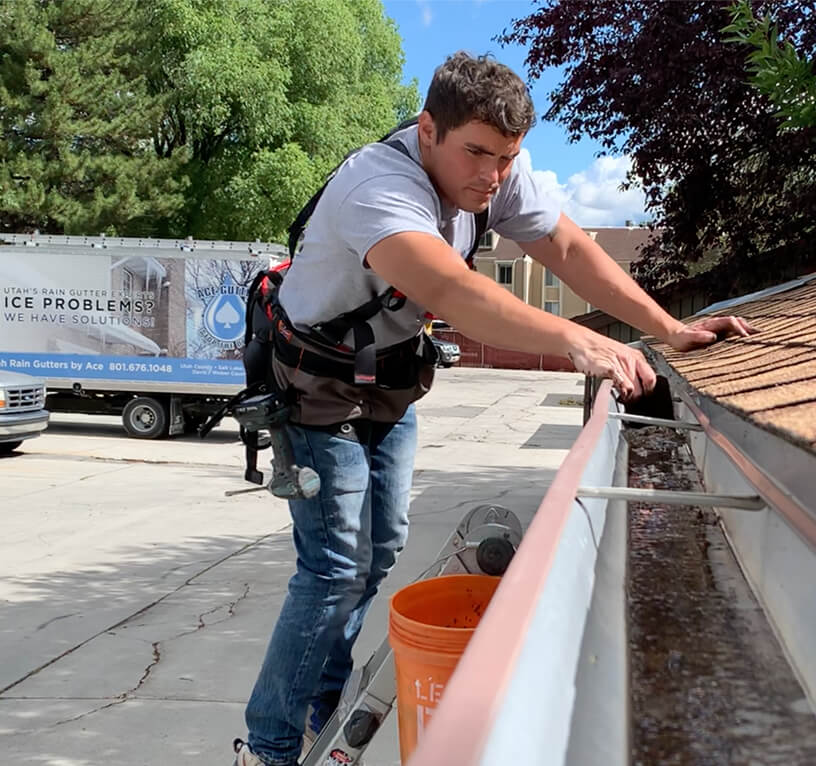
Small rain gutters clog faster, leaving less room for leaves, twigs, and shingle grit. You’ll end up cleaning your gutters or paying for extra maintenance. And even with regular cleaning, small gutters can still clog up and overflow during big storms, sometimes causing leaks or water damage in the house.
Signs Your Gutters Are Too Small
Most people don’t realize their house rain gutter size is too small until they notice visible problems. Catching these issues early means you can upgrade your gutters before you end up with water damage or repairs that cost a fortune.
Persistent Overflow During Storms
Do you see water spilling over the gutter edge during heavy rain or when the snow melts? If your gutters are clean but still can’t keep up, they’re probably a small rain gutter system that’s too narrow for your roof.
Keep an eye out for regular overflow during storms, it typically means your gutters are small for the job.
Water Stains or Erosion Near Foundation
Look for streaks or mold on your siding, and check the ground for washed-out soil, puddles, or patches of moss after a storm. These are all signs that water is collecting around your foundation, something undersized gutters can cause.
Catch these clues early to prevent serious foundation cracks or leaks inside and consider upgrading to the optimum rain gutter size for your property.
Comparing Gutter Sizes and Materials
Installing the right gutters is about more than just looks. You want something that matches your climate and lasts, so it’s worth looking at all the rain gutter sizes and material options available.
How to Measure Rain Gutter Size
Start by measuring each section of your roof, multiply the length by the width to get the area in square feet, then add them up. Next, look up how hard it rains in your area. If you get frequent heavy downpours, you’ll probably need a larger size.
Online calculators can help, or call a local gutter professional, they can take precise measurements and tell you the exact size that works best for your home and climate.
PVC Rain Gutter Sizes Explained
PVC gutters are a popular, lightweight choice and typically come in sizes like 100mm, 112mm, or 125mm (about 4 to 5 inches). These work fine for moderate rain, but if you live somewhere with heavy downpours, metal gutters or bigger sizes might be better.
When choosing PVC rain gutter sizes, make sure the dimensions match the amount of water your area gets.
Rain Gutter Pipe Size Options
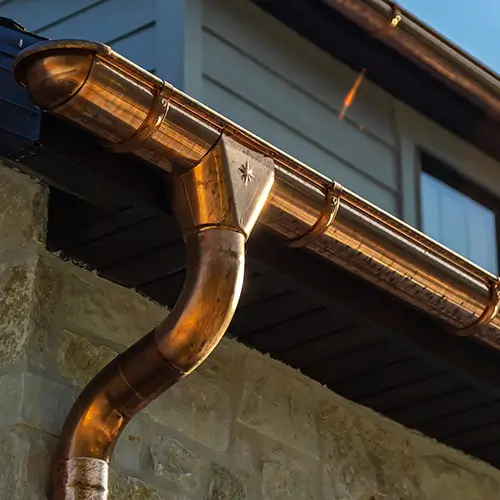
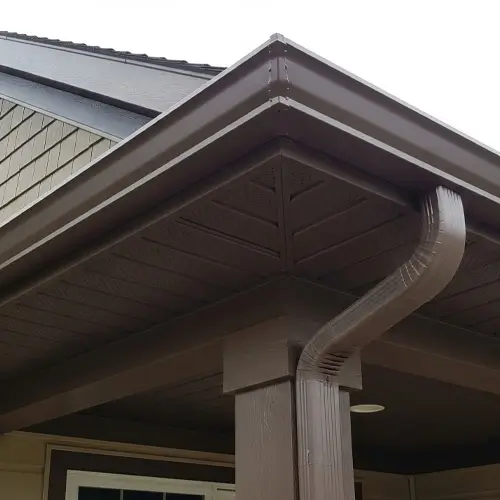
Downspouts need to be big enough to quickly move water from the gutter to the ground. If the rain gutter pipe size is too small, water can back up, overflow, or send debris straight back into your gutters. Matching the downspout size to your gutter helps keep things flowing smoothly, even in a big storm.
Choosing Optimum Size for Local Weather
Your local weather is a huge factor. Areas with heavy, fast rain or quick snow melts typically need wider gutters that are 6 inches or more. If you’re in a dry place with the occasional shower, standard 4- or 5-inch gutters will probably do the job. The optimum rain gutter size depends on how much rain (or melting snow) you get each year.
Solutions for Upgrading Your Gutters
If you think your current gutters may be undersized, don’t wait until the next big rainstorm to find out. Upgrading now can protect your home from leaks, foundation problems, and expensive repairs down the line.
Upgrading to Larger House Rain Gutter Sizes
First, figure out how much water typically runs off your roof, local rainfall charts and online calculators can help, or you can ask a professional. In most cases, swapping a small rain gutter for 4-inch gutter for a 5- or 6-inch model, and adding a larger downspout, will easily manage more runoff and keep water flowing away from your home.
Add Leaf Guards and Ice Melt Systems
Install leaf guards to stop leaves and twigs from clogging your gutters. This means less time cleaning and fewer overflow worries. If you live where it freezes, an ice melt system can prevent blockages and ice dams, both of which are more likely with small gutters. With these upgrades, your gutters will work smoothly through every season.
The Bottom Line
The right rain gutter size keeps your property protected from leaks, costly repairs, and foundation trouble. When your gutters fit your building and climate, you can relax knowing your home and everyone in it is safe.
Good decisions about gutter sizing come down to understanding your climate, roof, and building needs, details that demand and reward close attention.
Not sure where to start? Contact us at Ace Gutters Inc. and we can help you find the best rain gutter size and long-term a solution for your property
FAQs
What size roof can a standard 5-inch gutter handle?
A 5-inch K-style gutter can typically manage runoff from about 5,520 square feet of roof, while a 6-inch gutter handles roughly 7,960 square feet.
What are the signs that my gutters are too small?
Persistent overflow during storms, even when clean, water stains or eroded soil near the foundation, and frequent clogging despite regular cleaning all point to undersized gutters.
How do I find the right gutter size for my home?
Measure each roof section’s length and width to calculate total square footage, then factor in local rainfall intensity. Online calculators or a gutter professional can confirm the right fit.
Can undersized downspouts cause problems even with the right gutter size?
Yes, if the downspout is too small, water backs up and overflows even when the gutter trough itself is properly sized, so both need to match.
What upgrades help besides increasing gutter size?
Leaf guards reduce clogging from debris, and ice melt systems help prevent blockages and ice dams in colder climates, both of which are more common with undersized gutters.

Need Help? Get a free assessment
Get a call back within 1 hour
(During business hours).
Recent Posts

6 Factors That Can Shorten the Lifespan of Your Gutters

What to Know Before Installing Leaf Guards on Your Existing Gutter System?

How to Fix Standing Water in Gutters and Prevent Future Damage

What Type of Gutter System Works Best With a Metal Roof?

How to Know When Your Chimney Cap Needs Replacement
Share
Recent Posts
6 Factors That Can Shorten the Lifespan of Your Gutters
September 24, 2026
TL;DR: Weather, clogs, poor maintenance, installation issues, material quality and physical damage can shorten gutter lifespan. Regular upkeep and timely repairs can help...
What to Know Before Installing Leaf Guards on Your Existing Gutter System?
September 16, 2026
TL;DR: Leaf guards can usually be installed on existing gutters if the system is secure, properly sloped, and draining correctly. The right guard...
How to Fix Standing Water in Gutters and Prevent Future Damage
September 8, 2026
TL;DR: Standing water in gutters is usually caused by debris buildup, poor gutter slope, blocked downspouts, or damaged sections that prevent water from...